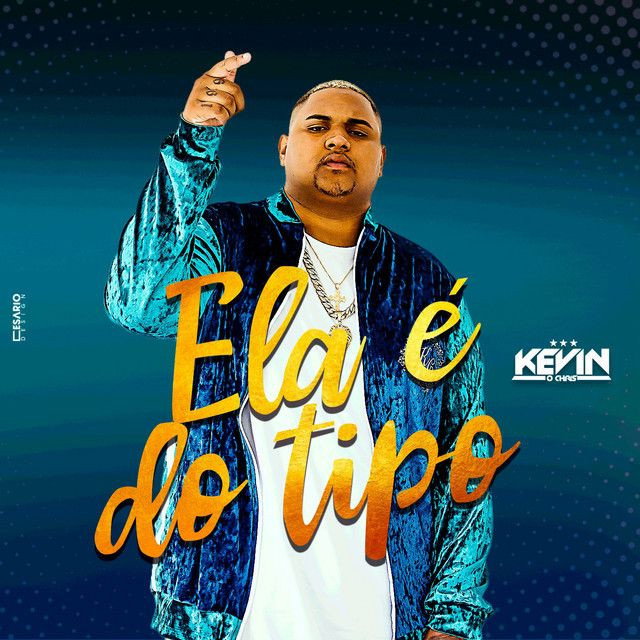
What "Ela É do Tipo" Is Really Saying
The meaning of Ela É do Tipo MC Kevin o Chris starts with its surface message: this is a bold, sexually charged funk song about instant attraction, physical chemistry, and dance as a form of power. But like many Brazilian funk tracks, it also works as a performance of confidence. The speaker is not just describing desire. They are staging it in a way that feels public, rhythmic, and tied to the energy of the party.
"Ela É do Tipo" - MC Kevin o Chris
Ê, ê, ê, ê
Ê, ê, ê, ê
Loading lyrics...
Unable to load lyrics
We're unable to display the lyrics at this time. Please try again later.
MC Kevin o Chris built a career on charismatic hooks and dance-floor command, becoming one of the recognizable names in Brazilian funk before his death in 2021, as widely reported by outlets such as BBC News. That background matters here. The song is less a private confession than a persona piece, where flirtation, sex, and swagger blend into one voice.
A Fast, Blunt Story of Desire
At the most basic level, the song describes a woman the narrator finds exciting because she moves quickly from conversation to action. Early lines frame her as someone who likes to talk, but the point is not emotional bonding. The lyric undercuts that idea almost right away with gosta muito de conversar
and then não fica de papapa
, suggesting that small talk is only a brief step before physical intimacy.
That tension is the song’s first joke. It pretends to open with personality, then snaps back to the body. In that sense, the track uses flirtation as a setup for a more direct fantasy. The woman is presented as confident, willing, and highly sexualized, while the narrator reacts with admiration and appetite.
Watch the official Ela É do Tipo
music video
Who Holds the Power Here?
One reason the song has some interpretive interest is that the woman is not written as passive. Even in a heavily male-centered perspective, she is shown taking initiative. The lines about her undressing and removing his clothes portray her as active in the scene, not just an object being watched.
Interpretation: That does not make the song equal or tender, but it does shift its energy. The woman is framed through the narrator’s desire, yet she also appears self-directed. When the lyric says ela tira a minha roupa
, it briefly gives her control over the encounter.
Still, the song’s overall language keeps returning to male bragging. The speaker celebrates her appeal partly because she satisfies him and leaves him wanting more. The result is a classic funk tension: female sexual agency is present, but it is filtered through a masculine voice that turns desire into status.
Why the Chorus Matters So Much
The hook is built around dance commands, especially rebola pro pai
and descendo, descendo
. These phrases are simple, but they do most of the song’s heavy lifting. They turn the woman from an individual in a scene into a moving figure on a dance floor, where rhythm and body language become the whole message.
This is important to the meaning of Ela É do Tipo MC Kevin o Chris because the chorus removes detail and replaces it with repetition. In other words, the song does not deepen emotionally as it goes. It intensifies physically. The repeated descent in the hook mirrors the circular logic of many club songs: one command, one motion, one beat, repeated until it becomes hypnotic.
Interpretation: The chorus is less about literal instruction than about ritual. In funk, repeated calls often create collective energy, almost like a chant. Here, that repetition turns desire into spectacle.
The Mother Line Adds a Social Twist
The most surprising verse is the one about the woman’s mother. The lyric suggests that the mother tried to control her daughter too much and ended up powerless, using the image controle sem pilha
. It is a funny line, but it also introduces a small social idea into a mostly erotic track.
The message is blunt: excessive control leads to rebellion. The narrator implies that the woman’s present freedom is partly a reaction against strict parenting. That does not become a full story, but it gives the song one more layer. They are not only praising sexual boldness; they are also framing it as a kind of release from restriction.
How the Sound Carries the Message
Even without detailed official production credits readily confirmed here, the song clearly fits the fast, percussive world of Brazilian funk, especially the stripped, repetitive style associated with baile tracks and viral dance records. MC Kevin o Chris was widely associated with that scene in coverage from sources like Rolling Stone Brasil and major Brazilian music platforms.
Musically, the beat likely does three things that support the lyrics:
- It keeps the groove tight and repetitive.
- It leaves space for chants and commands.
- It pushes the body forward more than the mind inward.
That matters because the song’s meaning lives in movement. The beat does not ask listeners to reflect for long. It asks them to react. The minimal, looping structure turns the lyrics into cues for dancing, which is exactly how the track builds its identity.
A Persona More Than a Confession
It would be a mistake to read the song as diary-like honesty. MC Kevin o Chris often worked in a style where humor, exaggeration, and bravado were part of the performance. Songs like this are designed to feel larger than life.
Interpretation: That means the narrator should be heard as a character voice as much as a real person. Their boasts, commands, and sexual confidence are part of funk’s theatrical language. The goal is not vulnerability. The goal is impact.
The Takeaway Behind the Beat
So, what is the meaning of Ela É do Tipo MC Kevin o Chris? At heart, it is a song about attraction turned into performance. It celebrates sexual confidence, fast chemistry, and the way dance can act as both flirtation and display.
Its deeper layer is small but noticeable: freedom is more exciting in the song’s world when it feels rebellious, public, and impossible to control. That is why the track keeps moving away from conversation and toward motion, repetition, and command.
Disclaimer: This interpretation is based on the lyrics, performance style, and cultural context available. As with any song, listeners may hear different meanings in the same lines.







