Why "Police Truck" Hits Harder With Megadeth
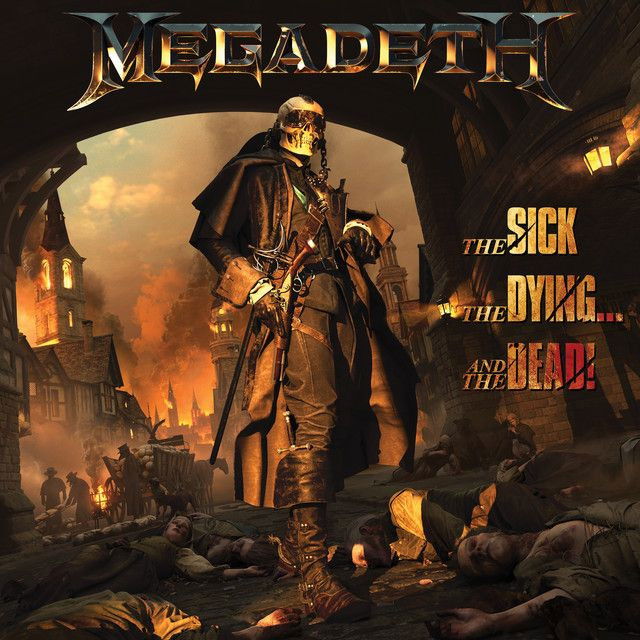
The meaning of Police Truck Megadeth starts with an important fact: this is a cover of the Dead Kennedys song first released in 1980, later revisited by Megadeth on The Sick, the Dying... and the Dead! in 2022. The original is widely understood as a satirical attack on police brutality and corruption, not an endorsement of it.
"Police Truck" - Megadeth
We're going downtown, gonna beat up drunks
Your turn to drive, I'll bring the beer
Loading lyrics...
Unable to load lyrics
We're unable to display the lyrics at this time. Please try again later.
Megadeth's version matters because they bring a thrash metal edge to a song that was already ugly on purpose. That makes the violence feel even more blunt, but the core message stays the same: power can become cruel when the people using it know they will not be punished.
The Real Target Is Power Without Consequence
At the story level, the song follows a gang of officers cruising the city at night, looking for vulnerable people to abuse. The lyrics present that behavior in a bragging voice, which is exactly what makes the song feel sickening.
Interpretation: The song works by forcing listeners inside the minds of corrupt cops. Instead of giving a moral speech, it lets the speakers expose themselves. When they talk about got the truck
and going downtown
, the patrol vehicle becomes a symbol of state power used like a toy.
That is why the song remains disturbing. The officers do not sound conflicted. They sound entertained. The casual tone suggests that violence has become routine, even social.
Watch the official Police Truck
music video
Why the First-Person Voice Feels So Nasty
One of the smartest things about the writing is the use of a group narrator. They keep saying how we ride
, turning the chorus into a chant of belonging.
That detail matters because the song is not just about one bad officer. It is about a pack mentality. These speakers act as if the badge, the truck, and the uniform protect them from consequences.
Cruelty Becomes Teamwork
The song's darkest idea is that abuse is not hidden. It is shared. The speakers egg each other on, and the repeated motion of riding through town makes the violence feel organized.
Interpretation: The chorus sounds almost playful by design. That contrast is the point. A catchy hook wrapped around awful behavior shows how institutions can normalize things that should be shocking.
A Satire, Not a Confession
Because the language is graphic, some listeners may wonder whether the song is simply trying to provoke. But the context around the original Dead Kennedys track points strongly toward satire. Reference summaries describe it as a first-person critique of police corruption, reportedly inspired by an Oakland incident and broadened into a larger attack on abuse of authority.
Megadeth do not rewrite that meaning. They inherit it. Dave Mustaine has long been noted as a Dead Kennedys fan, and reports around the album describe "Police Truck" as the song he chose to cover after years of interest in the band's material.
That background helps explain why Megadeth keep the sneer intact. They are not softening the song. They are preserving its accusation.
How the Hook and Images Build the Message
Several small images carry the song's meaning. The black uniform
and silver badge
are not presented as honorable objects. They are props in a performance of official power.
Then the song widens its aim. A later line about givin' tickets
shows the cover story. Publicly, the officers pretend they are doing routine work. Privately, they are committing abuse.
That split between public image and private action is central to the meaning of Police Truck Megadeth. The song is attacking hypocrisy as much as violence.
Ride, ride, how we ride
Let's ride, low ride
In context, that chant sounds less like freedom and more like a ritual. They keep moving so they never have to stop and examine what they are doing.
What Megadeth's Sound Adds
The Dead Kennedys original is famous for mixing hardcore punk with a surf-rock feel, especially in the guitar work often linked to East Bay Ray's echoed riffing. That odd bounce made the original feel sarcastic and unstable.
Megadeth's cover shifts the balance. Their version is heavier, tighter, and more metallic. The guitars hit harder, the rhythm section sounds more punishing, and the vocal delivery brings a sharper sneer than a loose punk yelp.
Interpretation: That change makes the song feel less like a dirty joke and more like a threat machine. In punk, the satire can feel wiry and mocking. In Megadeth's hands, it sounds armored. That suits the subject, because the officers in the song hide behind institutional armor too.
Why the Song Still Lands Today
Part of the reason this song survives is that it never depended on one event alone. Even if it grew from a specific local inspiration, the theme is broader: people with force, backing, and a story to tell can hurt others while the system looks away.
That is why the final lines about the press and the station are so important. The song suggests that outrage changes little when the institution protects itself. The violence is bad, but the cover-up may be even worse.
The Bottom Line on the Meaning
The meaning of Police Truck Megadeth is a harsh satire about police brutality, corruption, and the way group power can turn cruelty into routine behavior. Megadeth amplify that message by making the song sound heavier and more menacing, but they do not change its core target.
The song is meant to disgust, not comfort. Its ugly voice is the warning.
Disclaimer: This interpretation is based on the lyrics, the original song's widely reported context, and Megadeth's cover performance. As with any song, listeners may hear shades of meaning differently.







