Fool's Paradise by Meli'sa Morgan
A Love Song That Sounds Like a Warning
The meaning of Fool's Paradise Meli'sa Morgan centers on a lover trying to pull someone back to reality. This is not a soft, dreamy romance. It is a direct message to a partner who seems dazzled by status, attention, and the rush of city life.
"Fool's Paradise" - Meli'sa Morgan
To give you a piece of my mind
Who do you think you are?
Loading lyrics...
Unable to load lyrics
We're unable to display the lyrics at this time. Please try again later.
The speaker sounds hurt, but they also sound clear-eyed. They are not begging for fantasy. They want honesty. Early in the song, the narrator takes control and says, in effect, that they are giving the other person a hard truth. When they use the phrase piece of my mind
, it sets the tone: this will be a confrontation, not a love letter.
That is what makes the song interesting. It mixes devotion with frustration. The narrator still loves this person, but they can also see that the relationship is being threatened by ego and distraction.
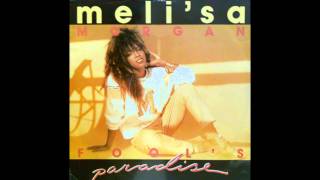
Watch the official Fool's Paradise
music video
The Core Story Behind the Lyrics
At its heart, the song is about someone choosing image over intimacy. The partner is chasing a life of glamour, hinted at through lines about becoming a star and getting swept up by big-city energy. The narrator sees that dream as unstable. To them, it is a false paradise: exciting on the surface, empty underneath.
The title phrase Fool's paradise
is the key. It describes a pleasant illusion that cannot last. In this song, that illusion is fame, nightlife, and self-importance. The chorus warns the partner to think twice
, because this path may feel good now but will likely end in regret.
Interpretation: The song suggests that emotional truth is more valuable than public shine. The narrator is not against ambition itself. They are against ambition when it blinds someone to love, loyalty, and their own mistakes.
Who Is Speaking, and Why It Matters
The narrator speaks in first person, but the emotional target is very clear: they are addressing a lover directly. That direct address gives the song its force. It feels like a face-to-face talk after patience has run out.
There is also an important contradiction in the voice. They say they do not want romance in a shallow sense; they want a real chance to prove they are sincere. That difference matters. The narrator is rejecting empty gestures while defending genuine feeling.
This tension makes the song richer than a simple breakup warning. They are not walking away immediately. They are standing their ground and asking the other person to wake up.
How the Verses Build the Theme
The song moves in a clear emotional sequence:
- The narrator calls out the partner's attitude.
- They describe how fame or city excitement has changed them.
- They recall a moral lesson, likely from family, about not becoming too proud.
- They promise they will still be there when the fantasy fades.
That last part is especially revealing. The narrator says they will be waiting when the lover comes down from their trip
. This does not sound like a literal journey. It sounds like an ego trip, a spell of vanity, or a period of emotional distance.
Bright lights and big cities
don't go to my baby's head
These lines sum up the song's conflict. The outside world is seductive, but it can distort identity. The lover is not evil; they are being pulled off course.
The Chorus Turns Judgment Into Heartbreak
The chorus is catchy, but its real power comes from how blunt it is. Calling the lover's dream a false paradise sounds almost harsh. Then the line it's not very nice
adds a surprising note. It is plain language, almost conversational, which makes the hurt feel more personal.
Instead of using poetic mystery, the song uses direct speech. That fits Morgan's style as a vocalist. Her delivery often blends warmth with firmness, which helps the warning feel emotional rather than cold. The chorus does not just accuse; it pleads.
Interpretation: The repeated warning may reflect a cycle in the relationship. The narrator may have had this conversation before. Repetition in the hook mirrors repeated disappointment.
Artist Context and Why Danny Elfman Is Notable
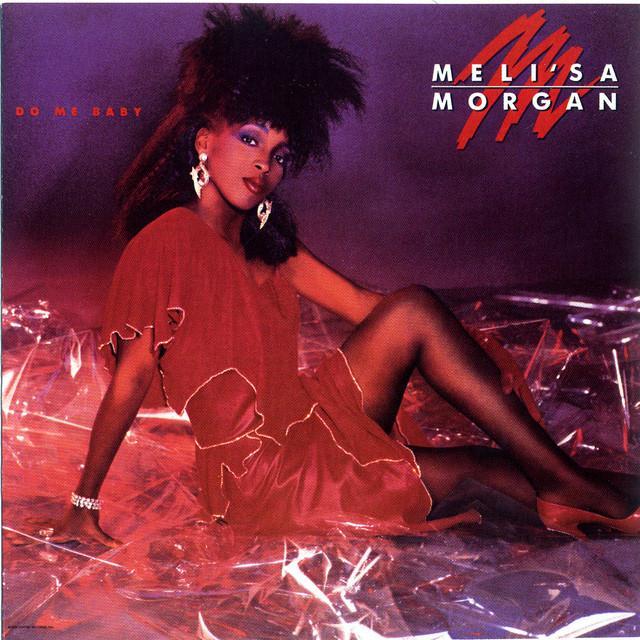
Meli'sa Morgan broke through in the mid-1980s R&B scene, with her debut album Do Me Baby helping establish her as a strong interpreter of romantic material. "Fool's Paradise" stands out because it was written by Danny Elfman, who is also known for leading Oingo Boingo and later becoming a major film composer.
That detail matters. Elfman's writing often carries a nervous, theatrical edge, and this song has some of that bite even in an R&B setting. According to available reference listings, Morgan released "Fool's Paradise" in 1986, and it sits in a wider history of songs using the same title, though this one has its own lyrical identity.
How the Sound Supports the Meaning
The production style fits mid-1980s R&B and soul: polished groove, steady drums, layered keyboards, and a vocal arrangement that keeps the singer in emotional focus. The music does not explode into drama. Instead, it holds a controlled pulse, which matches the narrator's stance. They are upset, but they are still composed enough to speak plainly.
That balance is important. If the track were too soft, the warning would lose force. If it were too aggressive, the tenderness would disappear. The arrangement lives in between. It gives space for concern, anger, loyalty, and fatigue all at once.
Morgan's phrasing also helps sell the meaning. She sounds like someone who has seen through the act. Even when the lyrics promise patience, the tone suggests limits. Love remains, but innocence is gone.
Final Meaning: Love Versus Illusion
In the end, the meaning of Fool's Paradise Meli'sa Morgan is about loving someone who is lost in a glamorous lie. The narrator sees ambition turning into vanity and excitement turning into emotional distance. They respond with a warning, but also with a promise: when the illusion collapses, they may still be there.
That mix of toughness and loyalty is what gives the song its staying power. It understands that people can be both loving and fed up at the same time.
Disclaimer: This article offers a good-faith interpretation based on the lyrics, recording context, and available credits. Song meanings can vary from listener to listener.








