Why 'Don't Cry Out Loud' Still Cuts Deep
The meaning of Don't Cry Out Loud Melissa Manchester starts with a contradiction. It sounds warm, polished, and comforting, yet the message is tough: hide the hurt, keep performing, and do not let the world see the break.
"Don't Cry Out Loud" - Melissa Manchester
'cause she didn't want parades just passin' by her
So she painted on a smile and took up with some clown
Loading lyrics...
Unable to load lyrics
We're unable to display the lyrics at this time. Please try again later.
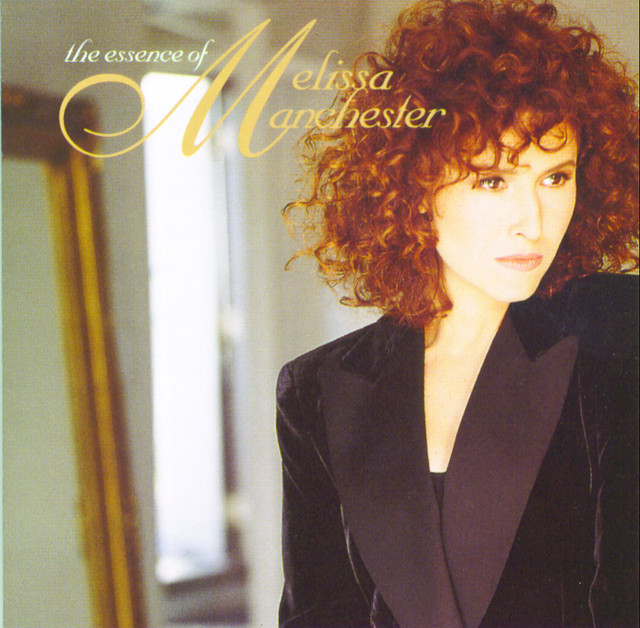
Melissa Manchester took the song to the U.S. Top 10 in 1979, and the single remains one of her signature hits. According to widely cited song history, it was written by Peter Allen and Carole Bayer Sager, released in Manchester’s version in 1978, and produced by Harry Maslin. It reached No. 10 on the Billboard Hot 100 and No. 9 on Adult Contemporary, giving it both pop reach and long-lasting soft-pop appeal.
The Heart of the Song Is a Lesson in Survival
On the surface, the song tells a small story about a girl called “Baby.” She is drawn to spectacle, risk, and love, then left with the wreckage after the show moves on. The song frames her as someone who learns to smile through pain.
That is why phrases like painted on a smile
and danced without a net
matter so much. They suggest performance and danger at the same time. She is not simply living; she is balancing above a fall while trying to look fearless.
Interpretation: the song is less about one woman than about a social rule many people learn early: stay composed, no matter what it costs inside.

Watch the official Don't Cry Out Loud
music video
The Twist: “Baby” Is Also the Narrator
One of the smartest details comes when the singer admits Baby is an awful lot like me
. That changes the whole frame. The song is no longer just advice about someone else. It becomes self-portrait, self-warning, and maybe even self-justification.
The narrator sounds like they are teaching strength, but they may also be repeating a lesson they were forced to learn. That gives the chorus its uneasy power. When the singer says Don't cry out loud
, it can sound protective or painfully repressive, depending on how a listener hears it.
Circus Lights, Sawdust, and Broken Dreams
The circus setting is not random decoration. It is the song’s main symbol system.
What the imagery suggests
- Circus and clown: life as performance
- High wire: emotional risk and public pressure
- Big top coming down: dreams ending suddenly
- Sawdust and glitter: beauty mixed with emptiness
When the song moves from fantasy to debris, it shows how quickly romance and ambition can collapse. A line like sawdust and some glitter
captures that perfectly. What looked magical becomes leftovers.
Interpretation: the song suggests that many glamorous dreams leave behind mess, not fulfillment.
The Chorus Is Both Advice and Warning
The chorus is famous because it is simple, stern, and easy to remember. It tells the listener to hide feelings, keep flying, and if they fall, focus on how close they came.
That last idea is especially sad. The song offers dignity, but not healing. It says survival may depend on reframing loss rather than expressing it. Instead of mourning openly, the person is told to remember they almost had it all
.
For some listeners, that sounds brave. For others, it feels heartbreaking. The song’s emotional force comes from leaving both reactions open.
The Backstory Adds Another Layer
Background on the song often points back to Peter Allen. Reports collected in song histories connect its outlook to Allen’s habit of keeping emotion contained, and to comments from people close to him who described that mindset as central to his personality.
Melissa Manchester’s own comments deepen the story too. She later said she first knew the song as a quieter piece and was surprised when the recording became bigger and more dramatic in the studio. She also said that, over time, she came to understand it as a song about learning to cope, even when that is difficult.
Those details matter because they show a tension between the song’s message and its emotional effect. Manchester reportedly resisted it at first, then eventually recognized its craft and truth.
Why the Production Makes the Meaning Stronger
The arrangement helps explain why the song lingered. Manchester’s version is not confessional folk-pop. It is grand, controlled, and theatrical.
The recording featured players such as Bill Payne on piano, Lee Ritenour and Dennis Budimir on guitar, David Hungate on bass, and Jim Keltner on drums, with Barry Fasman’s arrangement giving it a sweeping adult-pop shape. That polished sound matters because it mirrors the lyric’s emotional mask.
Instead of breaking down, the record rises. Instead of sounding messy, it sounds composed. The singer’s controlled vocal sits inside a lush arrangement that almost acts out the song’s central command: keep it together.
Two Strong Readings of the Song
Reading one: a hard-won resilience anthem
In this view, the song says life disappoints people, but they still have to stand up and keep going. The message is not cruelty. It is endurance.
Reading two: a critique of emotional suppression
In this reading, the song shows the damage caused by teaching people to hide pain. The beauty of the melody then becomes ironic: the prettier the performance, the sadder the buried feeling.
Both readings fit the lyric, which is why the song still sparks debate.
Why It Still Connects Today
The meaning of Don't Cry Out Loud Melissa Manchester still resonates because many listeners know this lesson well. They have been told to be strong, smile in public, and save their grief for private moments.
This song gives that rule a memorable shape. It does not fully endorse it or fully reject it. Instead, it captures how survival can look noble from the outside and lonely from the inside.
That ambiguity is why the song lasts.
Disclaimer: This interpretation mixes documented song history with critical reading of the lyrics and performance. Meaning can vary by listener.







