Why "Evil" by Mercyful Fate Still Chills
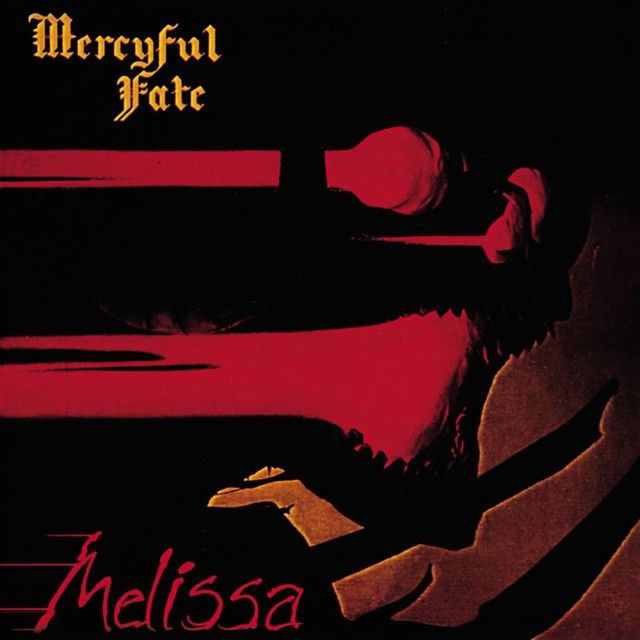
The meaning of Evil Mercyful Fate starts with a simple truth: this is a horror performance set to metal, not a diary entry. Mercyful Fate became one of the key early Danish heavy metal bands in the 1980s, with King Diamond and Hank Shermann at the center of their dark, theatrical identity. Their early work, including songs from Melissa, helped shape occult-heavy metal’s visual and lyrical language.
"Evil" - Mercyful Fate
I was born on the cemetery
Under the sign of the moon
Loading lyrics...
Unable to load lyrics
We're unable to display the lyrics at this time. Please try again later.
A Villain Speaks From Beyond the Grave
On the surface, the song introduces a narrator who claims they were born on the cemetery
and remade by death itself. That opening matters because it removes them from normal human life right away. They are not just bad; they are presented as evil made flesh.
Interpretation: The lyric is best read as mythmaking. The speaker gives themselves a supernatural origin so they can sound larger than life, like a demon, cursed king, or slasher-film villain. In that sense, the song is less about a plot and more about identity: evil announcing itself.
The line about the legions of hell
pushes that idea further. The narrator is not acting alone. They seem to belong to a whole dark order, which makes the threat feel cosmic instead of personal.

Watch the official Evil
music video
The Real Target Is Fear
What makes the song disturbing is not just death imagery. It is the delight the narrator takes in suffering. When they say their pleasure is to hear you cry
, the point is not subtle. The song frames evil as emotional hunger.
That is why the threats escalate from physical harm to humiliation and mental invasion. By the end, the speaker wants total control over the victim’s body, shame, and mind. In plain terms, the song imagines evil as something that does not stop at killing. It wants domination.
A Short Narrative Arc
The song unfolds in a clear sequence:
- The speaker announces a monstrous origin.
- They describe cruelty as pleasure.
- They imagine watching the victim’s end.
- They promise to violate even the grave.
- They end with a threat to
eat your mind
.
That final image is important. It turns the song from gore into psychological horror.
What the Lyrics Suggest Beneath the Shock
Mercyful Fate often used satanic and occult imagery as part of a stylized aesthetic rather than a literal belief statement in every lyric. In "Evil," the words are so exaggerated that they almost demand a symbolic reading.
Interpretation: One strong reading is that the song dramatizes pure sadism. The narrator is a fantasy figure who exists to strip away empathy. They enjoy grief, funerals, shame, and helplessness because these scenes prove power.
A second reading is that the song presents evil as corruption. The graveyard birth, infernal army, and attack on the mind all suggest a force that spreads and possesses. It is not only outside the victim; it tries to get inside them.
Oh lady cry
and say goodbye
Even in this brief refrain, the point is not romance or regret. It sounds like a cruel command. The victim is forced into the scene the villain has already scripted.
How the Sound Makes the Meaning Hit Harder
The meaning of Evil Mercyful Fate is carried as much by sound as by words. Mercyful Fate’s early recordings are built on fast, cutting guitar work, especially the dual-lead style associated with Hank Shermann and Michael Denner. Instead of a slow doom crawl, the band uses speed and sharpness, which gives the song a manic energy.
That choice matters. A slower arrangement might have made the song feel mournful. Here, the guitars feel predatory and excited. The riffs chase the listener forward while the solos break open the tension like flashes of violence.
King Diamond’s vocal style is just as important. Their high, dramatic delivery makes the narrator sound unstable, theatrical, and inhuman. They do not sing like a grounded storyteller. They perform like a villain stepping onto a stage.
Why the Production Fits the Theme
The production on early Mercyful Fate material is raw compared with later metal records, but that rough edge works here. It gives the song a live-wire danger. Nothing feels polished enough to soften the threat.
Artist Context Helps Explain the Song
Mercyful Fate emerged during a moment when heavy metal was becoming more extreme in imagery and sound. Their blend of occult themes, twin guitars, and falsetto vocals made them stand out and later influenced black metal and other darker subgenres.
That context helps explain why "Evil" goes so hard on graveyards, hell, and desecration. The band was building a world. They were not just writing about a mean person. They were creating a full horror-metal universe where evil had a voice, costume, and soundtrack.
So What Is "Evil" Really Saying?
In the end, the song is about the seduction of monstrous power. It gives listeners a front-row seat to a speaker who defines themselves through cruelty, supernatural birth, and total control. The shock value is real, but it serves a larger purpose: turning evil into a character so vivid that the audience can feel its pull and recoil from it at the same time.
For many listeners, that is the lasting power of the track. It is frightening, exaggerated, and even a little campy, but never weak. It knows exactly what kind of nightmare it wants to be.
Disclaimer: This interpretation is based on the lyrics, performance style, and Mercyful Fate’s broader artistic context. Like most metal songs, "Evil" can support more than one reading.








