Frantic by Metallica: Meaning Behind the Panic
Metallica open St. Anger with a song that sounds like a clock, a warning, and a confession all at once.
"Frantic" - Metallica
Provided by LyricFindIf I could have my wasted days back
Would I use them to get back on track?
Stop to warm at Karma's burningLoading...Loading lyrics...
Unable to load lyrics
We're unable to display the lyrics at this time. Please try again later.
Why the meaning of Frantic Metallica still hits hard
The meaning of Frantic Metallica comes down to pressure: pressure from wasted time, addiction, fear, and the feeling that life is speeding toward consequences. Released as the second single from St. Anger on September 15, 2003, and placed as the album’s opening track, “Frantic” immediately sets the record’s emotional tone. It was written by James Hetfield, Lars Ulrich, Kirk Hammett, and Bob Rock, and produced by Bob Rock and Metallica.
Factual context matters here. During the making of St. Anger, James Hetfield entered rehab for alcohol addiction, a crisis widely tied to the album’s themes. Sources like Songfacts and Wikipedia both connect “Frantic” to that period of breakdown and self-examination.
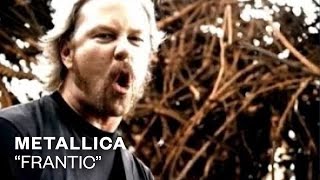
Watch the official Frantic
music video
A song about wasted time and what caused it
At the center of the song is regret. The speaker looks back on lost years and asks whether getting them back would really change anything. That question is important because the song does not treat addiction as only a bad habit. It suggests the drinking was tied to something deeper.
One of the clearest phrases is wasted days back
. They are not just mourning lost time; they are wondering whether they would have had the courage to use that second chance well. That makes the song more honest than a simple recovery anthem.
Interpretation: the lyrics suggest that sobriety alone is not the full answer. The real fight is with the fear and restlessness underneath the drinking.
Fear sits underneath the chaos
The verses keep moving from regret into anxiety. A key phrase is always being afraid
, which points to the engine behind the song’s panic. They are not only afraid of failure. They also seem afraid of mortality, of truth, and of what happens when distraction stops working.
Another line that captures this is Do I have the strength
. That question sounds less like bravado and more like a confession. The speaker is asking whether they can face reality without numbing it.
Songfacts argues that alcohol was a symptom, not the root cause, and that reading fits the lyrics well. The song’s real subject is internal pressure: a mind that will not slow down, and a life built around outrunning dread.
The chorus turns panic into a clock
The famous hook works because it is simple and physical. The repeated tick tick tick tock
does not just describe anxiety; it imitates it. The listener hears a clock counting down, which turns abstract fear into something bodily and immediate.
That ticking also changes how the title works. “Frantic” is not only an emotion. It becomes a way of living: rushed, compulsive, and unable to rest. The repeated search in the chorus reinforces that feeling. They keep moving, but they are not sure they are getting anywhere.
One short lyric snapshot
If I could have my wasted days back
Would I use them to get back on track?
These lines frame the whole song. They turn regret into a moral test: if they had another chance, would they actually live differently?
“My lifestyle determines my death style” decoded
The song’s most quoted line is my lifestyle determines my death style
. In plain terms, it means the way someone lives shapes the way they fall apart or survive. It is blunt, memorable, and harsh for a reason.
This is where the song moves from personal regret to larger meaning. Actions have consequences, and denial does not erase them. Wikipedia also notes a Zen-like thread around the song and St. Anger, including the phrase attributed to Kirk Hammett: “Birth is pain. Life is pain. Death is pain. It’s all the same.” That idea deepens the song’s focus on mortality, but “Frantic” is less about surrender than confrontation.
Interpretation: the lyric is not glorifying self-destruction. It is warning that habits become destiny if they go unchecked.
How the sound carries the message
The production of “Frantic” is crucial to its meaning. St. Anger is famous for its raw, abrasive sound, and that roughness fits this song. The drums feel blunt and exposed, the guitars jab instead of glide, and Hetfield’s vocal sounds barked, stressed, and cornered.
That matters because a polished mix would weaken the idea. “Frantic” needs to feel unsettled. Its stop-start momentum and pounding rhythm mirror compulsive thought: racing forward, circling, then racing again.
The video and public context add another layer
The Wayne Isham-directed video, released in 2003, shows a man reliving reckless behavior in the instant around a crash. That visual turns the song’s themes into a literal brush with death. It matches the lyric’s obsession with consequence and the sense that time can run out suddenly.
Commercially, the song reached No. 21 on Billboard’s Mainstream Rock chart and charted in several countries, including No. 2 in Spain and No. 4 in Finland. Even though St. Anger divided fans, “Frantic” remains one of the album’s clearest statements of purpose.
Final takeaway on Frantic’s meaning
The meaning of Frantic Metallica is not just addiction, and it is not just regret. It is about the terrifying moment when someone realizes their coping habits are really expressions of fear, and that time may be running out to change.
That is why the song still lands. It sounds like panic, but underneath the panic is a demand for honesty.
Disclaimer: This interpretation draws on documented context and lyrical analysis, but song meaning can remain open to personal reading.