Fuel by Metallica: Speed, Craving, and Collapse
Metallica's “Fuel” is one of their most direct adrenaline songs, but the meaning of Fuel Metallica goes beyond fast cars. On the surface, it is about engines, racing, chrome, and the rush of movement. Under that surface, it is also about craving itself: the urge to keep pushing harder, faster, and louder even when the thrill starts turning dangerous.
"Fuel" - Metallica
Give me that which I desire, ooh
Yeah
Loading lyrics...
Unable to load lyrics
We're unable to display the lyrics at this time. Please try again later.
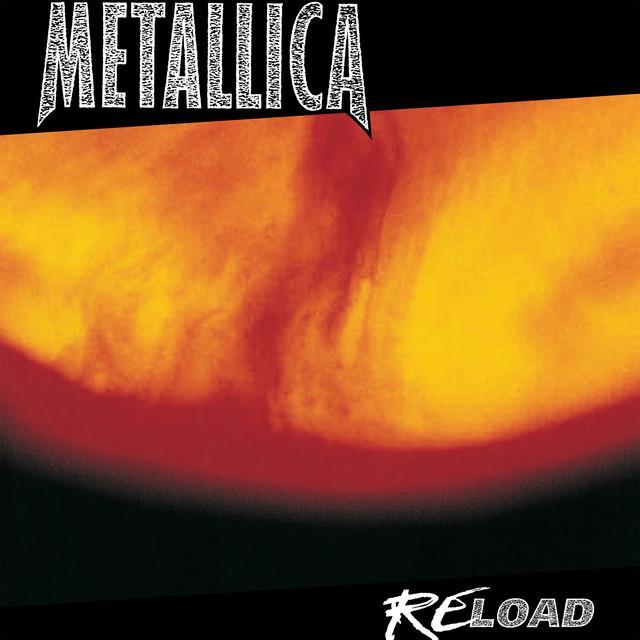
The track opened ReLoad in 1997 and was later issued as a single in 1998. It was written by James Hetfield, Lars Ulrich, and Kirk Hammett, with Bob Rock producing, according to widely cited release information. Critics and fan references often describe it as a song about driving, but also about living too fast. That broader reading fits the words, the vocal performance, and the way the band makes the whole track feel like a machine redlining.
Where the Song Starts: Hunger, Not Reflection
From the opening demand, the song throws the listener into appetite instead of thought. The hook Give me fuel
and Give me fire
is not a calm request. It sounds like someone feeding a need they already know is out of control.
That matters because the song never spends much time questioning the urge in the moment. Instead, it speaks from inside it. The voice chases stimulation, speed, and impact. In plain terms, they are not asking for peace or escape. They are asking for more power, more danger, more sensation.
Interpretation: This makes “Fuel” less a car song than a song about obsession wearing a car song's clothes.
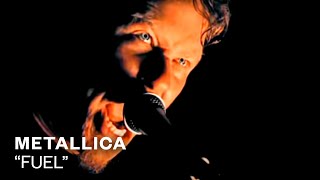
Watch the official Fuel
music video
Red Lights, Black and White, and the Taste of Risk
The verses build a world of reckless motion. Phrases like I see red
suggest anger, heat, and tunnel vision all at once. The mention of going fast through black and white
points to police lights, road markings, or a moral split between control and chaos.
Metallica packs these lines with images of collision and pressure. There are references to white-knuckle driving, chrome, crashes, and headlines. Together, those details turn the road into a stage where thrill and self-destruction become hard to separate.
A Quick Timeline of What the Lyrics Do
- They begin with pure desire.
- They move into sensory overload and speed.
- They hint at loss, damage, and public fallout.
- They return to desire again, as if the lesson never lands.
That cycle is important. The song does not tell a story with a clean ending. It loops the craving.
The Chorus Turns Gasoline Into Metaphor
The chorus is where the meaning of Fuel Metallica opens up. When the singer says Quench my thirst with gasoline
, the image is impossible on purpose. Gasoline does not satisfy thirst; it destroys. That is the point.
The song uses fuel as a symbol for the very thing that keeps the speaker going while also burning them up. The hunger is real, but the solution is poisonous. That is why the chorus feels exciting and alarming at the same time.
On I burn
Burning hard, loose and clean
Those lines capture the song's core tension. They sound triumphant, but they also describe a person consumed by the force they think they control.
How the Sound Sells the Message
“Fuel” works because the music mirrors the lyric idea almost perfectly. The riff is tight and immediate. The drums push forward with a pounding, road-rush momentum. Hetfield's vocal attack sounds clipped, forceful, and physical, as if each line is being spit out under pressure.
The production style also matters. Bob Rock helped shape Metallica's 1990s records into something thick, polished, and radio-ready without losing weight. On “Fuel,” that creates a clean but aggressive surface, like a muscle car with a fresh paint job and a dangerous engine underneath.
Another small but telling detail from fan and band reference material is that “Fuel” is notable for opening with vocals instead of a long instrumental setup. That choice removes delay. The song hits the gas instantly, which fits its theme of impulsive motion.
Artist Context: Why This Song Fit the ReLoad Era
By the time ReLoad arrived, Metallica had moved away from pure thrash speed and into a broader hard rock and heavy metal sound. “Fuel” still carried the band's love of force and riff power, but it did so in a way built for big hooks and arena impact.
That helps explain why the song became a durable live favorite. It has appeared regularly in setlists and on live releases, and it was even adapted in demo form as a NASCAR broadcast theme, according to major song reference sources. That racing connection makes sense, but it also reinforces the song's public image as an anthem of velocity.
Two Strong Ways to Read It
Reading One: A Literal Speed Anthem
This is the most obvious reading. The song is about driving too fast, loving danger, and chasing the mechanical thrill of motion. Sources like Songfacts summarize it in almost exactly those terms.
Reading Two: A Portrait of Addiction to Intensity
Interpretation: The car language may stand in for any self-destructive appetite. The repeated demands, the imagery of burning, and the idea of “thirst” being fed with something harmful all support a metaphor about compulsive living.
That second reading is why the song still connects even for listeners who do not care about racing. It understands the human urge to mistake escalation for freedom.
Why “Fuel” Still Hits
“Fuel” endures because it never sounds preachy. It lets the rush feel real. Then, if listeners look closer, they can see the cost inside the thrill. That balance gives the track its staying power.
In the end, the meaning of Fuel Metallica is about desire pushed to the edge. It celebrates the feeling of acceleration while hinting that the same force can wreck the driver. That tension is what makes the song more than a loud, fast single.
Disclaimer: This interpretation mixes documented song facts with critical reading of the lyrics and sound. As with most songs, listeners may hear different meanings.