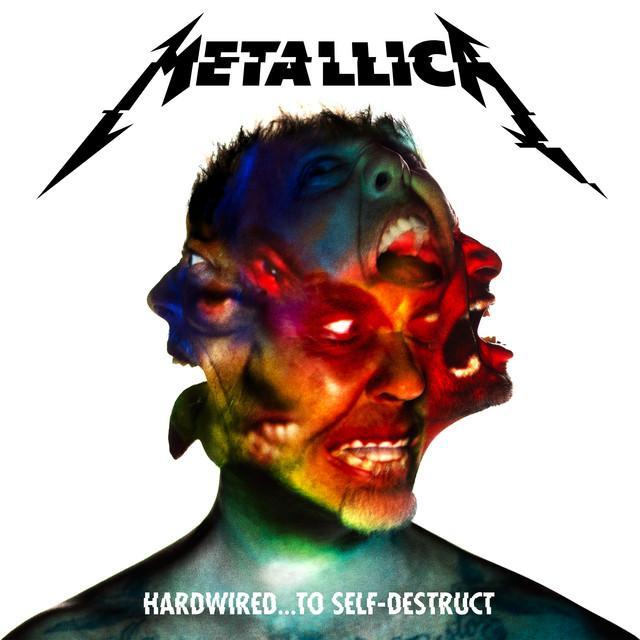
Why 'Hardwired' Hits Like a Warning Siren
Metallica’s “Hardwired” does not hide what it wants to do. It arrives fast, loud, and angry, then leaves just as quickly. That direct attack is a big clue to the meaning of Hardwired Metallica: the song is about people racing toward ruin and acting as if destruction is built into their nature.
"Hardwired" - Metallica
In the name of wretched pain
In the name of all creation
Loading lyrics...
Unable to load lyrics
We're unable to display the lyrics at this time. Please try again later.
Released on August 18, 2016, as the lead single from Hardwired... to Self-Destruct, the track was the last song written for the album and came together unusually fast for the band. Research on the song’s background describes it as written and recorded in roughly four days to under a week by James Hetfield and Lars Ulrich, then co-produced with Greg Fidelman. That rushed creation matters because the song sounds spontaneous, sharp, and unpolished in the best way.
The Core Idea Behind the Chaos
At the center of the song is a simple but harsh claim: humans may be wired to make the same destructive mistakes again and again. The title phrase itself, hardwired to self-destruct
, turns that idea into a slogan. It sounds like a diagnosis, not just a complaint.
The verses widen that idea beyond one person. They move through pain, paranoia, and social breakdown, suggesting a whole culture losing control. When the song mentions a world gone insane
, it is not describing one bad day. It is painting a civilization that seems unable to stop feeding its own worst instincts.
Interpretation: The song can be heard as both personal and collective. On one level, it fits addiction, self-sabotage, and repeated mistakes. On another, it sounds like a judgment on modern society, where fear, ego, and aggression keep pushing people toward collapse.

Watch the official Hardwired
music video
How the Lyrics Build a World in Ruins
One reason the song lands so hard is that it wastes very few words. Instead of telling a detailed story, Metallica uses compressed images. A phrase like crooked borderline
suggests moral confusion. Doom design
makes disaster sound planned, almost engineered.
Then the song gets even bigger. The image of a planet burning
shifts the scale from private failure to global danger. That image can point to war, environmental damage, social panic, or all of them at once.
The song also asks direct questions about fading hope and whether listeners can feel the ending coming. Those lines matter because they pull the audience into the crisis. This is not only about “them.” It is about everyone living inside the same failing system.
Once upon a planet burning
once upon a flame
once upon a fear returning
all in vain
That short passage sounds almost like a dark fairy tale. By starting with “once upon,” the band twists a familiar storybook phrase into something grim. The effect is powerful: it suggests humanity tells itself hopeful stories while repeating the same cycle of fear and damage.
Why the Chorus Feels So Brutal
The chorus is blunt, vulgar, and impossible to ignore. Its language strips away poetry and replaces it with panic. That choice fits the song’s worldview. There is no elegant way to describe disaster when it is already happening.
Interpretation: The repeated hook does not just say people are in trouble. It suggests they helped create that trouble and may not know how to stop. In that sense, the line is less about fate than about habit. People may feel “hardwired,” but the song leaves open whether that wiring is nature, culture, or choice.
Lars Ulrich has said the lyrics were meant to stay open-ended, even as he described the song as reflecting the choices people make and the mistakes some seem destined to repeat. James Hetfield likewise framed it in broad human terms, asking whether people are phasing themselves out through ego and technology. Those comments support the idea that the song is intentionally bigger than one event or one target.
The Sound Tells the Story Too
Musically, “Hardwired” is one of Metallica’s fastest tracks from their later career, often cited around 178 BPM, and it is also one of their shortest at 3:11. That matters because the arrangement mirrors the message. The riffing does not breathe much. The drumming pushes forward like a machine. Hetfield’s vocal delivery feels like a barked alarm.
This is also why many listeners heard it as a return to early thrash Metallica. Critics and fan outlets compared its speed and attack to the band’s early work, and Ulrich has spoken about revisiting Kill ’Em All during this period. The sound is lean and stripped down, which makes the song feel less like a complex essay and more like a punch to the chest.
Even the guitar tone helps. The opening feels like a revving engine, and the rhythm section keeps everything tense. Rather than softening the message with melody, the production turns the whole track into motion without relief. That relentless push fits a song about momentum toward damage.
A 2016 Song With a Wider Meaning
Because “Hardwired” arrived in 2016, some listeners connected it to that year’s political anger and anxiety. That reading makes sense, especially given the song’s mood of paranoia and collapse. Still, the lyrics are broad enough to outlive that moment.
That may be why the song still works. The meaning of Hardwired Metallica is not limited to one headline. It speaks to a recurring human pattern: people know they are making things worse, yet they keep moving in the same direction.
Final Take on Metallica’s Message
“Hardwired” is a short song with a huge warning inside it. It argues that self-destruction is not always dramatic or accidental; sometimes it is routine, collective, and built into the way people live.
For Metallica, that makes the track more than a fast opener. It is a thesis statement for an album and a fierce question about human nature. Interpretation: Whether listeners hear addiction, technology, politics, or civilization itself, the song’s real power comes from how many kinds of collapse it can hold at once.
Disclaimer: This interpretation blends documented artist comments with critical reading of the lyrics and sound. Like Metallica intended, the song remains open to more than one meaning.







