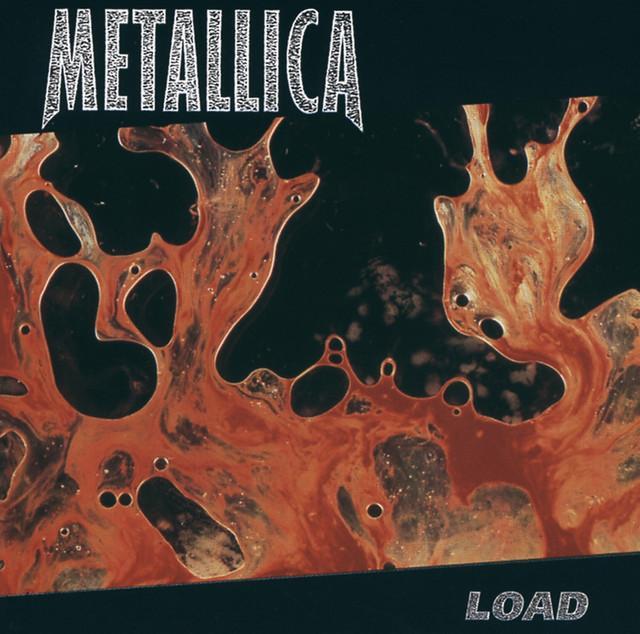
Why 'The Outlaw Torn' Still Hurts
The meaning of The Outlaw Torn Metallica comes down to loss that never fully heals. Closing 1996’s Load, the song turns grief into a long, heavy search. Its narrator is not just sad; they are restless, split open, and still chasing what is gone.
"The Outlaw Torn" - Metallica
And now I wait my whole lifetime for you
I ride the dirt, I ride the tide for you
Loading lyrics...
Unable to load lyrics
We're unable to display the lyrics at this time. Please try again later.
According to reference sources on the song, Metallica framed it around losing someone important and trying to find a replacement that never truly arrives. Some writers and fans connect that idea to late bassist Cliff Burton, though that remains an interpretation, not a confirmed single subject. What is clear is that the song centers on absence, longing, and emotional damage (Metallica Wiki; Songfacts).
A Grief Song Disguised as a Road Epic
From the start, the narrator speaks as if they have been trapped in waiting for years. The repeated idea of a whole lifetime
makes the pain feel permanent, not temporary. This is not a breakup song in the ordinary sense. It sounds bigger, more like someone trying to live around a wound that keeps reopening.
The verses add movement to that pain. When they describe searching outside and inside, the song suggests both physical wandering and inner searching. They are looking across the world and through themselves, hoping to recover what was left behind.
That is why the song feels so desperate. The more they chase relief, the more the need grows. In plain terms, Metallica writes grief here as hunger: the search does not satisfy the loss; it feeds it.
Watch the official The Outlaw Torn
music video
What the Title Really Suggests
The title is one of the song’s smartest choices. The hook turns on outlaw torn
, a phrase that sounds strange at first but lands hard emotionally. An outlaw is someone outside the circle, cut off from safety or belonging. Torn suggests damage, division, and raw pain.
Put together, the title paints a person who feels exiled by grief. They are not only wounded; they are separated from the life they used to know. The refrain and I’m torn
makes that split direct and personal.
Interpretation: The word “outlaw” may also hint at a person who keeps moving because staying still means facing the loss. That gives the song its drifting, road-worn feeling.
How the Lyrics Build the Search
One reason the meaning of The Outlaw Torn Metallica hits so hard is that the lyrics move in stages:
- Waiting: The narrator begins in suspended time, unable to move on.
- Searching: They ride, dig, and look everywhere for what is missing.
- Breaking: The search becomes self-destructive, with time turning into an enemy.
- Begging: By the end, they ask to be held together.
The middle of the song is especially revealing. When the narrator says smash the clock
, they are not just angry about time passing. They are furious that time has failed to heal anything. Grief has made every minute feel useless.
Later, the song shifts from motion to vulnerability. Instead of acting tough, they ask for help, asking someone to stitch me together
. That image is powerful because it treats the self like something ripped open and barely holding.
Hear me
See me
Hold me
Save me
This short sequence strips the narrator down to pure need. After all the searching and strutting, they finally admit they cannot mend themselves alone.
The Sound Makes the Meaning Heavier
The music matters as much as the words. The Outlaw Torn is the fourteenth and final track on Load, and its slow burn helps it feel like a closing statement (Metallica Wiki; Songfacts). Instead of racing, the song stretches out, letting tension build in waves.
That pacing mirrors grief. It lingers, surges, quiets down, and then surges again. The guitars sound thick and bruised rather than flashy. James Hetfield’s vocal leans into strain and pleading, which makes the song feel intimate even at its loudest.
There is also an important production detail: the Load version was shortened because of CD time limits, and the uncut version later appeared on the single for “The Memory Remains” in 1998. Sources also note that Kirk Hammett played the middle solo, while Hetfield played the ending solo (Metallica Wiki; Songfacts). That long-form structure suits the theme. The song needs room to ache.
Why It Stands Out in Metallica’s Catalog
Metallica often write about pain, but this song is unusually open-hearted. It lacks the armor of sarcasm or the distance of storytelling. Even by Load standards, it feels exposed.
It also works as the album’s emotional finish line. Load explored identity, desire, shame, and reinvention. Ending with this track suggests that underneath all those changes is a person still haunted by what they lost.
Interpretation: If listeners hear Cliff Burton in the song, that reading makes sense because the lyrics focus less on romance than on irreplaceable absence. But the song stays broad enough that listeners can connect it to death, divorce, addiction, faith, or any bond that left a lasting tear.
The Lasting Meaning of The Outlaw Torn Metallica
In the end, the meaning of The Outlaw Torn Metallica is about living as a damaged survivor. The narrator keeps moving, keeps searching, and keeps asking to be made whole, even while knowing the original loss may never be reversed.
That is why the song lasts. It does not promise closure. It tells the harder truth: some losses turn people into wanderers, and the bravest thing they can do is admit they still need saving.
Disclaimer: This article offers informed interpretation based on the lyrics, release history, and documented context. Meaning can vary from listener to listener, and not every reading is confirmed by the band.







