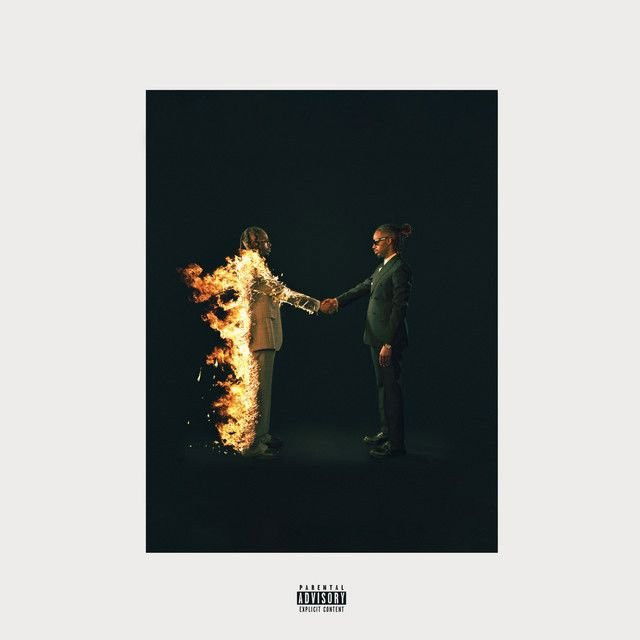
The Meaning of ‘Too Many Nights’—Fame’s Fever Dream
Metro Boomin’s “Too Many Nights,” with Future and Don Toliver, feels like a celebration that knows it might crash by sunrise. For readers searching the meaning of Too Many Nights Metro Boomin, Future, Don Toliver, this breakdown follows the highs, the hangover, and why the hook stings.
"Too Many Nights" - Metro Boomin ft. Future, Don Toliver
(Metro)
Keep the bitch ju-u-ump, keep it on ju-u-ump (jump)
Loading lyrics...
Unable to load lyrics
We're unable to display the lyrics at this time. Please try again later.
What the Hook Admits in Plain Words
The chorus confesses how success can blur identity and purpose:
It’s too many nights I went nameless
It’s too many nights I went famous
It’s too many nights I went brainless
Interpretation: the same nightlife that validates them also empties them out. One night they’re ignored, the next they’re celebrated, and sometimes they’re just numb. That polarity is the song’s heart.
Watch the official Too Many Nights
music video
Nightlife as Armor, Money as Measure
Future paints a world where cash and motion never stop. The command to keep it on jump
turns the club into a machine that must not stall. It’s a mantra for momentum, not joy.
Don Toliver’s hook reframes the flexes. When he echoes you get what you want
, it sounds like triumph at first. But layered over the chorus, it reads like a warning: if desire is endless, satisfaction never arrives.
Who’s Talking—and Who’s Being Addressed?
Most of the song uses a first-person voice, but it often turns to a “you.” The “you” can be a dancer, a romantic interest, or anyone inside the orbit of fast money. Lines about gifting luxury and covering costs show power and protection—status as care.
Yet the mask slips. “Ask me if I’m really okay” hints at a check-in that never truly lands. The song speaks to someone close, but it also talks to the mirror.
A Fast Timeline of Faster Living
- Arrival: The night flips on like a switch—orders barked, bottles raised, doors opening.
- Transaction: Status is proven by spending, by motion, by keeping the floor moving. The phrase
two hunnid on your dashboard
scales speed and excess into a metric. - Connection: There’s chemistry, but it’s transactional. Pride and gifts fill the silence where trust would go.
- Comedown: The refrain circles back. They’re
runnin' from my past
, still saying theycan’t slow down
. The night ends without closure, so they start another.
Symbols You Can Hear
- Nights: Not just time, but a zone where names, morals, and memories blur.
- Money/C-notes: Proof of dominance, but also a silencer—shove enough cash at discomfort and the beat swallows it.
- Vehicles/Speed: The dashboard detail is a shorthand for risk and adrenaline.
- The Pole/Stage: Work and performance intertwine. The song sees the hustle and respects the effort.
- Peephole/Heat: Surveillance and pressure—someone’s always watching, the room is always too hot.
Each symbol keeps the engine revving. The more symbols pile up, the more the person disappears.
Production Choices That Mirror the Theme
Metro Boomin builds a nocturnal trap bed: thick low-end, skittering hats, and glassy synths that feel both inviting and hollow. Honorable C.N.O.T.E.’s tag and Allen Ritter’s touch add shine without loosening the grip.
Don Toliver’s airy layers give the hook its float, almost like it’s sung from above the room. Future sits in a gritty, conversational pocket, making luxury feel routine. The repetition is the point; if the words cycle, so does the lifestyle.
Alternate Takes Worth Considering
Interpretation: One reading frames the song as a victory lap. The chorus lists the cost but refuses to pay it, choosing momentum instead. In that view, the mantra keep it on jump
is discipline—proof they outworked the past.
Interpretation: Another reading hears a quiet crisis. The chorus catalogs identity whiplash, and the verses use speed and spending as coping. From this angle, you get what you want
is double-edged—desire satisfied, meaning not.
Takeaway: The Lasting Pulse
“Too Many Nights” moves like a late-night city—bright, loud, and slightly haunted. Its core tension is simple: the higher they rise, the faster they have to run to feel it. That’s why the hook lingers long after the beat fades.
Disclaimer: Song meanings are subjective. This analysis is an interpretation based on the recording, credited context, and common themes in the artists’ work.








