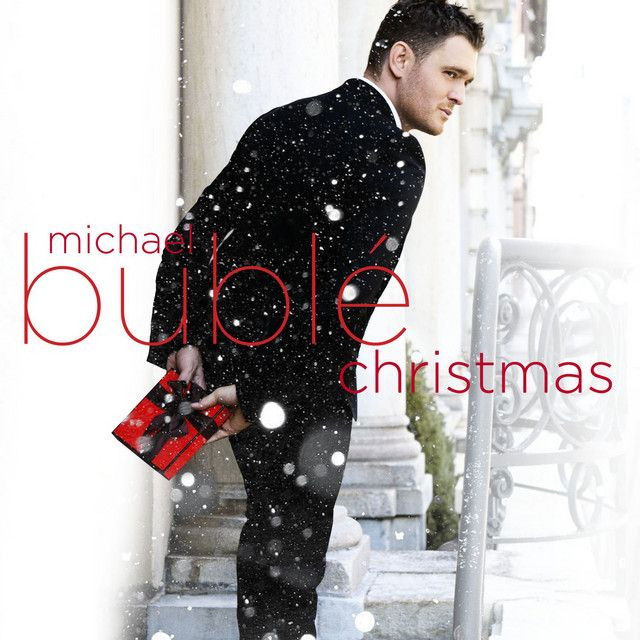
Homesick and Hopeful: Bublé’s ‘Home’ Promise
A promise you can almost touch—and maybe can’t keep. That is the quiet power behind Michael Bublé’s take on the Christmas standard. This reading of a wartime ballad turns distance into a warm, glowing room in the mind.
"I'll Be Home for Christmas" - Michael Bublé
You can plan on me
Please have snow and mistletoe
Loading lyrics...
Unable to load lyrics
We're unable to display the lyrics at this time. Please try again later.
A WWII Letter, Re-sent for Today
“I’ll Be Home for Christmas” began as a 1943 message to families with loved ones overseas. Written by Kim Gannon and Walter Kent, with Buck Ram later credited, it was first made famous by Bing Crosby during World War II. Contemporary accounts note it was embraced by U.S. troops and families, even as British radio briefly banned it for fear it might lower morale. The song has since become a holiday standard in the United States.
Michael Bublé’s version arrives decades later on his 2011 album Christmas. By recording it with classic pop and jazz styling, he carries the song’s original ache into a modern living room, where many still spend holidays far from home for service, work, or life circumstances.
Watch the official I'll Be Home for Christmas
music video
The Meaning of I'll Be Home for Christmas Michael Bublé
At its core, the meaning of I'll Be Home for Christmas Michael Bublé is about longing made gentle. The narrator speaks straight to family and friends, promising presence but admitting limits. They set expectations with You can plan on me
, a confident opening line that offers comfort.
But as the song unfolds, reality lands softly. The refrain’s final line—if only in my dreams
—makes clear that “home” might be spiritual or imagined. In Bublé’s hands, that tension between certainty and wistfulness feels intimate, like a late-night call across time zones.
Who’s Speaking—and What They Ask For
The voice is first-person, humble, and specific. They ask for familiar details that define a shared holiday scene: Please have snow and mistletoe
and presents by the tree
. These aren’t luxury requests; they’re small anchors of memory.
Interpretation: those simple images create a meeting place. Even if the traveler can’t walk through the door, they can meet their family in a picture everyone knows by heart. It’s a coping strategy—paint the room in words so distance shrinks.
Symbols That Make the Room Glow
The lyric relies on warm household symbols instead of big declarations.
- Snow and mistletoe: tradition and romance, a snapshot of classic Americana.
- The tree and gifts: ritual, belonging, and the joy of giving.
- The “love light”: the guiding beacon of home, an inner candle.
When the singer says where the love light gleams
, they’re naming a feeling as much as a place. Interpretation: home is wherever love is steady and visible. That could be a porch light, a midnight kitchen lamp, or the glow of memory itself.
How Bublé’s Sound Shapes the Ache
Bublé is a modern crooner, and his arrangement serves the lyric’s tenderness. The tempo is unhurried, the strings warm, and the rhythm section discreet—more fireplace than spotlight. His vocal sits close to the mic, with rounded consonants and gentle vibrato, letting the final admission—if only in my dreams
—land like a sigh.
On the 2011 album Christmas, Bublé and his production team draw on big-band color and classic pop polish. The mix favors clarity around the lead voice, so every word about snow, mistletoe, and that glowing light feels personal. The sound answers the lyric: rich, but never crowded; nostalgic, not old-fashioned.
Reception and Enduring Pull
Bublé’s version has become a radio staple each December, appearing on U.S. holiday and jazz charts across multiple seasons. Beyond numbers, it resonates because the core situation never ages. People still serve, study, tour, relocate, and miss flights. A promise to be there—followed by a soft confession—mirrors real life around the holidays.
Interpretation: the song comforts two audiences at once. For those at home, it’s proof they’ve not been forgotten. For those away, it’s permission to hold joy and sadness together without apology.
Alternate Routes Through the Snow
- A soldier’s letter: the historical frame, where duty blocks the doorway home.
- A working parent or touring artist: schedules and distance as modern barriers.
- A grief reading: the “home” that’s gone, honored in memory and tradition.
Each reading is supported by the lyric’s plain images and that final pivot to dreams. The vagueness is a feature, not a bug; it lets listeners supply their own reason for absence.
Takeaway Under the Tree
Bublé’s “I’ll Be Home for Christmas” makes absence feel tender, not empty. It asks families to set the table, turn on the love light, and trust that shared rituals can bridge miles.
Interpretation disclaimer: Meaning is subjective and can vary by listener. This analysis reflects one informed reading of the song’s lyrics, history, and performance.









