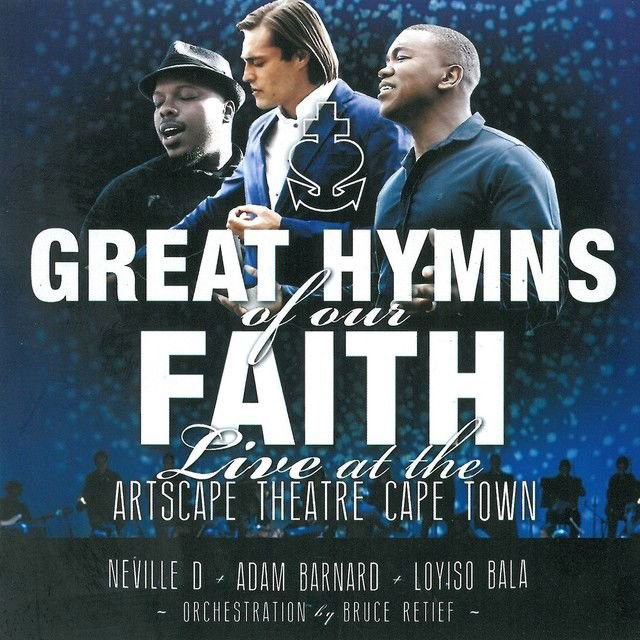
Why "Holy, Holy, Holy" Feels So Powerful
The meaning of Holy, Holy, Holy Michael W. Smith starts with a simple truth: this is not a song built around plot, conflict, or personal confession. It is built to do one thing well—lead people into worship.
"Holy, Holy, Holy" - Michael W. Smith
Hallelujah, hallelujah, for our Lord God almighty reign
Hallelujah, holy, holy
Loading lyrics...
Unable to load lyrics
We're unable to display the lyrics at this time. Please try again later.
Often associated with Michael W. Smith’s worship catalog, this song uses very few words to express awe, praise, and surrender. In this case, the writing is credited in the provided context to Donald McClurkin, and the lyric centers on God’s rule, holiness, and worthiness. That economy is the point. The song strips worship down to its core ideas and repeats them until they feel less like statements and more like a shared prayer.
A Worship Song More Than a Story
Unlike many pop or gospel songs, this one does not move from verse to verse with new information. Instead, it circles around a few declarations, including Lord God almighty reign
and worthy is the lamb
. Those phrases are short, but they carry major Christian ideas.
The first idea is sovereignty. When the song says God reigns, it presents God as active, powerful, and above earthly chaos. The second is holiness. Calling God holy, holy
is not just praise language; it marks God as set apart, pure, and beyond ordinary human limits. The third is sacrifice and redemption, captured in worthy is the lamb
, a phrase tied to biblical imagery of Jesus.
Interpretation: The song’s meaning comes from stacking these truths together. It suggests that worship begins when believers recognize who God is before speaking about themselves.

Watch the official Holy, Holy, Holy
music video
Why Repetition Is the Real Message
Some listeners may hear the repeated lines and think the song is too simple. But in worship music, repetition is often the emotional engine. It helps a congregation sing together, remember the words, and stay focused on one spiritual idea.
Here, the repeated hallelujah
works like a heartbeat. It keeps returning the listener to praise. The song does not argue for faith; it practices faith out loud.
That matters for the meaning of Holy, Holy, Holy Michael W. Smith because the song’s structure mirrors its theology. If God is eternal and unchanging, then the music makes sense as a cycle rather than a journey. The same truths come back again and again because worshippers believe they never stop being true.
The Biblical Echoes Behind the Lyrics
The wording strongly echoes Christian worship language found in Scripture, especially scenes of heavenly praise in Revelation and the larger biblical tradition of declaring God holy. The line about the Lamb also points toward Jesus as a sacrificial and victorious figure in Christian belief.
You are holy, holy
Are you Lord God almighty
Worthy is the lamb
Even in that short section, the song moves through three layers of praise: who God is, how God is addressed, and why God deserves worship. That gives the lyric a liturgical feel. It sounds less like private diary writing and more like something meant for a gathered church.
Interpretation: The song may feel emotionally open because it leaves room for listeners to bring their own needs into it. It does not name specific struggles, which lets it work in many moments—celebration, grief, gratitude, or quiet reflection.
How Michael W. Smith’s Style Shapes the Meaning
Michael W. Smith has long been one of the best-known names in contemporary Christian music, especially in live worship settings. His versions of worship songs often rely on clear piano parts, swelling dynamics, and group-friendly arrangements that invite participation rather than spotlight complexity.
That style fits this song perfectly. A piece built on repeated praise needs space, not clutter. In performance, the instrumentation usually supports the lyric instead of competing with it. Keyboards or piano often create a broad harmonic bed, while drums and backing vocals gradually increase intensity.
The result is important to the song’s meaning. The music helps the listener move from statement to experience. A line like amen
lands with more weight when the arrangement has built a sense of reverence around it.
Sound, Tempo, and the Feeling of Reverence
The production approach in songs like this is usually steady and spacious. Rather than sharp rhythmic surprises, the arrangement tends to favor sustained chords, slow builds, and communal vocals. That makes the song feel stable.
That stability supports the message. If the lyric is about God’s unshaken rule, then the music should feel grounded too. Even when the volume rises, the emotional direction is upward, not chaotic.
For many listeners in the United States, that worship sound is familiar from church services, conferences, and live albums. It creates a sense of shared devotion. They are not just hearing a singer perform; they are hearing a room join in.
What the Song Says About Worship Itself
At its core, the song teaches a certain idea of worship: worship is not mainly about emotion, though emotion is present. It is about attention. The lyric keeps turning attention away from the self and back toward God.
That is why there is almost no personal narrative here. There are no detailed testimonies, no life updates, no long explanations. The song offers a communal voice through words like our Lord
. It suggests that worship unites individual believers into one body of praise.
Interpretation: This is also why the song has lasted. Its language is broad enough for many churches, but strong enough to feel doctrinally rooted. It works both as a personal prayer and as a congregational anthem.
Final Take on Its Lasting Power
The meaning of Holy, Holy, Holy Michael W. Smith is ultimately about reverence made simple. Its few repeated lines declare that God reigns, God is holy, and God is worthy. Everything in the song—its lyric, structure, and worship-focused sound—serves that central purpose.
That simplicity is not a weakness. It is the design. The song creates space for awe, and that is why it continues to connect with worshippers.
Disclaimer: This interpretation is based on the lyrics provided, the song’s worship context, and common Christian theological themes. Meaning can vary depending on the listener’s faith background, church tradition, or performance setting.








