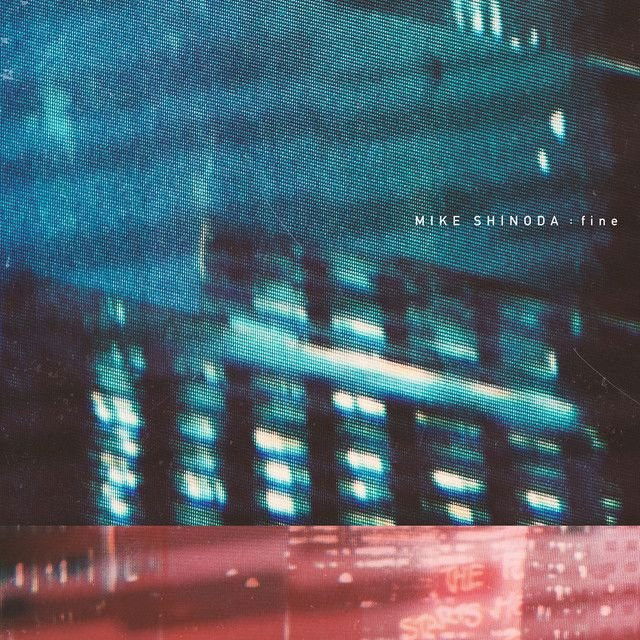
Why Mike Shinoda's "Fine" Sounds So Unsettling
The meaning of fine Mike Shinoda becomes clear once listeners hear the contradiction at the center of the song. "Fine" sounds like reassurance on the surface, but almost everything around that promise feels tense, dark, and unsafe. The result is a track about fear, denial, and the strange way people try to calm themselves when danger is already at the door.
"fine" - Mike Shinoda
I've seen the smoke in the sky before
Gotta be up on my feet when the morning comes
Loading lyrics...
Unable to load lyrics
We're unable to display the lyrics at this time. Please try again later.
A Comforting Title With a Nervous Core
Mike Shinoda released Fine in 2019 as a solo track written for the sci-fi thriller The Blackout. According to reporting from Rolling Stone and Loudwire, Shinoda wrote it after director Egor Baranov sent him a clip from the film, and Shinoda said the movie's "tense and unsettling nature" immediately connected with him. That background matters because the song does not behave like a normal motivational anthem. It behaves like a warning siren wearing a calm smile.
From the opening, the narrator sounds alert and battle-ready. They urge people to prepare, protect themselves, and respond to a threat that feels familiar. When the song mentions lock those doors
and seeing smoke before, it suggests a repeating cycle of crisis. This is not a first shock. It is a return of something terrible.

Watch the official fine
music video
The Real Meaning Hides in the Chorus
The key line, Everything is gonna be fine
, is the emotional trick of the whole song. In plain language, the lyric says not to worry. But the verses make that message hard to trust.
Before and after the hook, the song describes panic, sweating, dread, and predatory images closing in. That contrast makes the chorus feel less like truth and more like one of three things:
- a forced reassurance,
- a lie told to survive the moment, or
- a numb mantra repeated when reality is too scary.
Interpretation: The chorus is probably meant to sound hollow on purpose. The more often the phrase repeats, the less secure it feels. Instead of easing tension, repetition increases it.
Images of Attack, Panic, and Encirclement
One reason the meaning lands so strongly is the song's imagery. Shinoda uses body-level threats, not abstract ideas. When the lyrics describe reaching for my throat
and being hungry for my skin
, the threat feels intimate and immediate.
That matters because it turns fear into something physical. This is not just worry in the mind. It is pressure on the body: chills, sweat, breath, and the instinct to fight. The song's language makes the danger feel both real and hard to name.
Fingers stretching out from nowhere
Slowly closing in
That brief section captures the song's nightmare logic. The threat comes from nowhere, surrounds the narrator, and grows closer while someone keeps saying things are okay. The horror is not only the monster. It is also the disconnect between what is happening and what people say is happening.
Who Is the Song Speaking To?
The narrator seems to speak to a group at first, almost like a witness warning a community. They tell children, friends, enemies, and flesh and blood
to get ready. That wide address suggests a crisis that reaches everyone.
At the same time, parts of the song feel personal and isolated. The throat and skin imagery zooms in tightly on one body under threat. This shift from group warning to individual panic gives the song two layers: public emergency and private terror.
Interpretation: That split may be why the song feels so effective. It can work as a cinematic scene in a thriller, but also as an emotional map of anxiety, where outside danger and inside panic blur together.
How the Sound Carries the Message
Reports on the song described it as synth-heavy, driven by a heavy drum stomp, with ominous piano and electronic textures that build in urgency. That production style fits the meaning perfectly.
The beat sounds steady, but not peaceful. It resembles marching, pursuit, or a countdown. The synths add a cold sci-fi mood, which ties naturally to The Blackout, but they also create emotional distance. Shinoda's vocal delivery does something similar. Rather than exploding with panic, they often sound controlled, almost detached.
That restraint is important. If the singer sounded openly terrified, the song would be more direct. Because they sound measured, the repeated promise of being fine becomes eerier. Calm becomes suspicious.
Artist Context Shapes the Reading
While "Fine" was made for a movie, listeners also hear it in the context of Shinoda's solo period after Post Traumatic. That album arrived after the death of Chester Bennington, and Shinoda spoke in interviews about questioning himself and even feeling afraid to write again. Those comments do not prove that "Fine" is about grief. Still, they help explain why audiences may hear deeper emotional tension in it.
Interpretation: The song can be heard in two valid ways. First, it is a soundtrack piece about an unknown terror in a science-fiction world. Second, it can also reflect the emotional habit of saying things are okay while carrying stress that has not gone away.
Why "Fine" Still Works
The meaning of fine Mike Shinoda lasts because the song understands a common human reflex: people often say everything is okay when they know it is not. Shinoda turns that reflex into drama. The lyrics show danger gathering. The music keeps tightening. And the chorus keeps smiling through it.
That is what makes "Fine" memorable. It is not about comfort. It is about the sound of comfort failing.
Disclaimer: This article offers interpretation based on the released song, available reporting, and artist context. Song meaning can remain open, and different listeners may hear it differently.








