The Meaning of 'Smile' by Mikky Ekko: Hope vs. Hurt
They don’t sugarcoat it. Smile opens with a warning and still reaches for light. That mix of grit and grace is the core meaning of Smile Mikky Ekko: accept the storm, then choose to keep going. It’s a tough-love mantra for anyone who feels stuck, lonely, or out of step—and it lands because Ekko refuses easy optimism.
"Smile" - Mikky Ekko
We'll be lucky if we ever see the sun
Got nowhere to go, we could be here for a while
Loading lyrics...
Unable to load lyrics
We're unable to display the lyrics at this time. Please try again later.
Darkness Framed as a Dare to Hope
The song’s thesis is paradox. The narrator admits the world might get harsher—the worst is yet to come
—yet insists on an act of defiance: smile anyway. That smile isn’t denial; it’s agency. When they add future is forgiven
, the line points to radical acceptance. Instead of fearing what’s ahead or replaying past mistakes, they forgive the future itself and step forward.
Interpretation: forgiveness here functions as release. If tomorrow is already “forgiven,” the pressure to be perfect drops. The song invites listeners to let go of dread, breathe, and choose a small, repeatable act: a smile.

Watch the official Smile
music video
Voice and Address: A Plea for Contact
Ekko sings in first person, and at times it sounds like he’s talking to both a partner and himself. The verse with call me loser, call me thief
shows the weight of judgment. He doesn’t posture; he confesses the need: I wanna be loved
.
That need isn’t only romantic. It’s survival—a request to be held “like I’m the only one.” The lyric also personifies time as a visitor who may “say I’m not needed,” then still hold him close. Interpretation: the song imagines time as both critic and comforter, mirroring how we can be hard on ourselves and still crave care.
What Actually Happens: Beats of the Story
- Opening: The singer feels trapped in a place of little light and no clear exit. They dream of getting
closer to grace
. - Confession: Names and insults sting, and loneliness bites. The want is named plainly—to be loved and held.
- Reckoning: Time reminds them they won’t be essential forever, a sober nod to mortality and change.
- Choice: With
we've got nothing but time
, the frame flips. If time stretches, there’s space to forgive and try again. The chorus returns to anchor that choice.
The Chorus as Tough-Love Mantra
Here is the hinge of the song—the line that makes its contradiction feel true in the body:
Smile, the worst is yet to come But the future is forgiven, so smile
The refrain names fear and refuses to let fear own the last word. Interpretation: the hook is not toxic positivity; it’s courageous realism. Smiling becomes a practice of resilience, not a mask. The repetition works like a mantra, something to hold when the night runs long.
Sound Choices that Carry the Theme
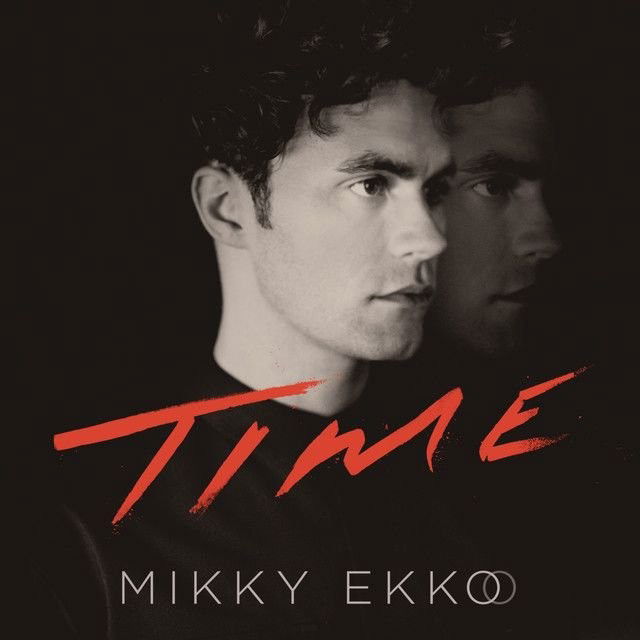
On Time (2015), Smile stands out for its steady, four-on-the-floor pulse and bright, open-voiced piano. Critics noted how Ekko “paints a pessimistic picture” while urging optimism, and that tension shows up in the mix: a thudding beat under a widening chorus lift. As the hook returns, stacked vocals expand like a small choir, turning a private vow into communal courage.
Ekko’s tenor does the heavy lifting. He starts intimate, then leans into ringing high notes that cut through the production without losing warmth. Subtle claps and a crisp kick push the song forward, embodying the lyric’s forward motion. The arrangement keeps verses lean, then blooms, mirroring the movement from doubt to decision.
Cultural note: Smile was released as a 2014 single and later appeared on Time. It also reached a teen audience when it featured in the Paper Towns (2015) trailer. That placement makes sense: the song speaks to uncertainty and self-definition, familiar to anyone on the edge of change.
Alternate Readings, Same Core
- Mental health lens: The chorus reads like a grounding technique. Naming fear (
the worst is yet to come
) and then choosing an action (smile) can interrupt spirals without pretending everything’s fine. - Spiritual undertone: Words like
grace
andforgiven
suggest a soft religious echo. Interpretation: the singer isn’t preaching; they’re borrowing sacred language to talk about mercy toward the self and the future. - Generational shrug and surge: By declaring
we've got nothing but time
, the song rejects urgency as panic. It argues for patient grit—show up, breathe, try again.
Takeaway: Smile earns its uplift by telling the truth first. It knows the night, but it doesn’t let the night define the ending.
Disclaimer: Song meanings are interpretive. This reading draws on lyrics, performance, and public context; listeners may hear different layers.