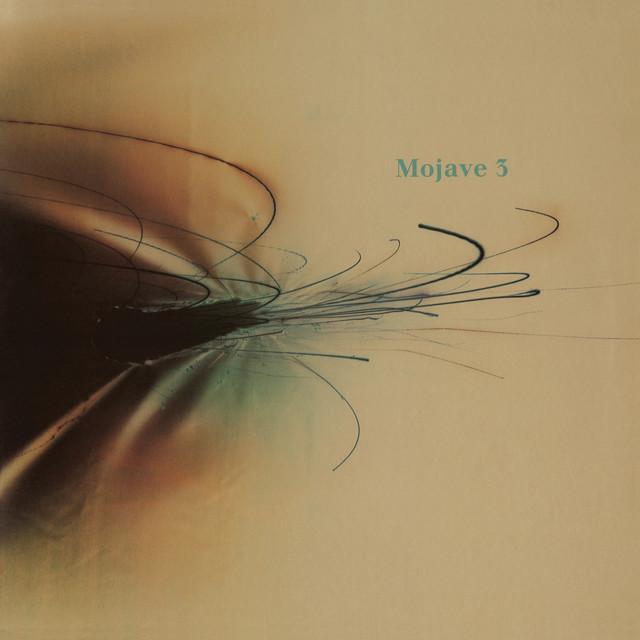
Love Songs on the Radio by Mojave 3
A quiet song about longing, not romance
The meaning of Love Songs on the Radio Mojave 3 centers on desire seen from a distance. The song is not a big declaration of love. Instead, they present a scene where affection, fantasy, and loneliness blur together.
"Love Songs on the Radio" - Mojave 3
When she walks across the room
She shines tonight her golden light
Loading lyrics...
Unable to load lyrics
We're unable to display the lyrics at this time. Please try again later.
On the surface, the lyrics describe a woman who seems almost glowing. She moves through the room with a dreamlike pull, and people around her are drawn in. But the song does not sound triumphant. It sounds tender and a little sad, as if the narrator already knows that beauty and need do not guarantee real connection.
That tension matters. Mojave 3 were known for turning simple lines into deep emotional spaces, especially on their debut album Ask Me Tomorrow. Here, they take familiar images from pop love songs and show how fragile they can be.

Watch the official Love Songs on the Radio
music video
The central image: love as a fantasy broadcast
The title gives away the song’s big idea. Love here is not only something felt between two people. It is something heard, imagined, and absorbed through culture. When the chorus points to Love songs on the radio
, it suggests that romance is being framed by outside messages.
That makes the song feel wider than one crush or one bedroom scene. The radio becomes a symbol for emotional scripts people learn from music: love should feel magical, complete, and full of signs. The woman in the song is seen through that soft glow.
Interpretation: Mojave 3 may be asking whether people fall in love with a real person, or with the feeling that songs teach them to chase.
The woman at the center feels radiant and unreachable
The opening presents her in near-religious terms. When the song says she looks like an angel
, it does more than praise her looks. It places her above ordinary life.
That image is important because it introduces idealization. She does not just seem attractive. She seems perfect, almost untouchable. Then the phrase golden light
pushes that further. She is framed as a source of warmth and meaning, almost as if the narrator is projecting a private need onto her.
This is one reason the song feels bittersweet. If someone becomes a symbol of hope, they stop being fully human in the mind of the admirer. The song understands that danger without stating it directly.
Desire surrounds her, but intimacy stays uncertain
The next lines widen the picture. Other people want her too, and she appears to carry admirers easily. The phrase wears them like her jewels
suggests that attention follows her everywhere.
That can be read two ways. On one level, it shows confidence and magnetism. On another, it implies that the men around her are ornaments, not equals. Either way, the song presents a world where desire is public and visible, while genuine closeness remains hard to find.
The mention of a friend who needs her to feel alive
deepens that point. This is not healthy, grounded love. It is emotional dependence. The song gently reveals how quickly attraction can turn into worship.
The bedroom scene shifts the song from beauty to vulnerability
The final verse moves from the room full of admirers to a private moment. A sweetheart lies in bed, replaying someone’s words and hoping they were sincere. That shift is crucial to the meaning of Love Songs on the Radio Mojave 3.
Now the song is no longer just about being dazzled by someone. It is about what happens after the dazzling moment ends. A person is left alone with memory, uncertainty, and hope.
She's dreaming of the things he said
She's hoping that it's meant
These lines are simple, but they carry the whole ache of the song. The emotional action happens inside the listener’s mind. She is not living the love story; she is waiting to learn whether it was ever real.
How the music reinforces the meaning
Mojave 3 emerged from the remains of Slowdive, and their early work traded shoegaze noise for hushed, country-leaning dream pop. That background helps explain why this song lands so softly. On AllMusic's overview, the band is often described through that blend of folk, pop, and atmosphere.
The arrangement matters because it avoids drama. The guitars drift instead of crash. The tempo feels unhurried. Neil Halstead’s vocal delivery is intimate and restrained, which keeps the lyrics from turning melodramatic.
That soft production supports the song’s meaning. A louder performance might have made the words sound possessive or overly sentimental. Mojave 3 instead make them feel observational, almost fragile. They let listeners sit with uncertainty rather than pushing toward a big emotional payoff.
Two strong ways to read the song
Reading one: a portrait of idealized love
Interpretation: The most direct reading is that the song captures the way people turn attraction into fantasy. The woman is adored, but the adoration says as much about the admirers as it does about her. They need her to complete a feeling already missing in themselves.
Reading two: a critique of romantic storytelling
Interpretation: The radio title and the closing bed scene suggest something broader. The song may be quietly criticizing how pop culture teaches people to search for proof that every sweet word is destiny. In this reading, the heartbreak comes from believing the script.
Both readings fit because the lyrics stay spare. Mojave 3 do not explain too much. They leave room for listeners to supply their own memories of wanting someone who felt larger than life.
Why the song still resonates
Part of the song’s staying power is its honesty about emotional imbalance. Many love songs celebrate obsession as if it were romance. This one notices how admiration, hope, and self-deception can live in the same space.
It also understands a very modern feeling: people often experience love through mediation, whether by songs, films, or fantasies built in private. The track’s sadness comes from that gap between what is felt and what is truly known.
In the end, the meaning of Love Songs on the Radio Mojave 3 is about longing shaped by fantasy. They show how beauty can inspire devotion, how words can echo in a quiet room, and how love can feel most intense when it is still uncertain.
Disclaimer: This interpretation is based on the lyrics, recording context, and publicly available information. As with many Mojave 3 songs, listeners may reasonably hear different meanings in its ambiguity.







