Why “Life in Mono” Feels Like a Memory
The meaning of Life In Mono Mono starts with a feeling many listeners know right away: the sense of being trapped inside a beautiful memory that hurts a little. Mono’s best-known song is dreamy, elegant, and distant, but its emotional core is simple. It is about someone haunted by an arrival they cannot place neatly in time, and by a person they still cannot fully let go.
"Life In Mono" - Mono
From someone else's dream
The leaves began to fall
Loading lyrics...
Unable to load lyrics
We're unable to display the lyrics at this time. Please try again later.
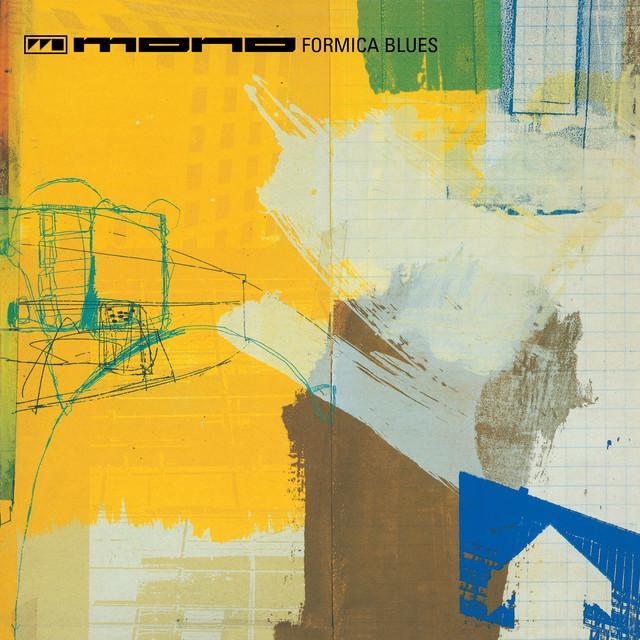
Released first on Mono’s 1996 debut EP and later included on Formica Blues in 1997, the song helped define the duo’s brief but memorable run in the trip-hop era. Mono was the English duo of Siobhan de Maré and Martin Virgo, and the track was written by John Barry and Virgo, then produced by Virgo with Jim Abbiss. Its later use in Great Expectations gave it a wider American audience and helped fix its glamorous sadness in pop culture.
A Romance Wrapped in Fog
On the surface, the song sketches a small scene: a stranger sings, leaves fall, nobody speaks, and the narrator cannot quite remember when this person entered their life. That is not a plot-heavy song. It works more like a mood piece.
The opening image, The stranger sang a theme
, suggests distance right away. This is not a warm reunion or a clear confession. It feels staged, almost cinematic, as if the narrator is watching their own life happen from a few steps away.
Then the line someone else’s dream
adds another layer. The moment does not feel fully owned by the speaker. Interpretation: that can suggest alienation, where their love story already feels borrowed, idealized, or unreal.

Watch the official Life In Mono
music video
The Heart of the Song Is Uncertainty
The most revealing emotional turn comes when the narrator admits they cannot recall exactly when this person appeared. That blurred memory matters. It shows that the relationship, or obsession, has become bigger than facts.
Instead of giving names or details, the song gives atmosphere. The repeated address Ingenue
frames the other person as innocent, luminous, and maybe unreachable. Research around the song notes that the word was added late in the writing process, partly for sound and rhyme, but it still became central to the song’s identity.
Ingenue
I just don't know what to do
That tiny refrain says almost everything. The speaker is not declaring love with confidence. They are confessing emotional confusion.
Scenes of Regret, Not Resolution
The second verse deepens the feeling of drift. The image of a tree-lined avenue
fading away suggests a once-clear path now disappearing. In plain terms, the narrator is losing their grip on the past.
The mention of tea and cigarettes
is especially effective because it is ordinary. Instead of grand drama, the song places regret in small rituals. They are trying to numb old feelings, sit with them, or wait them out. None of that works.
The emotional pattern is important:
- A moment appears like a dream.
- The loved figure becomes the center of attention.
- Time starts to blur.
- Regret remains, even after attempts to bury it.
That is why the song feels so haunting. Nothing is solved. The memory simply stays alive.
Why the Production Matters So Much
The meaning of Life In Mono Mono is carried as much by sound as by words. Mono emerged from the 1990s trip-hop wave, and this track uses that style in a very controlled way. Its arrangement is spacious, slow-moving, and understated, letting de Maré’s voice float rather than push.
That choice matters. A louder, more direct production could have turned the song into straightforward heartbreak. Instead, the music makes it feel suspended, like perfume in the air. The rhythm never rushes the speaker toward closure.
Billboard once praised the song’s use in Great Expectations, saying its film placement “works” and pointing to its anguished quality. That makes sense. The song sounds expensive, lonely, and emotionally blurred, which fit the film’s romantic melancholy.
Artist Context Makes the Song Even Richer
Mono was never a huge long-term chart force, but this single made a clear mark. It reached No. 70 on the US Billboard Hot 100 and also charted on alternative formats, which shows how it crossed between art-pop moodiness and radio accessibility.
That crossover helps explain its legacy in the United States. It was sophisticated enough for film and TV, but catchy enough to linger after one listen. Its later placements in shows like Daria and La Femme Nikita reinforced the same quality: cool surfaces hiding deep longing.
The John Barry credit is also worth noting. Barry’s name carries a cinematic history, and that DNA can be felt here. The song moves like a scene from a stylish drama, where emotion is real but filtered through glamour.
Two Strong Ways to Read It
Interpretation 1: A song about romantic fixation. The narrator is thinking about one person whose arrival changed everything. They cannot forget them, and the repeated uncertainty shows how destabilizing that attachment became.
Interpretation 2: A song about memory itself. The “ingenue” may be less a real person than an idealized version of the past. In this reading, the speaker is not only missing someone. They are mourning a time when life felt more vivid.
Both readings work because the song keeps details minimal and emotion open.
Why It Still Connects
What keeps “Life in Mono” alive is its restraint. It does not explain too much. It trusts image, mood, and repetition.
For listeners searching for the meaning of Life In Mono Mono, the answer is not hidden in a twist. It is a portrait of longing made beautiful: a faded scene, a person who still glows in memory, and a narrator who remains unsure how to move beyond either one.
Disclaimer: This interpretation blends documented facts about the song’s release and reception with critical reading of its lyrics and sound. As with most songs, individual listeners may hear it differently.







