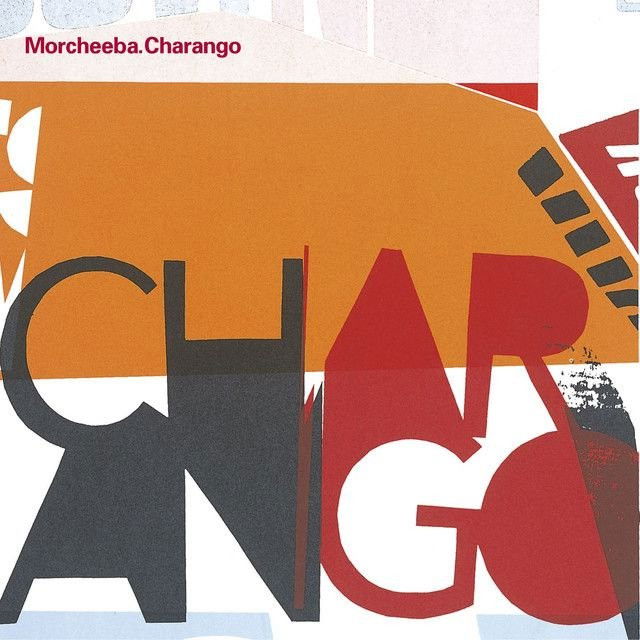
Otherwise by Morcheeba
A smooth song with a sharp bruise
The meaning of Otherwise Morcheeba centers on disappointment, mixed signals, and the gap between how people appear and who they really are. The song sounds relaxed and stylish, but its words carry frustration. They present a speaker who feels pulled toward someone attractive and charismatic, yet also hurt by that person’s criticism, vanity, and emotional distance.
"Otherwise" - Morcheeba
Just to show you my face
But when it comes to the crunch
Loading lyrics...
Unable to load lyrics
We're unable to display the lyrics at this time. Please try again later.
That contrast is the key to the track. Morcheeba often blends soft grooves with uneasy feelings, and “Otherwise” does exactly that. What seems like a mellow pop song slowly reveals a power struggle: one person wants honesty and closeness, while the other seems more invested in image and control.

Watch the official Otherwise
music video
The core story hiding in plain sight
At the start, the narrator sounds self-aware and exposed. They admit they were wanted there to show you my face
, which suggests being used as a surface presence rather than valued as a full person. Then, when pressure arrives, they hide in disgrace
. In plain terms, the song opens with social performance and shame.
That idea grows into a wider critique. The line about being seen to be playing the game points to a social world where appearances matter more than truth. Interpretation: this can be heard as a comment on romance, status, or even celebrity culture. The speaker recognizes that both people are caught in it, even while resenting it.
The chorus turns attraction into disillusionment
The chorus is where the emotional meaning becomes clearest. The narrator tells the other person to open up your eyes
, not because they want to win an argument, but because they want recognition. They feel judged, diminished, and trapped under the other person’s influence.
The key line is the title phrase: they thought this person was wise, but they were “otherwise.” That word carries the whole song. It means the speaker has discovered a gap between promise and reality. Someone who looked mature, glamorous, or emotionally intelligent turns out to be harsh, superficial, or careless.
I'm under your curse now
But I call it compromise
This is the song’s most revealing moment. The speaker knows the relationship is unhealthy, yet they soften that truth by calling it compromise. That suggests emotional imbalance. One person keeps giving ground, while the other keeps taking space.
Desire and frustration live side by side
In the second verse, attraction has not disappeared. The speaker still wants this person and even sounds playful about it. They imagine impressing them and winning access to their affection. But the image of love being locked in a vault
shows the real problem: the desired person is unavailable.
That vault image matters because it turns romance into something sealed away, protected, and inaccessible. Interpretation: the speaker may be chasing someone who enjoys admiration but cannot return vulnerability. This makes the song less about simple heartbreak and more about emotional asymmetry.
Honesty versus polish
One of the smartest parts of “Otherwise” is the contrast between blunt truth and careful presentation. The narrator says they are brutally honest, while the other person appears controlled and polished. Even without saying much, the song draws a line between inner reality and outer grooming.
When the speaker notices the other person’s polished mouth, they seem to understand that beauty can hide pain. They cannot fully explain or remove what that person is going through. This adds compassion to the song. The narrator is not only angry; they also sense damage beneath the cool exterior.
Why the music matters so much
Morcheeba emerged in the UK scene often grouped with trip-hop, downtempo, and sophisticated pop. The band has long been associated with Skye Edwards’ airy voice and the Godfrey brothers’ smooth, genre-blending production. “Otherwise,” written by Paul Godfrey, Ross Godfrey, and Skye Edwards, fits that style well.
The production supports the song’s meaning by refusing to sound explosive. Instead of loud drama, they use an elegant groove, steady rhythm, and a laid-back vocal that almost floats over the tension. That calm surface makes the disappointment hit harder. The listener hears emotional conflict delivered with poise, which mirrors the song’s theme of pain hidden under style.
Interpretation: if the arrangement had been raw or aggressive, the message would feel simpler. Because it is so sleek, the song captures a more realistic kind of hurt: the kind people carry while still looking composed.
Two strong ways to read the song
There is more than one useful reading of “Otherwise.”
Reading one: a troubled romance
The most direct reading is romantic. One person is drawn to another, but the relationship is unequal. The other person criticizes, flirts, and keeps emotional distance. The speaker stays, calls it compromise, and slowly realizes attraction is not the same as care.
Reading two: a satire of social image
The song can also be heard as a wider comment on performative culture. References to being seen, playing the game, and polished presentation suggest a world where authenticity is hard to find. In that reading, the personal relationship becomes a symbol of social falseness.
Both readings support the meaning of Otherwise Morcheeba. Whether they hear it as romantic disappointment or social critique, listeners meet the same message: charm without honesty will eventually collapse.
Why the song still lands
“Otherwise” lasts because it understands a common emotional experience. Many people have met someone magnetic who seemed deep, only to find criticism, vanity, or distance underneath. Morcheeba capture that realization without losing tenderness.
The song does not scream its pain. It glides through it. That is why it feels mature and why it lingers. They show how easy it is to confuse compromise with surrender, and how long it can take to admit that someone they admired was, in the end, otherwise.
Disclaimer: This article offers interpretation based on the lyrics, musical style, and publicly available song credits. Meaning can vary from listener to listener.








