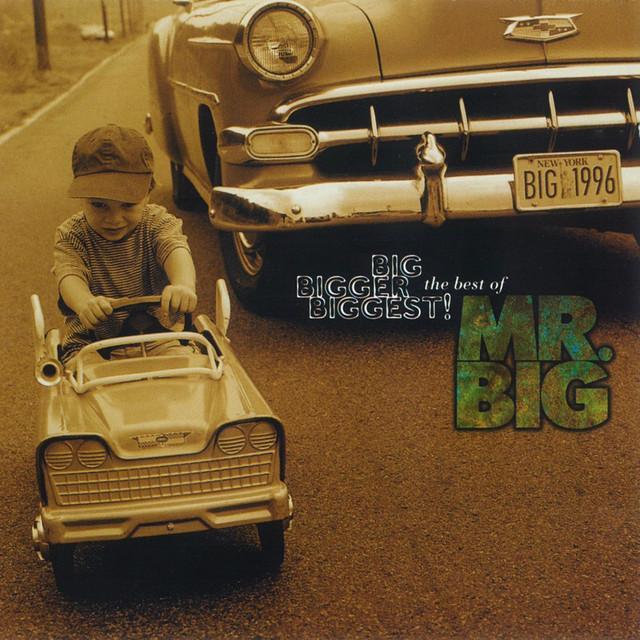
Why "To Be With You" Still Connects
If anyone searches for the meaning of To Be With You Mr. Big, they usually find a song that sounds sweet on the surface and a little more complicated underneath. Mr. Big turned a simple singalong into a story about timing, longing, and the risky promise of being the "better" choice after someone else has failed.
"To Be With You" - Mr. Big
Show me what he's done to you
Stand up, little girl
Loading lyrics...
Unable to load lyrics
We're unable to display the lyrics at this time. Please try again later.
The song appeared on Lean into It and was released as a single in late 1991. It became the band’s biggest hit, reaching No. 1 on the Billboard Hot 100 and topping charts in many other countries, according to its documented chart history and release details in major reference sources.
The Heart of the Song Is Waiting for a Chance
At its core, the song is about a person who sees someone hurt by a bad relationship and steps in with comfort, hope, and a romantic offer. The speaker is not hiding what they want. In the chorus, they plainly admit, wants to be with you
.
That directness is why the song is so memorable. It does not dress up desire in poetic mystery. Instead, it presents love as patience mixed with urgency. The narrator thinks they could treat this person better, and they want their chance now.
Interpretation: That mix is what gives the song tension. It sounds caring, but it also sounds opportunistic. The narrator is compassionate, yet they are clearly trying to turn heartbreak into an opening.
Watch the official To Be With You
music video
A Comforting Voice With a Self-Interested Edge
The first verse starts with reassurance. The speaker tells the hurt person to hold on, little girl
and insists that a broken heart will pass. In plain terms, they are saying: this pain feels huge now, but it will not last forever.
Then the lyric shifts. Instead of just offering support, the speaker quickly moves toward invitation: come here, let me help, let me be the one. That turn matters. It changes the song from simple sympathy into romantic pursuit.
Interpretation: Some listeners hear this as sincere devotion. Others hear a subtle rebound pitch. Both readings fit, and that ambiguity is part of the song’s staying power.
The Chorus Turns Pain Into Hope
The chorus explains why the song feels both tender and restless. When the narrator says they hope you’ll feel it too
, they reveal vulnerability. This is not pure confidence. They want to be chosen, but they do not know if that feeling will be returned.
The most interesting phrase may be next to be with you
. It suggests a line of people, failed romances, and bad timing. The narrator is not imagining a perfect fairy tale. They are waiting their turn.
That makes the song less triumphant than it first appears. Even in its biggest hook, there is uncertainty. The singer is not saying “you are mine.” They are saying, “maybe after all this hurt, I finally have a chance.”
The Meaning of “Greens and Blues”
One of the song’s most debated images is greens and blues
. Because the line is brief and a little unusual, listeners often wonder what it means.
Interpretation: The strongest reading is emotional. “Blues” points toward sadness, while “greens” may suggest jealousy, inexperience, or the ups and downs of romantic waiting. Together, the colors feel like a shorthand for the emotional mess around love.
Whether the phrase is literal or symbolic, its effect is clear: the narrator has been waiting through mixed feelings and bad scenes, hoping to move from observer to partner.
Why the Sound Makes the Message Feel Gentler
Part of the meaning of To Be With You Mr. Big comes from its arrangement. Mr. Big were known as a hard rock band, but this track is famously sparse: acoustic guitar, handclaps, tambourine, light percussion, and close harmonies. That contrast helped the song stand out on Lean into It.
Critics at the time noticed the singalong quality, and later summaries often described it as a campfire-style ballad. That label fits. The production, credited to Kevin Elson, keeps everything open and human-sized rather than oversized and glossy.
This matters because the lyric could feel pushy in a louder setting. In this softer arrangement, the invitation feels warmer. Eric Martin’s vocal helps too. He sounds eager, but not aggressive. The whole performance sells vulnerability instead of conquest.
The Real-Life Backstory Adds Context
Eric Martin has said the song came from his younger years and was inspired by a real girl he cared about but never ended up with. In interviews summarized by reputable music-reference sources, he described wanting to be a kind of “knight in shining armor” for someone whose relationships kept going wrong.
That backstory supports the song’s emotional center: it is not about winning a game so much as longing to be seen differently. The narrator is tired of being close but not chosen.
It also explains why the song feels youthful. The emotions are intense, idealistic, and a little naive in a believable way.
Why It Became Mr. Big’s Signature Hit
The song was not originally meant to be the big breakout single. Reports from band members say radio support grew organically before the label fully pushed it. Once listeners connected with it, the song crossed well beyond hard rock audiences.
That crossover makes sense. The hook is easy to remember, the arrangement is approachable, and the emotional situation is universal: watching someone pick the wrong person and wishing they would notice the one who has been there all along.
The Lasting Takeaway
In the end, the meaning of To Be With You Mr. Big is not just “I love you.” It is “I have been waiting, and I think I could be better for you than the people who hurt you.” That is romantic, but also a little uneasy.
That uneasiness is why the song lasts. It captures the thin line between comfort and desire, patience and impatience, friendship and hope.
Disclaimer: This interpretation separates documented facts from informed reading. Songs can support more than one meaning, and listeners may hear different emotional shades in the same lyric.







