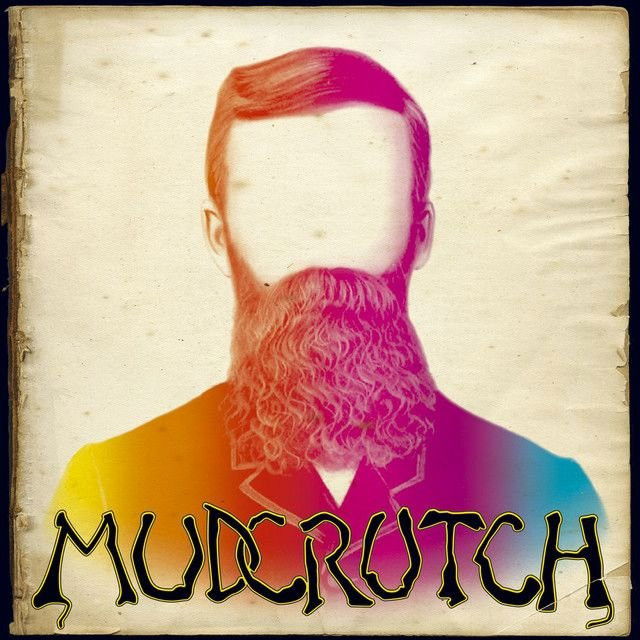
Six Days on the Road by Mudcrutch
Why This Road Song Still Hits Hard
The meaning of Six Days on the Road Mudcrutch comes through fast: it is a working-person song about distance, strain, and the powerful pull of home. The narrator is a long-haul driver pushing through fatigue, rules, and miles because one thing matters most. They want to get back to the person they love.
"Six Days on the Road" - Mudcrutch
I'm rollin' down the Eastern Seaboard
I've got my diesel wound up
Loading lyrics...
Unable to load lyrics
We're unable to display the lyrics at this time. Please try again later.
That simple goal gives the song its force. On the surface, it is about trucks, highways, speed, and timing. Underneath, it is about how labor can wear a person down while love gives the work a purpose.
The song itself predates Mudcrutch. It was written by Earl Green and Carl Montgomery, first recorded by Paul Davis in 1961, and became a major hit through Dave Dudley in 1963, where it reached No. 2 on Billboard’s country chart, according to Wikipedia’s song history. Mudcrutch’s version taps into that same blue-collar spirit while bringing the song into their own roots-rock world.

Watch the official Six Days on the Road
music video
The Core Story Beneath the Chrome
At the center of the lyric is a driver racing time. They are leaving one place, crossing a large stretch of country, and measuring every mile against one promise: see my baby tonight
. That phrase is not just romantic. It is the emotional engine of the whole song.
Each verse adds pressure. The truck is running hard. The road has law enforcement, weigh stations, and deadlines. The body is tired. The logbook is behind. Yet the singer keeps going.
Interpretation: the song turns truck driving into a test of devotion. The driver is not chasing adventure for its own sake. They are enduring the road because reunion feels like survival.
How the Verses Build the Theme
Work, risk, and pride
The opening lines establish motion and confidence. The truck is described almost like a partner, and the road feels competitive. Short phrases such as Eastern Seaboard
and speed zone ahead
place the story in a real, working America, not an abstract dream world.
That realism matters. The song is full of trade details: gears, overdrive, weigh stations, and hauling limits. These details make the narrator believable. They also show pride in skill. This driver knows the machine, knows the system, and knows how to keep moving.
Fatigue without self-pity
The lyric also admits how punishing the job is. The controversial phrase little white pills
points to a harsh truth about trying to stay awake on endless drives. It is not framed as glamorous. It sounds more like a sign of exhaustion and pressure.
That is one reason the song feels tougher than many simple road anthems. It includes freedom, but it also includes cost.
Nothing bothers me tonight
Dodge them scales all right
This brief moment captures the driver’s attitude. They are stressed, but they refuse to sound defeated.
Love Is the Destination, Not the Highway
A lot of road songs make motion itself seem like the goal. This one does something different. The road is only the obstacle between the narrator and home.
That is clearest in the verse where the singer says there may be other options on the road, but they will not betray the person waiting back home. In plain terms, the lyric contrasts temporary comfort with real loyalty.
Interpretation: this is why the chorus lands so strongly. Repeating six days on the road
does more than mark time. It makes listeners feel how long those six days are. By the time the line circles back again, the promised reunion feels earned.
What Mudcrutch Brings to the Meaning
Mudcrutch, the band closely tied to Tom Petty’s early musical life, built its reputation on earthy American rock textures, as outlined in the band’s career overview. In a song like this, that background matters.
Their approach likely highlights the tune’s bar-band toughness rather than polished Nashville shine. The guitars, steady drums, and driving tempo support the lyric’s forward motion. Even without ornate production, that kind of arrangement can do a lot of meaning-making: it makes the listener feel the wheels turning.
The song works best when it sounds lived-in. A slightly rough vocal, a persistent beat, and a no-frills groove all reinforce the narrator’s character. This is not a dreamy poet. This is someone trying to get through one more punishing trip.
Sound and Image Working Together
The imagery is mechanical and physical. There is smoke, weight, speed, and long-distance strain. The rig is described with affection, even when it is aging. The truck may be worn, but it still moves.
That image mirrors the driver. They are tired, maybe overworked, maybe running on nerve as much as rest. But they keep going. In that sense, the truck becomes a symbol of working-class endurance.
Critics have long heard that mix of toughness and fatigue in the song. Country historian Bill Malone said Dave Dudley’s famous recording captured the boredom, danger, and swagger of long-haul driving. That context helps explain why the song lasted: it does not flatten truckers into heroes or victims. It shows both grit and wear.
Why the Song Endures
Part of the song’s staying power is its balance. It is specific enough to feel real, yet broad enough to connect with anyone who has worked long hours for someone they love. A truck driver is the narrator, but the emotion is universal.
It also honors labor without pretending labor is easy. The road is lonely. Rules are frustrating. Time stretches. Desire keeps the driver moving.
So the meaning of Six Days on the Road Mudcrutch is not just about travel. It is about commitment under pressure. It is about how love can turn a brutal trip into a mission.
Final Take on the Song’s Meaning
In the end, the song celebrates endurance more than escape. Its hero is not trying to disappear into the highway. They are trying to come back from it.
That is why the final feeling is so satisfying. Home appears, the miles finally mean something, and happiness sounds honest instead of sentimental.
Disclaimer: This interpretation is based on the lyrics, known song history, and musical context. As with any song, listeners may hear meanings that differ from this reading.







