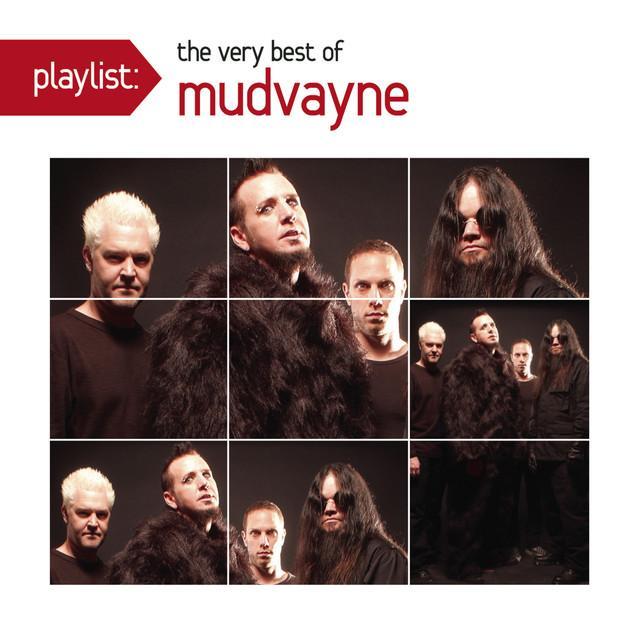
Why 'Happy?' by Mudvayne Still Hits Hard
The meaning of Happy? Mudvayne comes down to a simple but brutal idea: someone is in deep emotional pain, and they are asking whether another person is satisfied now that the damage is done. The song is not really about happiness at all. It uses that word like a weapon.
"Happy?" - Mudvayne
The dead are rolling over
In this hole, thickening
Loading lyrics...
Unable to load lyrics
We're unable to display the lyrics at this time. Please try again later.
Released as a single from Lost and Found in 2005, “Happy?” became one of Mudvayne’s best-known songs. The band—Chad Gray, Greg Tribbett, Ryan Martinie, and Matt McDonough—wrote it together, and it helped push the album into the mainstream metal and hard rock conversation.
The Real Wound Under the Title
At first glance, the title sounds almost sarcastic, and that is exactly the point. The lyrics describe a person who feels buried, stripped down, and emotionally cornered. When the chorus asks if someone is happy now, it sounds less like a question and more like an accusation.
The opening image, in this hole
, matters right away. It suggests depression, isolation, and being trapped inside the self. The speaker does not just feel sad; they feel buried alive inside their own pain.
Interpretation: The song can be heard as speaking to an abusive or manipulative person. It can also be read more broadly as a response to anyone who keeps pushing, judging, or breaking someone down until there is almost nothing left.

Watch the official Happy?
music video
How the Verses Build a Mental Breakdown
The verses keep returning to images of burial, damage, and pressure. The language is physical, but the struggle feels emotional. That mix is important because Mudvayne often turns inner pain into body imagery, making mental suffering feel raw and visible.
Short phrases like scars keep ripping open
and hands slip off the wheel
suggest two kinds of collapse at once. First, old wounds are not healing. Second, the speaker is losing control.
That makes the song feel bigger than a single fight. It sounds like the result of repeated harm. The person at the center has been worn down over time, not just hurt once.
A quick narrative of the song
- The speaker starts in a closed, buried emotional state.
- Pressure rises until old pain opens again.
- The chorus turns that pain outward in blame.
- By the end, the speaker sounds emptied out and nearly destroyed.
This progression is why the song feels so intense. It moves from inward suffering to direct confrontation.
Why the Chorus Feels Like a Reckoning
The chorus is the heart of the song’s meaning. The repeated demand—happy now
—frames the whole track as a bitter challenge. The speaker is not asking for comfort. They are asking whether the other person got what they wanted.
One short section captures that emotional turn:
Tear me from myself
Are you feeling happy now?
Before and after that moment, the lyrics describe being pulled apart layer by layer. The question then lands with extra force. It implies that the damage is not accidental. Someone has watched it happen, or caused it, or both.
Interpretation: This is why many listeners connect the song to emotional abuse, betrayal, or toxic relationships. The chorus sounds like the final moment when suffering stops being hidden and becomes a direct charge.
Symbols of Burial, Skin, and Self
Several images repeat across the song, and each one adds to the same theme.
The hole
The hole is the central symbol. It can mean depression, entrapment, shame, or emotional isolation. It also suggests being cut off from light, help, and movement.
Peeling and tearing
Phrases like peel me from the skin
make the pain feel invasive. This is not surface-level sadness. It feels like identity itself is being ripped apart.
Exhaustion and emptiness
By the end, the speaker is not only angry but drained. The song closes in a place of near-total loss, which makes the title even more cutting.
How Mudvayne’s Sound Carries the Meaning
The meaning of Happy? Mudvayne is not only in the words. It is also in how the band plays them. Mudvayne came out of the heavier end of early-2000s alternative metal, but “Happy?” balances aggression with a cleaner, more radio-ready structure than some of their earlier work.
The guitar riffing is tight and forceful, while the rhythm section gives the song a lurching, pressurized feel. Ryan Martinie’s bass style, long praised by metal fans, helps create tension underneath the riffs. Chad Gray’s vocals are especially important: he shifts between melody and a ragged bark, which mirrors the song’s swing between hurt and rage.
That contrast is why the track connects so well. It is heavy, but it is also hook-driven. The band makes pain sound both personal and explosive.
Artist Context Matters Here
Mudvayne built their reputation on technical playing, intense visuals, and emotionally direct songs. By the time Lost and Found arrived, they were refining that chaos into something more accessible without losing their edge.
“Happy?” stands out because it channels the band’s anger into a focused emotional scenario. Instead of abstract darkness, it gives listeners a clear emotional question: what happens when someone is pushed down so many times that all they can do is throw the pain back at the source?
That clarity helped the song reach beyond core metal listeners. It is harsh, but easy to understand.
The Lasting Meaning of "Happy?"
In the end, the meaning of Happy? Mudvayne is about emotional destruction turning into confrontation. The song captures the moment when a person stops silently absorbing hurt and finally asks whether the one behind it is satisfied.
That is why the song still hits. It gives anger a shape, depression a voice, and resentment a sharp, unforgettable hook.
Disclaimer: This interpretation is based on the lyrics, the song’s sound, and publicly known band context. Like many heavy songs, “Happy?” can support more than one valid reading.








