
Why MCR's 'Na Na Na' Feels Like a Riot
The meaning of Na Na Na (Na Na Na Na Na Na Na Na Na) My Chemical Romance comes down to one big idea: freedom can sound messy, reckless, and joyful when it fights back against control. Released in 2010 as the lead single from Danger Days: The True Lives of the Fabulous Killjoys, the song launched a new era for the band, trading gothic drama for neon punk speed and comic-book rebellion.
"Na Na Na (Na Na Na Na Na Na Na Na Na)" - My Chemical Romance
The aftermath is secondary
It's time to do it now and do it loud
Loading lyrics...
Unable to load lyrics
We're unable to display the lyrics at this time. Please try again later.
Factually, it was the first single from Danger Days, written by Gerard Way, Ray Toro, Frank Iero, Mikey Way, and Bob Bryar, and produced by Rob Cavallo with the band. It also became a key reset point after earlier album sessions were abandoned, with Gerard Way saying it gave the group the momentum to make the record they really wanted.
The Real Target: Control Dressed as Fun
On the surface, the song sounds like pure adrenaline. The guitars crash in, the hook is huge, and the repeated chant feels designed for a crowd. But the lyrics are not random. They build a world where rebellion is both necessary and performative.
The opening idea, The future is bulletproof
, sounds bold and heroic. But the lines around it quickly turn that confidence into something more unstable. This is not a calm revolution. It is loud, desperate, and a little unhinged by design.
Interpretation: the song frames resistance as a response to a society that sells safety, image, and obedience. In the Danger Days world, Battery City represents that clean, controlled system. Gerard Way described the album as an allegory rather than a strict narrative, with the safe city and dangerous outside zones reflecting the tradeoff between comfort and freedom.
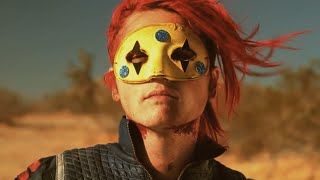
Watch the official Na Na Na (Na Na Na Na Na Na Na Na Na)
music video
How the Verses Turn Desire Into Satire
One of the smartest things in the song is how it uses cravings as symbols. When the singer demands Gimme drugs
and later asks for love in the same grasping tone, the point is not simple confession. The song blurs addiction, romance, consumer hunger, and survival into one voice.
That matters because the track keeps asking what people are taught to want. Money, chemical escape, approval, image, more noise, more action: all of it piles up until the appetite feels absurd. The lyrics sound like they are mocking a culture that markets everything, even rebellion.
There is also a theatrical quality to lines like shut up and sing it with me
. The command pulls listeners in while poking fun at mass participation. The song wants a gang chant, but it also knows slogans can be empty. That tension gives it bite.
Battery City, Killjoys, and the Comic-Book Lens
The song makes even more sense in the visual and story world around it. Danger Days introduced the Killjoys, colorful outlaws moving through a desert beyond Battery City. The music video, co-directed by Gerard Way and Roboshobo, turns the song into a chase between anti-corporate rebels and agents of a controlled future.
That backdrop helps explain why the lyrics jump between cartoon violence, jokes, and dystopian imagery. Gerard Way called the song one of his most direct lyrical statements, but he also compared it to a Saturday-morning cartoon theme. That mix is the key. The track is serious about rebellion, yet it expresses that seriousness through bright, exaggerated, almost comic-book language.
Everybody wants to change the world
But no one, no one wants to die
This is the song’s clearest thesis. It strips away all the style for one blunt truth: people love the idea of change until change asks for risk.
What the Chorus Really Does
The endless na na na
hook may seem silly, but it is central to the meaning. Gerard Way reportedly called the track intentionally dumb in one sense, as a way of refusing genre traps and making something immediate and fun.
That does not make it shallow. It makes it strategic. The chant turns the song into a communal weapon. Anyone can shout it. Everyone can join it. In a song about revolt, that matters.
Critics also noted how the repeated vocal pattern mirrors the guitar hook. That musical echo makes the whole track feel like one unstoppable motion, almost like an alarm siren turned into a party chant.
Why the Sound Matters as Much as the Words
Production is a huge part of the song’s message. It opens with a hard, ferocious riff and rarely lets up. The drums push forward, the guitars feel jagged and glam at the same time, and Gerard Way sings with a mix of sneer, panic, and excitement.
This is where the song separates itself from the heavy theatricality of The Black Parade. Instead of grand mourning, it goes for speed, color, and impact. Reviewers at the time heard shades of punk, garage rock, glam, and arena rock. That blend supports the lyrics perfectly: this is resistance as motion.
Even the spoken-word breakdown feels important. It widens the world, bringing in children, institutions, pills, neon, and ruin. The imagery gets stranger and darker there, suggesting that beneath the song’s bright chaos sits real damage.
A Few Strong Ways to Read It
There is more than one valid reading of the track:
- Political reading: it mocks systems that demand obedience and polished conformity.
- Music-industry reading: it fits Gerard Way’s idea of Danger Days as an allegory about the state of music and the need for rock to reclaim space.
- Personal reading: it captures the moment when a person chooses wild honesty over numb safety.
All three work because the song thrives on overload. When it says Make no apology
, it sounds like a slogan for the Killjoys, the band, and the listener all at once.
The Lasting Meaning of “Na Na Na”
The meaning of Na Na Na (Na Na Na Na Na Na Na Na Na) My Chemical Romance is not just rebellion for rebellion’s sake. It is about the thrill and danger of refusing a deadened life. The song knows revolt can look ridiculous. It embraces that anyway.
That is why it still lands. It is catchy enough to feel playful and sharp enough to feel urgent. My Chemical Romance turned nonsense syllables into a battle cry.
Disclaimer: This interpretation combines documented artist context with critical reading of the lyrics and sound. As with any song, listeners may hear different meanings in it.







