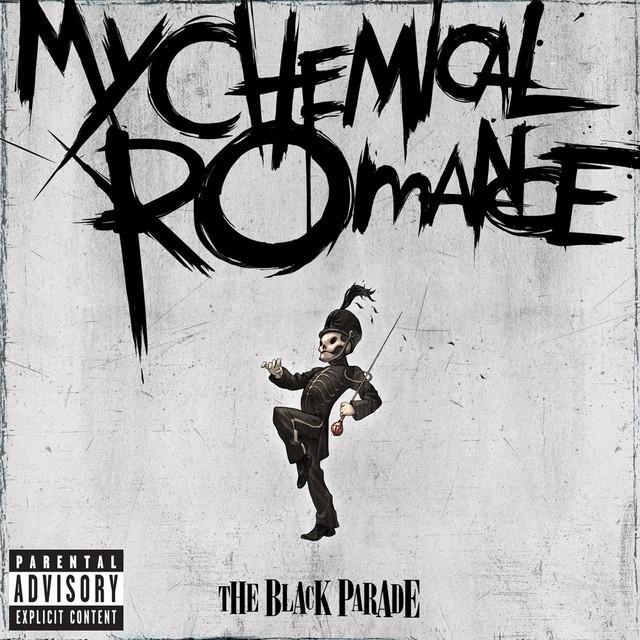
Why "Sleep" by My Chemical Romance Still Disturbs
The meaning of Sleep My Chemical Romance is rooted in terror that will not switch off. The song does not treat sleep as rest. It treats sleep as a place where guilt, violence, memory, and fear come back stronger.
"Sleep" - My Chemical Romance
It feels like as if somebody was gripping my
They're theses terrors and its like
Loading lyrics...
Unable to load lyrics
We're unable to display the lyrics at this time. Please try again later.
On The Black Parade, My Chemical Romance built a world around death, regret, and performance. "Sleep" fits that world perfectly, but it also feels painfully personal. Its opening spoken section describes night terrors in plain, frightening language, which gives the song a raw sense of lived panic.
A Nightmare Instead of Rest
At its core, "Sleep" sounds like someone trapped between exhaustion and dread. They want peace, but every attempt to rest opens the door to worse visions. Early on, the voice describes these terrors
and the feeling of a hand at the throat. That image turns sleep into suffocation.
Interpretation: the song is less about bedtime than about what the mind does when trauma is left unresolved. Rather than healing, the night becomes a replay chamber. The repeated plea to just sleep
sounds almost cruel, as if rest is being forced on someone who knows what waits behind closed eyes.
Watch the official Sleep
music video
Guilt, Defiance, and Emotional Numbness
One reason the song hits so hard is its split personality. Part of the speaker sounds scared and overwhelmed. Another part sounds cold, almost proud, insisting there is no remorse. When the lyric says I don't feel bad
, it does not feel calm or healthy. It feels defensive.
That matters because the song keeps moving between confession and denial. The speaker seems haunted by what they have seen and possibly done, yet they push away sympathy. The line about being undeserving of your sympathy
suggests shame, but it is delivered with anger instead of vulnerability.
Interpretation: this could be a portrait of trauma hardening into self-protection. If they refuse comfort first, then nobody else gets to judge or abandon them. In that reading, bravado becomes a mask for damage.
How the Chorus Turns the Knife
The chorus is where the emotional conflict becomes clearest. The words ask how anyone could still cry for the speaker while they claim not to care. Then the farewell image arrives: kiss me goodbye
. It sounds intimate, but also final.
That is why the hook feels bigger than a simple breakup or death scene. It mixes tenderness, self-loathing, and surrender. The command to sleep can sound like escape, but it can also sound like erasure.
Wake up
Wake up
And I can't ever wake up
This brief ending twist changes the whole song. What seemed like a command to rest becomes a prison. Sleep is no longer chosen; it is a trap the speaker cannot leave.
The Hardest Part Is What Follows You
One of the song's most revealing ideas is that the worst pain is not only what happened, but what stays alive afterward. The lyric about dreams and the later line about awful things seen both point to memory as an ongoing injury.
Then the song gives a vivid clue: flames and loved ones dying. It never explains whether these are literal memories, nightmares, or symbolic visions. That ambiguity is powerful. They feel real enough to wound, and that is what matters.
For listeners searching for the meaning of Sleep My Chemical Romance, this is the center: the song captures how trauma can blur the line between event and replay. The body is in bed, but the mind is still in danger.
Why the Sound Feels So Unstable
The production helps carry that meaning. "Sleep" was written by Gerard Way, Mikey Way, Ray Toro, Frank Iero, and Bob Bryar, and produced by Rob Cavallo for the 2006 album The Black Parade. Musically, it moves from eerie quiet to full collapse.
The opening audio feels documentary-like, which makes the fear immediate. From there, the band builds with tense guitars, pounding drums, and vocals that go from intimate to shredded. The arrangement keeps tightening like a nightmare escalating in stages.
The instruments mirror panic
A few choices stand out:
- The spoken intro sounds unguarded, almost like evidence.
- The guitars swell instead of soothing, adding pressure.
- The drums hit with a marching force that fits the Black Parade's theatrical world.
- Gerard Way's vocal shifts make the speaker sound split between control and breakdown.
That combination explains why the song feels so physical. They do not only describe fear. They make listeners feel its pulse.
More Than Horror: A Black Parade Theme
Within the album's larger story, "Sleep" also works as a chapter about spiritual collapse. The Black Parade often stages death as spectacle, but this track strips away glamour. It shows the private cost: dread, intrusive images, and emotional corrosion.
Interpretation: the song may also reflect a fear of becoming monstrous through suffering. References to saviors, madmen, monsters, and tyranny suggest a world where moral lines have broken down. In that setting, sleep is where the speaker meets the self they most fear.
The Lasting Meaning of "Sleep"
The meaning of Sleep My Chemical Romance lies in its portrait of a mind at war with itself. It is about nightmares, but also about guilt, numbness, and the terrible endurance of memory. Its heaviest moments come from how often tenderness and violence sit side by side.
That is why the song still unsettles people. It turns a basic human need into a scene of panic and turns a rock performance into something almost claustrophobic.
Disclaimer: This interpretation is based on the lyrics, official credits, and widely available album context. As with any song, listeners may hear different meanings in "Sleep."








