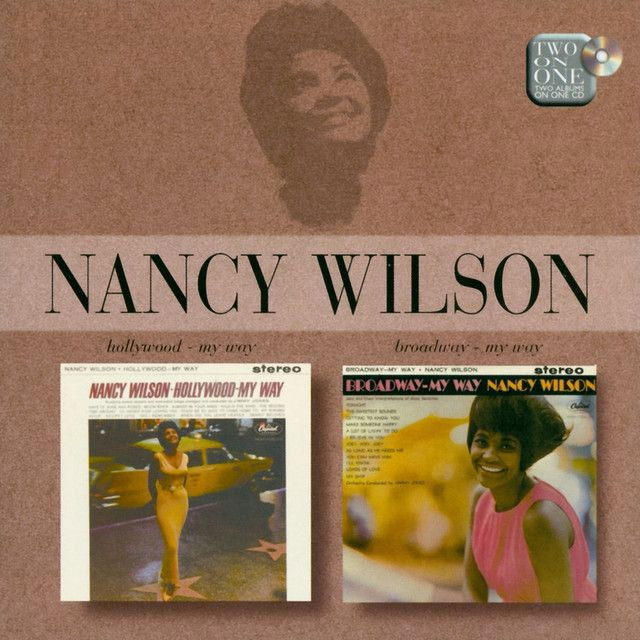
Why 'The Second Time Around' Feels Wiser
The meaning of The Second Time Around Nancy Wilson comes down to one simple idea: love can be better when it arrives later, after experience has changed a person. This is not a song about wild passion or youthful drama. It is about calm joy, gratitude, and the surprise of discovering that romance may feel richer the next time.
"The Second Time Around" - Nancy Wilson
Just as wonderful with both
Feet on the ground
Loading lyrics...
Unable to load lyrics
We're unable to display the lyrics at this time. Please try again later.
Often linked to the Great American Songbook, the song was written by Sammy Cahn and Jimmy Van Heusen and first gained wide attention through the 1960 film High Time, where it was introduced by Bing Crosby. Nancy Wilson later brought it into her own vocal world, a space where jazz phrasing and pop clarity could live together. Her broader career as an acclaimed singer across jazz, pop, and standards is well documented by the Rock & Roll Hall of Fame and Encyclopaedia Britannica.
A Love Song About Growing Up
At its core, the song says that love is not only for the young. In fact, it hints that youth may not fully understand love’s value. That idea appears in the famous line about love, like youth, being wasted on the young
. Before that phrase, the song has already set up its main contrast: first love can be dreamy and unstable, while later love feels grounded and real.
The opening thought is direct. Love is lovelier the second time around
. That does not mean the first time was false. It means the second experience comes with better judgment. The next line pushes that idea further by placing love with feet on the ground
. In plain terms, romance is still beautiful, but now it is mixed with realism.
Watch the official The Second Time Around
music video
How the Song Builds Its Message
The lyric moves in a clear emotional sequence:
- It starts by saying later love is sweeter.
- It explains that maturity makes love feel safer.
- It wonders how such a gift happened at all.
- It ends in gratitude for this unexpected reunion.
That structure matters. The song begins with confidence, then becomes reflective, then almost amazed. By the end, it feels like a thankful confession rather than a grand declaration.
The Home Image Says Everything
One of the song’s smartest touches is its use of comfort instead of fire. Rather than describing romance as dangerous or overwhelming, it says love is more comfortable
the second time and compares it to a familiar home. That image changes the entire emotional temperature of the song.
A home is safe, known, and welcoming. So the song suggests that mature love is not weaker because it is calmer. It may actually be stronger. The people in the song do not need chaos to prove their feelings. They already know what loneliness, disappointment, or missed timing can feel like. Because of that, simple closeness now means more.
A Brief Lyric Moment, Big Emotional Payoff
The song’s emotional center arrives when it shifts from general ideas about love to the specific bond between two people:
Who can say what brought us
To this miracle we've found?
There are those who'll bet
Love comes but once
These lines suggest wonder more than certainty. The singer does not fully explain fate, timing, or coincidence. They simply accept that something rare has happened. The word “miracle” matters because it frames the relationship as a gift, not an achievement.
Interpretation: This is why the song still works so well. It balances wisdom with humility. It says later love may be better, but it also admits no one can fully control when real connection appears.
Why Nancy Wilson’s Version Lands So Well
Nancy Wilson’s strength as a singer was emotional control. She did not have to oversing to make a song feel important. In a standard like this, that quality is crucial. A huge, dramatic performance could turn the song into a sermon. Wilson’s style makes it sound personal.
Her phrasing gives the lyric room to breathe. Instead of pushing the message, she lets it unfold gently. That mirrors the song’s theme: mature love is not frantic. It is settled. Her timing, warmth, and clean diction help listeners hear the song as lived experience rather than fantasy.
From a production standpoint, this kind of standard usually works through soft swing or ballad pacing, supportive orchestration, and a clear spotlight on the vocal. Those choices matter because the arrangement avoids conflict. The music surrounds the singer like a cushion, reinforcing the lyric’s sense of security and ease.
The Deeper Meaning Beneath the Romance
The meaning of The Second Time Around Nancy Wilson can also be read beyond romance. The song may speak to second chances in general. A later attempt at love becomes a symbol for any renewed beginning made with more self-knowledge.
Interpretation: Some listeners may hear the song as a reunion between former lovers. Others may hear it as two people who met after separate pasts. The lyric leaves room for both readings. What stays constant is the idea that experience has improved their ability to love.
That is why the final feeling is not regret. It is relief. The song does not dwell on lost years. It focuses on what has finally been found.
Why the Song Endures
Many love songs celebrate the first spark. This one honors what comes after illusions fade. It argues that tenderness, trust, and emotional steadiness are not lesser forms of love. They may be the most meaningful kind.
That is the lasting appeal of this standard and of Nancy Wilson’s reading of it. They make maturity sound romantic. They suggest that a heart can be hopeful without being naïve.
In the end, the song says love does not lose value with time. For some people, time is exactly what teaches them how to receive it.
Disclaimer: This interpretation is based on the lyrics, performance style, and known song history. As with any standard, individual listeners may hear slightly different meanings.








