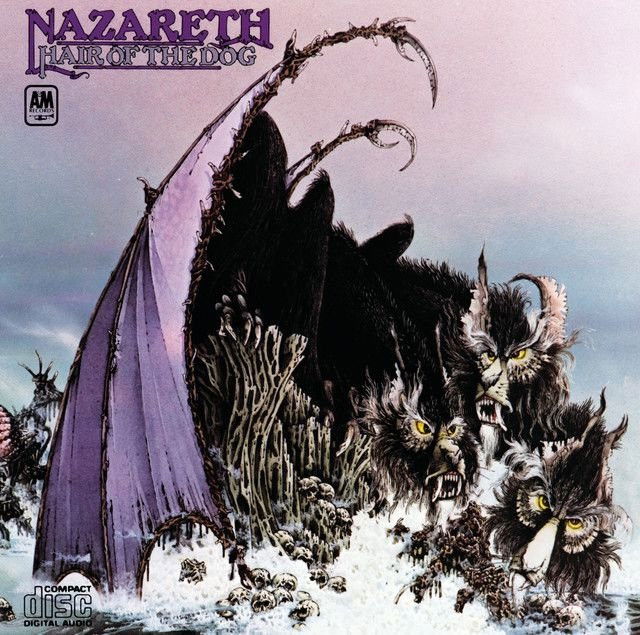
Hair Of The Dog by Nazareth
Nazareth turned a blunt hard-rock hook into a showdown song about seduction, reputation, and refusing to be used.
"Hair Of The Dog" - Nazareth
Provided by LyricFindHeartbreaker, soul shaker
I've been told about you
Steamroller, midnight shoulderLoading...Loading lyrics...
Unable to load lyrics
We're unable to display the lyrics at this time. Please try again later.
Why the meaning of Hair Of The Dog Nazareth still hits
The meaning of Hair Of The Dog Nazareth is not about curing a hangover, even though the title makes many listeners think of that phrase first. The song is really a hard, swaggering warning aimed at someone seen as dangerous, charming, and manipulative.
Released on Nazareth’s 1975 album Hair of the Dog, the track became one of the band’s signature songs. According to reporting from American Songwriter, the band’s original title idea was more provocative, and the final title was partly a workaround after label concerns. That backstory matters because the song’s whole identity is built on provocation, attitude, and challenge.
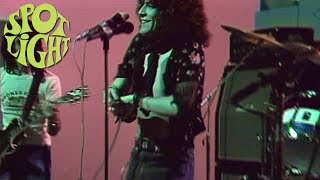
Watch the official Hair Of The Dog
music video
A face-off, not a love song
At its core, the song describes a person with a bad reputation. The opening labels them with quick, cutting names like Heartbreaker
and soul shaker
. Those phrases are not romantic here. They frame the addressee as someone who leaves damage behind.
The next set of images keeps building that case. When the singer calls this person a steamroller
and a velvet charmer
, the song mixes force with seduction. That pairing is the key idea: this is someone who can attract people and flatten them at the same time.
Interpretation: Many listeners hear the song as being about a femme fatale figure, someone who has used men before and expects to do it again. That reading fits the lyrics and also matches the summary given by American Songwriter, which describes the song as a manipulative woman meeting her match.
How the verses build the threat
The song does not tell a full story with detailed scenes. Instead, it works by stacking accusations and nicknames. That gives it the feel of a public reckoning.
The first verse: reputation arrives first
The singer says they have heard stories already. That means this person’s reputation enters before they do. The line of thought is simple: others warned them, and now the warnings seem true.
This makes the song feel less like sudden heartbreak and more like a deliberate stand. The singer is not shocked anymore. They are prepared.
The second verse: refusing to be trapped
Later, the song uses the phrase poison ivy
to suggest someone clingy, irritating, and harmful. The image is smart because poison ivy is easy to brush against but hard to forget. In the same section, the singer insists they can see through the act.
That is the turning point. The verses move from naming the threat to resisting it.
Why the chorus is the real message
The chorus is less about description and more about power. The repeated line featuring son of a bitch
is the song’s central flex. It tells the other person that they are no longer dealing with an easy target.
In plain terms, the chorus says: you may have pushed people around before, but not this time. That is why the repetition matters. It feels like drawing a boundary over and over until there is no confusion left.
Now you're messin' with a
son of a bitch
That short burst contains the whole emotional payoff. After all the warnings in the verses, the hook becomes a declaration of resistance.
The sound makes the warning believable
Nazareth were a Scottish hard rock band known for mixing rough-edged riffs with Dan McCafferty’s gritty vocal attack. On this track, the music does a lot of meaning-making on its own.
The guitar riff is thick, repetitive, and aggressive. The drums hit with a stomp rather than a swing. Everything is built to sound tough, not subtle. That matters because the lyric is basically a showdown, and the arrangement turns it into one.
McCafferty’s voice is especially important. He does not sound heartbroken or confused. He sounds hoarse, amused, and ready for a fight. That vocal posture keeps the song from feeling wounded. Instead, it feels defiant.
Context behind the title and its image
One reason the song stays memorable is the gap between its title and its real subject. The phrase “hair of the dog” comes from the saying “hair of the dog that bit you,” which has long been linked to folk belief and later to hangover talk. But this song uses the phrase more as a loaded title than a literal topic, as noted by American Songwriter.
That mismatch may have helped the song last. The title invites one idea, but the performance delivers another: a dirty, swaggering warning shot.
A hit built on attitude
Factually, the song appeared on Nazareth’s sixth album, Hair of the Dog, in 1975. The same American Songwriter piece notes the album reached No. 17 on the Billboard 200, and the track later became one of the band’s best-known rock songs in the U.S.
That success makes sense. Even listeners who never study the lyrics can feel what the song is doing. It is direct, rude, funny, and strong in a way that hard rock often aims for but does not always achieve.
Final take: a warning with swagger
The meaning of Hair Of The Dog Nazareth is best understood as a battle for control. The singer faces someone seductive and destructive, names the pattern, and pushes back with force.
Interpretation: Some listeners may hear gendered conflict; others may hear a broader anthem about refusing manipulation of any kind. Both readings work because the song’s core message is simple: charm is not the same as power, and the narrator will not be fooled.
Disclaimer: Song meaning is always part fact, part interpretation. The reading above is based on the lyrics, the song’s musical choices, and published reporting on the track’s context.








