Old Man by Neil Young: Youth Meets Its Future
The meaning of Old Man Neil Young comes down to a simple but powerful idea: youth and old age are not as different as they seem. In one of Neil Young’s warmest and most reflective songs, they sing to an older figure while quietly admitting that the same fears, needs, and hopes already live inside them.
"Old Man" - Neil Young
I'm a lot like you were
Old man, look at my life
Loading lyrics...
Unable to load lyrics
We're unable to display the lyrics at this time. Please try again later.
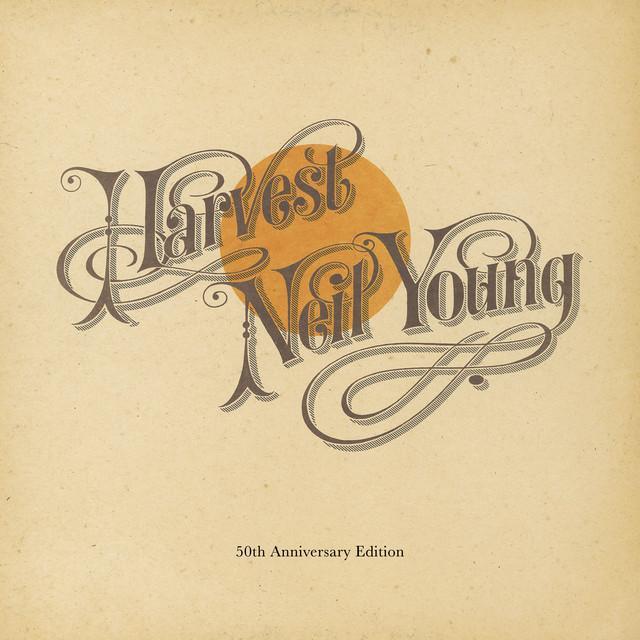
Released on Harvest in 1972, “Old Man” became one of Young’s signature songs and helped define the album’s earthy, intimate mood. It was written by Neil Young, and the song’s roots are often linked to his time on a ranch he bought in Northern California, where he met the caretaker who inspired the setup of the lyric. That background has been widely noted in biographical coverage and album histories, including the Neil Young Archives and Rock & Roll Hall of Fame.
The Heart of the Song: Recognition, Not Distance
At first glance, “Old Man” sounds like a conversation across generations. The singer addresses someone older and seems to study his life from a distance. But the key emotional turn is that they do not stay distant for long.
The repeated idea look at my life
is not a challenge. It is a confession. The singer is asking the older man to see that beneath age, status, and circumstance, they are made of similar emotional material.
That is why the line I’m a lot like you were
matters so much. It suggests that time is a circle more than a straight line. The young person already carries the same loneliness and need for connection that they imagine in the old man.

Watch the official Old Man
music video
Why the Song Feels So Personal
One reason the song still lands so deeply is its honesty about isolation. Even in a beautiful setting, the singer does not sound fulfilled. The phrase live alone in a paradise
sums up the tension: comfort and freedom are present, but emotional peace is not.
That contrast is central to the song’s meaning. Young was young, successful, and living in a dreamlike landscape, yet the lyric admits that external blessings do not solve inner emptiness. The song is less about wealth or age than about the human need to belong.
A second important phrase is love lost, such a cost
. In just a few words, the song suggests that emotional pain leaves a lasting mark. The singer wants something steady and durable, not a life built on chance, ego, or temporary pleasures.
A Chorus About Need, Not Pride
The chorus gives the song its emotional center. Instead of presenting the singer as confident or rebellious, it shows vulnerability. They admit, in plain terms, that they need love and companionship.
That directness matters. Many singer-songwriters of the era wrote about freedom, travel, or self-discovery. “Old Man” does include those themes, but it cuts through them with a simple emotional truth: independence can still feel lonely.
Interpretation: The chorus may be read as a moment when the singer realizes that becoming older is not the real fear. The real fear is living without lasting intimacy. In that reading, the old man becomes a mirror for the singer’s future.
How the Verses Build the Song’s Meaning
The verses move through a few clear emotional beats:
- They compare youth and age.
- They admit that success or beauty does not erase loneliness.
- They reflect on lost love and the desire for something lasting.
- They end by returning to shared human need.
The phrase rolling home to you
is especially important. It gives the song motion and direction. Home here does not just mean a house. It likely suggests a person, a place of trust, or the emotional safety the singer longs for.
The Sound Makes the Message Gentler
Part of what makes “Old Man” so memorable is how naturally the music carries the lyric. On Harvest, Young leaned into a rustic, rootsy sound, and this track blends acoustic textures with a soft country-rock feel. The arrangement is warm rather than dramatic, which keeps the focus on the confession inside the words.
Their vocal performance is also key. Young’s high, slightly fragile voice gives the song a human shakiness. He does not sound like someone delivering a lesson. He sounds like someone realizing something in real time.
That matters for the meaning of Old Man Neil Young because the song is not written as a speech to the elderly. It sounds like a moment of recognition. The gentleness of the acoustic setting helps that recognition feel tender instead of heavy-handed.
Artist Context Helps Explain the Song
Harvest arrived at a time when Young was balancing fame with self-questioning. The album mixed country influences, acoustic intimacy, and reflective writing, and it went on to become his best-selling release, as documented by major music references such as Britannica and the Grammy Awards.
“Old Man” fits that period perfectly. It takes a simple encounter and turns it into a meditation on time, identity, and emotional need. Rather than glorifying youth, the song humbles it.
A Lasting Meaning Across Generations
What keeps “Old Man” alive is its refusal to mock aging or romanticize youth. Instead, it suggests that people remain deeply similar throughout life. They still want love. They still carry regret. They still search for home.
Interpretation: The song’s deepest message may be that maturity starts when a person sees themselves in someone they once thought was completely different. In that moment, sympathy becomes self-knowledge.
For many listeners, that is the enduring power of the song. It is not just about an old man. It is about the day a young person realizes time will change their face, but not their heart.
Disclaimer: This interpretation is based on the lyrics, recording context, and documented background, but song meaning can remain personal and open to different readings.








