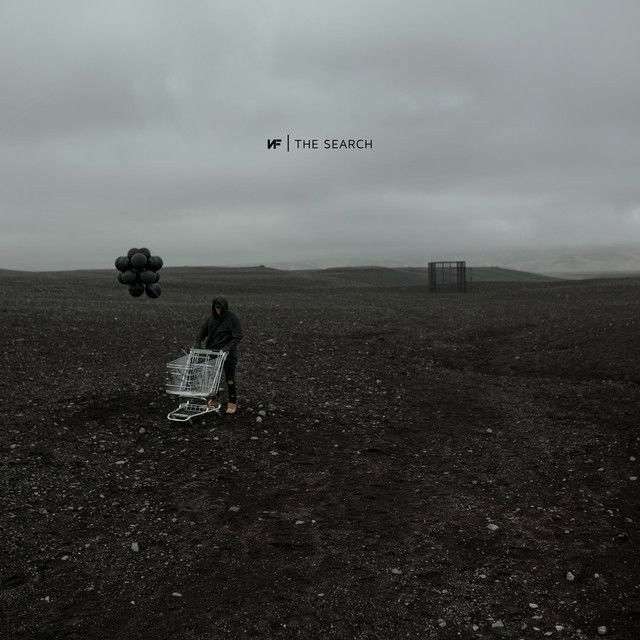
Why NF's 'The Search' Hits So Hard
The meaning of The Search NF comes down to one idea: healing is messy, slow, and deeply personal. Instead of pretending they have found peace, NF presents recovery as an active process. The song is not a victory lap. It is a progress report from someone trying to understand their own mind while carrying pressure, fear, and ambition at the same time.
"The Search" - NF
I don't know, it's alright
I've been dealin' with some things like every human being
Loading lyrics...
Unable to load lyrics
We're unable to display the lyrics at this time. Please try again later.
Released in 2019 as the title track to The Search, the song helped introduce the album’s central themes of anxiety, self-examination, and growth. It was written by Nate Feuerstein and Tommee Profitt, whose long-running creative partnership shaped NF’s cinematic sound and confessional style.
A Mind Talking to Itself
One of the smartest things in the song is its opening. NF begins like a conversation with himself, which immediately makes the track feel private. They are not delivering a polished statement to the world. They are letting listeners overhear a check-in.
That matters because the song’s emotional core is honesty. When NF mentions needing space and time away, they frame burnout as human, not dramatic. The song quickly moves from exhaustion into deeper trouble: a breakdown, therapy, and the sense that something inside needs cleaning out.
When they say I've been searchin'
, the phrase sounds simple, but it carries the whole song. They are searching for clarity, stability, relief, and maybe even self-acceptance. The point is not that they have solved the problem. The point is that they are finally willing to face it.

Watch the official The Search
music video
What the Journey Looks Like
NF turns inner work into physical imagery. They describe moving, clearing space, and sorting what to keep. That language makes abstract feelings easier to picture.
Baggage, keepsakes, and blurred vision
A key line is grabbin' my keepsakes, leavin' my burdens
. Paraphrased, they are trying to separate meaningful memories from the emotional weight that drags them down. It is a strong image because recovery often involves exactly that kind of sorting.
They also admit they are not doing it perfectly. Some burdens still come along. That small admission gives the song credibility. It rejects the neat self-help fantasy that growth happens all at once.
Another telling moment is life gets blurry
. NF suggests that anxiety and stress distort judgment. When fear rises, it becomes hard to read reality clearly. That is why the search feels necessary: they cannot trust every thought that appears in their mind.
Anxiety at Center Stage
The song becomes especially sharp when NF connects private struggle to public performance. They describe walking onstage, seeing the crowd, and feeling fear rise instead of confidence.
This is where the meaning of The Search NF expands beyond personal diary writing. It shows how success does not erase mental strain. Fame may increase pressure instead of curing insecurity.
The quick mention of my thoughts can be dangerous
is one of the song’s clearest warnings. NF is not glorifying those thoughts. They are recognizing how fast the mind can turn against the self.
"Where'd the beat go?" "Drums came in"
That brief moment is famous for a reason. It is playful on the surface, but it also acts like a sonic jump scare. The pause and impact mimic racing thoughts and sudden panic. The production makes the listener feel unstable for a second, which fits the theme perfectly.
Sound That Feels Like Pressure
Tommee Profitt’s production is crucial to the song’s meaning. The track uses pounding drums, dramatic rises, and a trailer-like orchestral mood that has become part of NF’s signature sound. Rather than softening the message, the beat intensifies it.
NF’s delivery does the same thing. They shift from measured reflection to rapid-fire rapping, as if calm thought gets overtaken by mental overload. The technical control is impressive, but it is not just for show. The speed mirrors spiraling thought patterns.
Even the song’s structure feels restless. It keeps moving, swerving between confession, warning, and self-motivation. That constant motion supports the title: this is a search, not a conclusion.
More Than a Mental Health Anthem
The song clearly deals with anxiety and internal struggle, but it also comments on fame, art, and identity. NF notes that rising sales mean little if health is getting worse. That is a direct challenge to the idea that external success equals inner peace.
They also present themselves as unusually self-aware. At times, the song sounds defensive, even confrontational. Interpretation: that edge may reflect a person protecting fragile progress. If someone has fought hard for stability, jokes or dismissal can feel like threats, not harmless comments.
Another layer is artistic identity. NF insists they are distinctive, detailed, and memorable. That confidence sits next to insecurity, which creates tension throughout the track. They are proud of their craft, yet still uncertain about themselves. That contradiction makes the song feel real.
Why the Ending Feels Hopeful
For all its darkness, the song does not end in defeat. NF invites listeners to join the trip, almost like they are saying the chaos has not disappeared, but they are moving forward anyway.
That is why the final feeling is stronger than simple sadness. The search itself becomes hopeful. Growth here is not peace and quiet; it is the decision to keep going while carrying uncertainty.
In the end, the meaning of The Search NF is about confronting what lives inside rather than burying it. The song argues that the mind is powerful, fragile, and worth understanding. Interpretation: its real message is that healing begins when they stop performing wellness and start doing the difficult work of telling the truth.
Disclaimer: This interpretation is based on the song’s lyrics, performance, and public context. As with any art, listeners may hear meanings that differ from this reading.








