The Power Play in ‘Anaconda’ by Nicki Minaj
Nicki Minaj’s 2014 single detonated pop culture with head‑spinning speed: a top‑two Hot 100 peak, a Grammy nomination, and a record‑breaking video. Under the spectacle sits a sharp idea. “Anaconda” isn’t only about curves; it’s about who controls the conversation around them.
"Anaconda" - Nicki Minaj
My anaconda don't want none unless you got buns, hun
Boy toy named Troy used to live in Detroit
Loading lyrics...
Unable to load lyrics
We're unable to display the lyrics at this time. Please try again later.
At its core, the meaning of Anaconda Nicki Minaj is a flip of a once‑male script. By turning a classic sample into a first‑person power move, Minaj reframes desire, money, and visibility on her own terms.
Flipping the Script: What This Track Is Really Saying
Interpretation: “Anaconda” is a response song. Sir Mix‑A‑Lot’s original celebrated women’s bodies from a male vantage point; Minaj answers from inside the woman’s voice. When she chants my anaconda don't
, it functions like a velvet rope—she sets the criteria. The chorus repeats a demand, but the power rests with the speaker.
The verses make that stance practical. She talks deals, gifts, and status, but the underlying transaction is control. Phrases like ain't missing no meals
and something he can grab
reclaim language often used to judge women’s bodies and turn it into swagger and leverage.
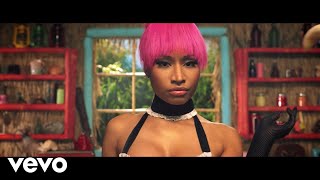
Watch the official Anaconda
music video
Who’s Speaking, and Who’s Getting Schooled
The narrator is Minaj in full boss mode, addressing specific men with cartoonish nicknames—boy toy named Troy
—while she sets rules. The playful call‑and‑response—by the way, what he say?
—keeps attention on her standards, not his.
Interpretation: That framing flips objectification into negotiation. She’s not a passive subject of the gaze; she’s the chooser, pricing her time, deciding what counts, and delivering the punchline.
The Hook, Simplified: Desire as a Gatekeeper
The hook weaponizes catchiness. It’s simple, repetitive, and harder than it looks. The song’s most memed moment pairs a body‑positive chant with a wink:
Little in the middle but she got much back
Oh my gosh, look at her butt
Interpretation: This isn’t just bragging. It mocks how society fixates on bodies, then reclaims that gaze with joy. The refrain’s bounce makes the joke stick, while the criteria—stated by her—stay front and center.
Symbols, Flexes, and the Joke Inside the Flex
- The anaconda: a playful stand‑in for male desire, but also a symbol she tames. Saying
my anaconda don't
treats it like something she commands. - Luxury brands and fast cars: shout‑outs to McQueen, Balmain, a Jag. Interpretation: These are trophies of agency; she dictates terms and gets compensated—material proof of her leverage.
- The “jab”: when she boasts she’ll
hit him with the jab
, it’s comic violence as dominance—a boxing image for lyrical knockout blows. - Exaggeration everywhere: tall tales, wild metaphors, and campy ad‑libs heighten the satire. The silliness is a feature; it exposes how ridiculous—and commercial—our body talk can be.
How the Beat and Video Supercharge the Message
Polow da Don leads production, with Da Internz and AnonXmous adding muscle. The track rides a 124 BPM groove in C# Phrygian, anchored by sub‑heavy kicks and a rubbery bass. The chopped “Baby Got Back” sample functions like a Greek chorus, while Minaj’s cadence pivots between clipped jabs and sing‑song taunts.
Interpretation: The beat’s stop‑start dynamics give Minaj space to posture, crack jokes, and reset the power balance every four bars. Minimal synths and stark drums make the punchlines land.
Visually, the Colin Tilley–directed clip turns twerk into theater. The jungle camp, gym routine, and lap‑dance fake‑out are choreographed to flip the gaze: it invites you to look, then reminds you who’s staging the look. The video’s viral surge and billion‑view milestone show how well the visual satire matched the sonic one.
From Outrage to Accolades: The Culture Reaction
“Anaconda” drew celebration and backlash in equal measure. Some praised its body‑positive stance and humor; others called it crass. The numbers were undeniable: a No. 2 Hot 100 peak, a Grammy nod for Best Rap Song, and a 24‑hour streaming record for its video at the time. Even Sir Mix‑A‑Lot publicly applauded Minaj’s flip, underlining how effectively she modernized his concept.
Interpretation: The split response is part of the artwork. It thrives on tension—between empowerment and commodification, satire and spectacle—and lets Minaj run the show in that gray area.
Two Plausible Readings, One Loud Takeaway
- Empowerment reading: a woman sets sexual terms, profits from them, and laughs while doing it. The hook is permission on her conditions.
- Satire reading: the excess deliberately mirrors—and mocks—the marketplace of bodies in pop culture.
Takeaway: Both readings can be true at once. That’s why the song still provokes, still slaps, and still says more than its punchlines.
Disclaimer: Lyrics and symbolism invite multiple interpretations. This analysis reflects one informed reading based on the recording, credited personnel, and public reception.
Sources
- https://en.wikipedia.org/wiki/Anaconda_(song)
- https://www.billboard.com/music/rb-hip-hop/nicki-minaj-anaconda-returns-to-top-10-6236645/
- https://www.grammy.com/awards/57th-annual-grammy-awards
- https://www.riaa.com/gold-platinum/?tab_active=default-award&ar=Nicki+Minaj&ti=Anaconda
- https://www.rap-up.com/2014/08/19/video-nicki-minaj-anaconda/