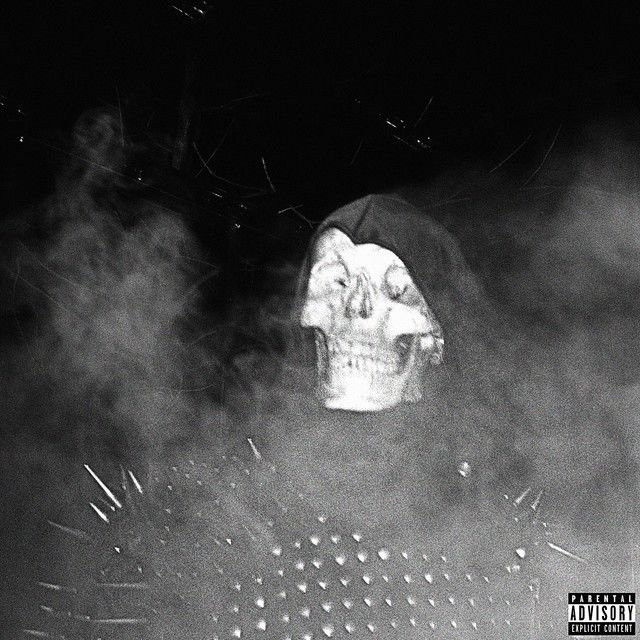
BUMBLE BEE by Night Lovell
The meaning of BUMBLE BEE Night Lovell comes from tension. The song sounds cold and confident, but underneath that surface it points to confusion, shame, and a long search for identity. Rather than telling one neat story, it circles around a damaged relationship with both other people and the self.
"BUMBLE BEE" - Night Lovell
Ayy
I don't like you, why you always try to follow me
Loading lyrics...
Unable to load lyrics
We're unable to display the lyrics at this time. Please try again later.
Night Lovell is known for dark, heavy rap that often blends menace with emotional distance, a style noted across profiles of his work and releases from G59 Records and major streaming artist pages like Spotify. In that context, “BUMBLE BEE” fits well: it uses a tough persona, but keeps letting insecurity leak through.
A Hook About Identity, Not Just Attitude
At first, the opening sounds like rejection. They say I don't like you
, which frames the song as defensive from the start. But the next ideas complicate that stance. The speaker also claims status, affection, and value, almost as if they need to convince both themself and the other person that they matter.
That matters because the hook is not just about hating someone. It is also about needing to be seen. When the song says I've been searching for the truth
, it shifts from swagger into self-examination. The emotional center of the track is not pure aggression. It is a person struggling to figure out who they are beneath performance.

Watch the official BUMBLE BEE
music video
Why the “Bumble Bee” Image Sticks
The key symbol is repeated in I'm a bumble bee
. Interpretation: this image suggests constant motion, irritation, and self-protection. A bee is small, restless, and easy to underestimate, but it also threatens pain if approached carelessly.
That makes the metaphor useful for Night Lovell’s persona. The speaker feels watched, followed, and pressured. Calling themself a bee turns that pressure into identity: they become a creature built to move, react, and survive. It is a strange image, but that strangeness helps the song feel unstable.
There is also a contrast between beauty and danger. Bees are tied to sweetness, and the song ends the refrain with all that you've done
and a soft sweet
. That pairing hints that the relationship being described is both attractive and toxic.
The Relationship Is Messy on Purpose
The verse turns from identity into destructive intimacy. The other person wants drugs, escape, and sensation. The speaker answers with shame, speed, and fantasy, offering a hidden place and promising safety even as the whole scene feels risky.
This is where the song gets more revealing. Instead of sounding fully in control, they sound unstable. A line like I'm fucked up, you fucked up
strips away the earlier grandiosity. It suggests mutual damage, not dominance.
In plain terms, the relationship in “BUMBLE BEE” seems built on three things:
- attraction mixed with resentment
- intoxication as escape
- dependence that neither side trusts
That is why the emotions keep flipping. They reject the other person, then claim them, then ask not to be chased. The contradictions are the point.
How the Chorus Reframes the Whole Song
The chorus does the heavy lifting. Each time it returns, it joins ego and vulnerability in the same breath. The speaker says they are important, desired, even royal, but also admits emotion has forced its way inside them.
Interpretation: the hook may be showing a split self. One side wants control and admiration. The other is still the kid who never found stable truth. That childhood reference is brief, but it may be the song’s most important clue, because it makes the chaos feel old, not temporary.
So the chorus is not just catchy repetition. It acts like a confession hidden inside a flex.
The Sound Makes the Meaning Heavier
Even without detailed public production credits, the track’s style is easy to place within Night Lovell’s catalog: slow, bass-heavy, gloomy, and hypnotic, consistent with his broader sound on releases documented by Apple Music and Genius artist pages. That matters because the production reinforces emotional numbness.
The beat leaves space around the voice, which makes each phrase feel isolated. Instead of racing forward, the song drags itself through a haze. That gives the lyrics more weight. Bragging lines do not feel triumphant; they feel drained.
Their delivery also helps. Night Lovell often uses a deep, almost detached vocal tone. Here, that kind of performance makes the speaker seem emotionally shut down, even when the words reveal need. The gap between tone and content is a big part of the song’s impact.
Two Strong Readings of the Song
A portrait of self-loathing in disguise
Interpretation: one reading is that the song is mostly inward. The “you” may be a real person, but it can also stand for pressure, addiction, or the parts of the self the speaker hates. In that reading, being followed is really about being unable to escape one’s own mind.
A toxic love song with a cracked ego
Interpretation: another reading is more literal. The song may describe two people trapped in a cycle of lust, blame, and emotional dependency. In that version, the speaker acts dominant because the relationship makes them feel weak.
Both readings work because the lyrics never fully settle. That ambiguity is part of the design.
Why “BUMBLE BEE” Connects
The meaning of BUMBLE BEE Night Lovell lasts because it captures a familiar modern feeling: using style, irony, and hardness to cover deeper confusion. The song is dark, but it is not empty. It keeps asking what happens when someone builds their identity around defense.
In the end, “BUMBLE BEE” sounds less like a victory lap than a warning sign. It shows a person who wants power, closeness, and truth, but cannot hold them together for long.
Disclaimer: This interpretation is based on the released lyrics, performance, and publicly available artist context. As with most songs, some meanings remain open to listener interpretation.







