Why 'Good Morning Baltimore' Feels So Hopeful
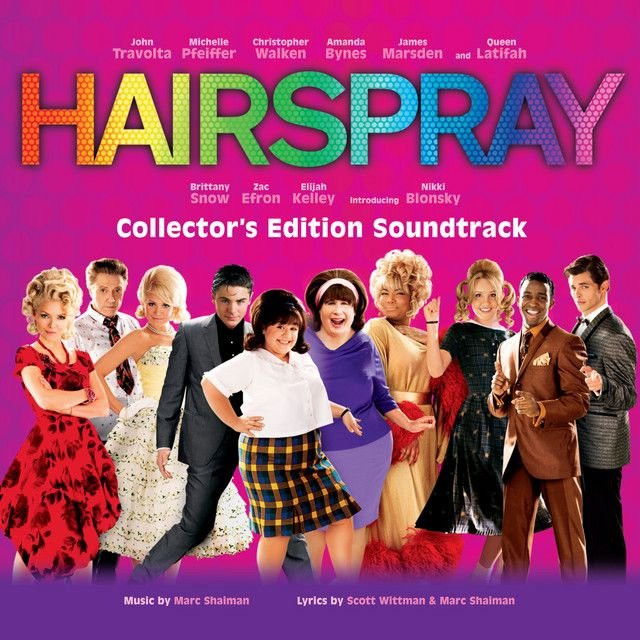
The meaning of Good Morning Baltimore Nikki Blonsky starts with a simple idea: Tracy Turnblad sees possibility where other people see limits. In the 2007 Hairspray film, Nikki Blonsky plays Tracy as a teenager whose excitement is bigger than her neighborhood, school, and social rules. That is why the song works so well as an opening number. It tells the audience who she is before the plot even fully begins.
"Good Morning Baltimore" - Nikki Blonsky
Woke up today
Feeling the way I always do
Loading lyrics...
Unable to load lyrics
We're unable to display the lyrics at this time. Please try again later.
Factually, the song first appeared in the 2002 stage musical Hairspray and was written by Marc Shaiman and Scott Wittman. It later became a key part of the 2007 film adaptation, where Blonsky performed it as Tracy. The song is widely described as the show’s opening statement and a clear introduction to Tracy’s character.
A City Greeting That Doubles as a Dream
On the surface, Tracy is just starting her day and saying hello to her hometown. But the song quickly becomes more than a morning routine. They are hearing a character who feels called toward something larger, almost as if the city itself is pushing her forward.
Early on, Tracy describes being hungry for something
she cannot quite name. That line points to a deeper longing. She does not just want breakfast, attention, or fun. She wants purpose, movement, and a place where her talent matters.
When she sings Good morning Baltimore
, the greeting sounds warm and personal. Interpretation: Baltimore is not just a setting here. It feels like a witness, a partner, and maybe even the first audience for Tracy’s future stardom.
Watch the official Good Morning Baltimore
music video
Tracy’s Optimism Is the Real Story
One of the smartest things about the song is that it shows Tracy’s personality through what she notices. She looks at ordinary streets, odd neighbors, and messy city life, yet she turns them into signs of hope. The world around her is imperfect, but she refuses to read it as hopeless.
That is why funny details matter. The song includes strange and rough images, including rats on the street
. Instead of treating them as proof that Baltimore is ugly, Tracy folds them into her fantasy of belonging. She imagines the whole city dancing with her.
This is where the song’s meaning becomes bigger. Tracy is a dreamer, but not in a detached way. They do not reject their environment. They transform it. Her optimism is active, creative, and rebellious.
The Chorus Turns Ambition Into Identity
The chorus is catchy, but it also carries the emotional core of the number. Tracy describes each day like an open door
and every sound like a symphony. In plain terms, she believes life is about to begin.
That leads to the song’s biggest promise: someday the world will connect Baltimore with Tracy herself. She wants recognition, but she also wants fusion. She is not dreaming of escaping her city so much as rising from it.
Interpretation: This makes the song partly about self-invention. Tracy imagines a future where her hometown and her identity become linked. If people learn to see her worth, they may also learn to see value in places and people they once dismissed.
What the Lyrics Reveal About Conflict
Even in this upbeat number, there is tension. Tracy knows she is not fully welcomed by the world she wants to enter. The line about wanting someone to invite her in shows that she already feels the barrier between herself and the glamorous world of dance and TV.
Another key moment comes when Tracy says my feet tell me go
. That phrase sums up the song’s inner conflict. Authority figures may tell her to wait, stay small, or be realistic. Her body, spirit, and talent tell her to move.
That conflict fits the larger story of Hairspray, where Tracy’s personal dream soon connects to bigger social issues, including beauty standards and racial segregation. This song does not explain all of that yet, but it plants the emotional seed: she believes motion can change her life.
How the Music Sells the Message
The production matters a lot. The song was written to sound bright, theatrical, and deeply influenced by early 1960s pop. Critics and reference sources have noted its nod to girl-group energy, including the famous oh-oh-oh
opening that recalls the feel of Phil Spector-era pop.
That sound is not just catchy decoration. It supports the meaning. The beat feels like a city waking up, while the melody rises with Tracy’s confidence. In the film version, Nikki Blonsky’s performance adds bounce and eagerness, making Tracy seem like someone who cannot help moving toward her future.
Because of that, the song feels both staged and sincere. It has a little comedy, a little exaggeration, and a lot of heart. That mix is important. Hairspray often uses cheerful music to discuss painful social limits, and this opener prepares the audience for exactly that balance.
Why This Song Still Connects
The reason people still respond to this number is simple: it captures the feeling of wanting life to start right now. Tracy does not wait for perfect conditions. She greets the world as if it already contains her chance.
I know every step
I know every song
I know there's a place
where I belong
Those lines condense the whole emotional argument. Tracy may not have status, popularity, or permission yet, but she has belief. And belief is what powers the entire song.
In the end, the meaning of Good Morning Baltimore Nikki Blonsky is about more than civic pride. It is about seeing beauty in flawed places, hearing possibility in everyday noise, and trusting that desire can become identity. That reading is an interpretation, not a single official meaning, but it fits the lyrics, the performance, and the role the song plays in Hairspray.
Disclaimer: Song interpretation is partly subjective. This article combines established facts about the song’s history with informed reading of its lyrics, performance, and themes.







