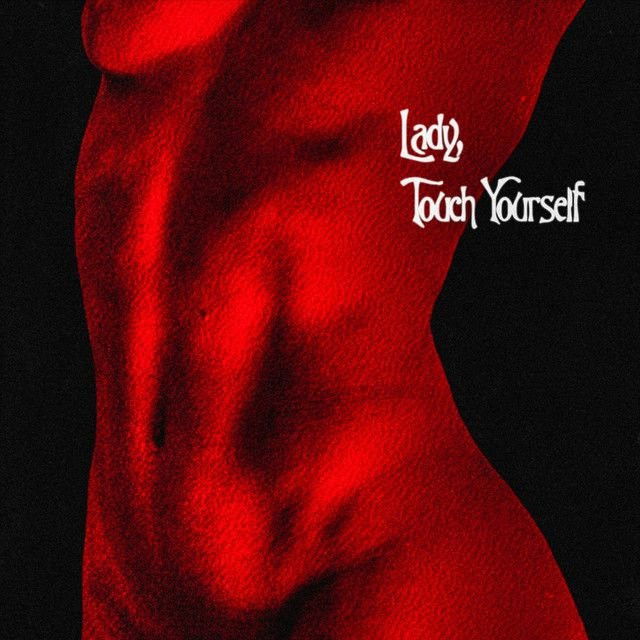
What 'Lady, Touch Yourself' Is Really Performing
The meaning of Lady, Touch Yourself Nikki Idol comes through less as a love story and more as a staged fantasy about desire, control, and self-pleasure. The song is blunt, provocative, and designed to shock, but beneath that surface it has a clear emotional pattern: the speaker is pulled toward a lover they see as dangerous, intoxicating, and almost supernatural.
"Lady, Touch Yourself" - Nikki Idol
Baby, you wanna bite
Your poison's so good
Loading lyrics...
Unable to load lyrics
We're unable to display the lyrics at this time. Please try again later.
Because the available context here is limited, the clearest factual point is simple: Nikki Idol is identified as the song’s writer. Everything beyond that is best read as interpretation based on the lyrics themselves.
A Dark Fantasy, Not a Tender Romance
At the center of the song is obsession. The speaker describes attraction as something poisonous, addictive, and overpowering. Early lines connect kissing and lust with loss of control, using phrases like poison's so good
and Addicted to lust
. Paraphrased, the idea is that pleasure feels exciting precisely because it seems risky.
That matters because the song does not frame intimacy as warm or mutual in a soft, romantic way. Instead, it leans into excess. Love becomes taboo, sex becomes a substance, and the lover becomes an object of worship and fear at the same time. This is why the track feels gothic in tone even without much narrative detail.
Interpretation: the song is not just saying desire is strong. It is saying desire can feel like surrendering to something bigger than the self.

Watch the official Lady, Touch Yourself
music video
Who the Speaker Seems to Be
The voice is direct and confrontational. They speak to a partner in a way that mixes praise, command, and submission. That tension appears in lines that place the speaker on their knees and ready to give everything away, including the dramatic image I sell you my soul
.
That image probably is not literal. It reads more like the language of role-play, fantasy, or emotional exaggeration. The speaker wants the listener to feel that this attraction is so intense it breaks ordinary limits.
Desire and Power Keep Switching Places
One of the most interesting parts of the song is how power moves back and forth. At times, the speaker sounds submissive, even overwhelmed. At other moments, they are commanding the scene and telling the lover what to do.
This push and pull gives the song energy. It keeps the lyrics from sounding like a one-note fantasy. Instead, they suggest a relationship dynamic built on unstable power, where admiration, fear, and erotic control all blend together.
Why the Chorus Changes the Song's Meaning
The repeated hook, Lady, touch yourself
, is the song’s clearest and boldest statement. On the surface, it is explicit. But structurally, it also shifts the focus away from mutual sex and toward self-directed pleasure.
That shift matters. The verses describe the lover as a powerful, almost demonic force. The chorus then centers that lover’s own body and agency. In other words, the speaker is not only aroused by the lover. They are fascinated by the lover experiencing pleasure on their own terms.
Interpretation: this makes the chorus about more than voyeurism. It may also be about worshipping autonomy, where the speaker wants to be emotionally present in a private act they cannot fully control.
The Song's Main Symbols and What They Suggest
The lyrics rely on a few strong motifs instead of a detailed story. Those motifs do most of the meaning-making.
Religion and Sin
When the song says things like Love is a sin
, it frames desire as forbidden. This gives the track a taboo charge. It suggests the speaker experiences pleasure through conflict, guilt, or transgression.
Demon and Angel Images
The lover is compared to both dark and divine forces. Describing them as moving like something evil while also using deathly or angelic language creates a split image: the lover is both feared and adored.
Violence as Metaphor
The song uses violent language in a heightened, stylized way. In context, it reads as fantasy imagery rather than literal storytelling. It intensifies the mood of danger and surrender, making desire feel extreme.
How the Sound Likely Carries the Meaning
No official production notes were provided, so any comment on sound must stay interpretive. Still, the lyrics strongly suggest a track built for tension and attitude rather than subtlety.
A song with this kind of writing usually works best with heavy beats, dark synths, distorted guitars, or an industrial-pop edge. Even if the exact arrangement differs, the words point toward a performance style that is breathy, commanding, and theatrical.
That matters for the meaning of Lady, Touch Yourself Nikki Idol because the track depends on delivery. If sung too softly, it would lose its menace. If performed too flatly, it would lose its campy excess. The likely goal is to make the listener feel trapped between seduction and discomfort.
A Useful Alternate Reading
There is another way to hear the song: as performance art about erotic persona. Instead of treating every line as a confession, they can be read as a character voice exaggerating lust until it becomes almost cartoonishly dark.
That reading fits the lyric style. The imagery is so stacked and dramatic that it often feels intentionally overblown. In that sense, the song may be less interested in realism than in building a taboo, glam-horror atmosphere.
Final Take on the Song's Message
The best way to understand the meaning of Lady, Touch Yourself Nikki Idol is to see it as a song about desire becoming ritual, spectacle, and obsession. Its speaker is drawn to a lover who seems powerful because they are self-possessed, dangerous, and unreachable.
Rather than offering emotional safety, the song offers intensity. It turns sex into theater, attraction into addiction, and private pleasure into the center of the drama.
Disclaimer: This article offers interpretation based on the lyrics provided and limited confirmed background details. Meaning can vary by listener, artist intent, and performance context.








