Why ‘Feeling Good’ by Nina Simone Still Feels Like Freedom
They know the song the instant the horns bloom and Nina Simone enters with calm command. Yet the meaning of Feeling Good Nina Simone offers is more than a good mood. It’s a claim of rebirth—clear, proud, and unshakable.
"Feeling Good" - Nina Simone
Sun in the sky, you know how I feel
Breeze driftin' on by, you know how I feel
Loading lyrics...
Unable to load lyrics
We're unable to display the lyrics at this time. Please try again later.
The Heart of It: A Fresh Start Claimed Out Loud
Feeling Good is about stepping into a new life with certainty. While the lyrics list images of nature, the subtext is human: a person decides who they are, today. When Simone repeats the refrain built around it’s a new dawn
, she’s not describing the weather. She’s naming a turning point, where the past no longer rules the present.
Interpretation: They are hearing someone set boundaries and embrace possibility. The song’s simple words become powerful because of how Simone delivers them—measured, then soaring, like a door opening wider each time.

Watch the official Feeling Good
music video
Who Speaks, and To Whom?
The narrator is in first person, but they’re addressing anyone watching, even doubters. Phrases like birds flying high
are less a report than a signal: see what I see now. By the time she affirms I’m feeling good
, it sounds less like a mood and more like a verdict.
Images That Unlock the Theme
The song moves through a series of clean, nature-rooted pictures. Each one sketches a facet of freedom:
river running free
suggests motion without obstruction—no dams, no detours.- Stars and night skies imply vastness and perspective.
- Trees, blossoms, and pine point to growth, memory, and grounded breath.
Together, these signs say: the world is wide again, and the singer has room to move in it.
How the Sound Makes the Sky Open
Simone’s 1965 studio version is arranged and conducted by Hal Mooney. The track opens with orchestral swells, then snaps into a slow, swaggering groove. Brass punches, strings surge, and timpani add weight at key words. This dynamic build mirrors the lyric’s arc—from contained to expansive.
Her vocal phrasing is the engine. She leans behind the beat, then pushes forward into the climactic lines. When she reaches freedom is mine
, the band rises under her like a lift. Even without complex lyrics, the arrangement and delivery turn a simple list into a cinematic ascent.
Context That Deepens the Feeling
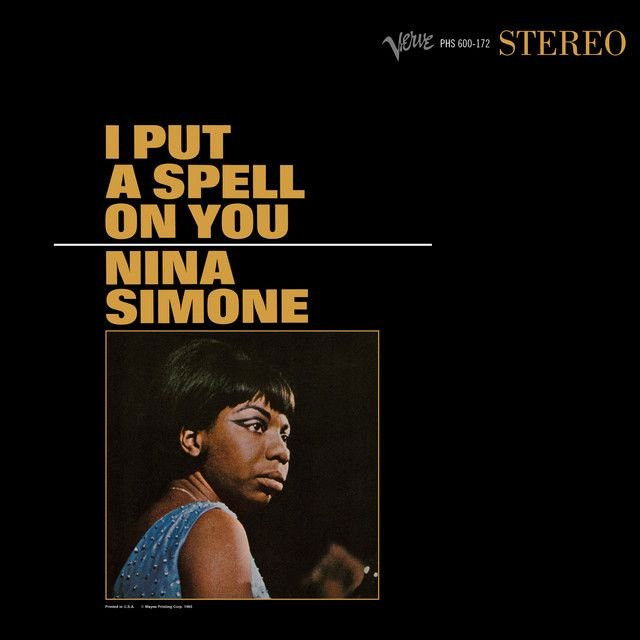
Feeling Good was written by Leslie Bricusse and Anthony Newley for the musical The Roar of the Greasepaint—The Smell of the Crowd. Nina Simone’s recording, released in 1965 on I Put a Spell on You, reframed the show tune as a soulful proclamation. Coming amid her outspoken civil rights period, the performance resonated beyond the stage.
Factual note: Simone was already known for direct protest songs in these years. That context invites listeners to hear this track as a post-struggle exhale. Interpretation: even if the lyric never names injustice, the pride in her tone makes the personal feel collective—freedom as both inner change and community hope.
The Chorus as a Reset Button
Each return to the refrain resets the scene. The lines around it’s a new day
and a new life
function like a mantra. Interpretation: repetition isn’t filler; it’s practice. The more the singer says it, the more the future becomes real.
Why It Endures Across Covers and Eras
The song’s architecture is timeless: clean images, a strong refrain, and a melody that invites a slow burn. That’s why artists from jazz to rock to pop keep covering it. Simone’s version remains definitive because she makes restraint thrilling; every held note feels like patience turning into power.
For U.S. listeners today, the meaning of Feeling Good Nina Simone still lands as an everyday anthem. It fits a graduation, a recovery, a new job, or any morning after a hard night. The track teaches a quiet lesson: liberation can start as a sentence you say to yourself and then grow louder.
Alternate Readings Worth Holding
- Interpretation: A sobriety or healing narrative—the images stand for physical and mental clarity returning.
- Interpretation: A spiritual rebirth—nature as a sign of grace, with the refrain as a litany of renewal.
Both readings work because the song never pins itself to one story. It makes space for the listener to enter.
Final Note
No single reading is official. This is one informed interpretation based on lyrics, performance, and historical context; your experience may differ—and that’s part of the song’s power.








