Why Norah Jones Makes This Christmas Song Ache
The meaning of Christmas Time Is Here Norah Jones goes beyond snow, bells, and cozy nostalgia. In their version of this classic, they highlight a simple idea: Christmas feels special not just because of decorations, but because people become softer, closer, and more hopeful.
"Christmas Time Is Here" - Norah Jones
Happiness and cheer
Fun for all the children call
Loading lyrics...
Unable to load lyrics
We're unable to display the lyrics at this time. Please try again later.
That is why the song still lands. It sounds gentle and familiar, yet under that calm surface is a quiet wish that human warmth could last longer than a season.
A Holiday Song With a Small, Deep Heart
“Christmas Time Is Here” was written by Vince Guaraldi and Lee Mendelson for the A Charlie Brown Christmas world, which helps explain its childlike simplicity and emotional depth. Guaraldi’s music became central to the Peanuts holiday mood, and the song has remained one of the most enduring pieces tied to that special.[^1][^2]
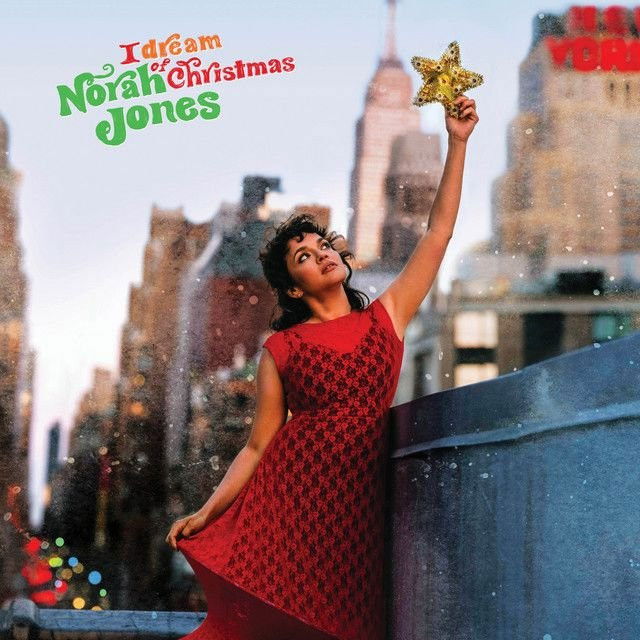
Norah Jones later recorded the song for their 2021 holiday album I Dream of Christmas.[^3] That context matters. They are an artist known for intimate phrasing, soft jazz textures, and performances that make even familiar standards feel close and human.

Watch the official Christmas Time Is Here
music video
What the Song Is Really Saying
On the surface, the lyrics paint a classic Christmas picture. They mention happiness and cheer
, children, snow, carols, bells, and family gathering. The images are simple on purpose. The song is not trying to tell a complicated story.
Instead, it builds an emotional world where holiday rituals stand for something bigger: togetherness. When the lyric turns toward families drawing near
, the song moves from scenery into meaning. Christmas is not important because it looks beautiful. It matters because it brings people back to one another.
Interpretation: The key emotional turn comes in the wish that this feeling might continue beyond December. That gives the song its deeper message. It is really about longing for a better version of everyday life.
How Norah Jones Brings Out the Longing
Norah Jones does not oversing this material. That choice is crucial. Their voice usually works best when it sounds conversational and light, and here that restraint makes the song feel sincere instead of sugary.
The arrangement on I Dream of Christmas leans into warmth rather than spectacle.[^3] Soft piano, brushed rhythm, and understated seasonal color keep the focus on mood. Instead of pushing the song toward big holiday joy, they let it hover in a dreamy middle space between comfort and sadness.
That balance changes how listeners hear lines like love and dreams to share
. In a louder arrangement, that phrase could sound generic. In Jones’s hands, it feels fragile, almost like they know such moments are precious because they do not last.
The Images Are Familiar, But Not Empty
The song uses a set of classic Christmas symbols: snowflakes, carols, sleigh bells, fireside scenes. These are common images in holiday music, but here they are used carefully.
Winter Weather as Emotional Atmosphere
When the lyric mentions snowflakes in the air
, it is not just describing weather. Snow softens the world. It slows things down. It creates a quiet setting where memory and reflection can rise.
Sound as Shared Tradition
Carols and bells suggest a public kind of joy. These are not private emotions locked inside one person. They are sounds meant to be heard together, which fits the song’s focus on community.
Home as a Place of Memory
The fireside image and the mention of joyful memories point backward as much as forward. Christmas is shown as a season where the present is filled with the past. People are not only celebrating today; they are revisiting childhood, family habits, and older forms of comfort.
The Most Important Line in the Song
The emotional center of the piece is the closing wish:
Such spirit through the year
That short thought reframes everything before it. The song stops being a postcard of Christmas and becomes a gentle critique of ordinary life. If kindness, wonder, and closeness feel natural in December, why do they fade so easily after?
Interpretation: This is why the song can feel both comforting and sad. It celebrates a beautiful mood while admitting how temporary that mood is.
Why This Version Connects So Easily
Part of the song’s power comes from its simplicity. The rhyme scheme is direct and easy to remember, almost nursery-like, which matches its origins in the Peanuts universe. But the emotional effect is more adult than childish.
Norah Jones helps bridge those two sides. They preserve the innocence of the writing while bringing mature emotional shading to it. That is a big reason listeners return to performances like this one during the holidays. It feels accessible, but not shallow.
For U.S. listeners especially, the song also carries cultural memory. Many people already connect it with A Charlie Brown Christmas, so Jones is not introducing a new song so much as renewing an old emotional ritual.[^1][^2]
Final Take on Its Meaning
The meaning of Christmas Time Is Here Norah Jones is not just that Christmas is lovely. It is that holiday beauty comes from human closeness, shared memory, and the brief return of generosity. The song quietly asks people to notice that truth and keep it alive after the season ends.
That is what gives the song its ache. It knows exactly how beautiful Christmas can feel, and it also knows how hard it is to hold on to that feeling.
Disclaimer: This interpretation is based on the lyrics, performance style, and public song history. Meaning can vary from listener to listener.
[^1]: Peanuts history of A Charlie Brown Christmas [^2]: Library of Congress entry on Vince Guaraldi and the special [^3]: Norah Jones official site for I Dream of Christmas









