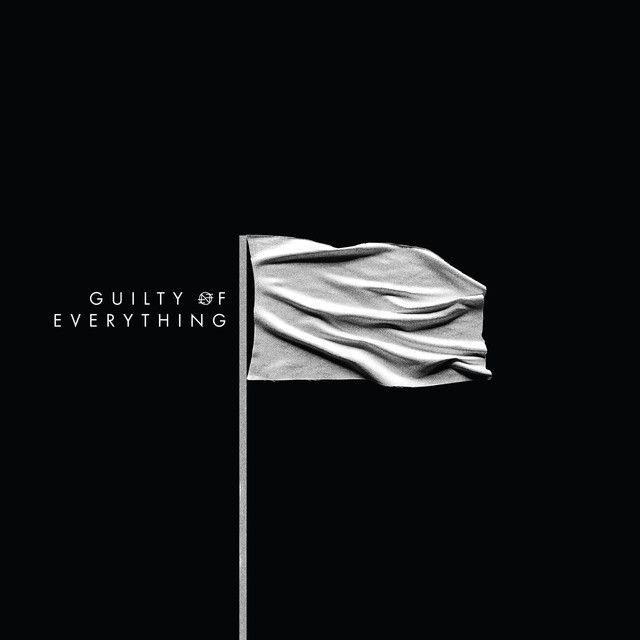
Why “Hymn to the Pillory” Feels Like Freefall
The meaning of Hymn to the Pillory Nothing comes through less like a tidy story and more like a collapse of memory, guilt, and release. Nothing, the Philadelphia shoegaze band behind Tired of Tomorrow, often write songs where beauty and pain sit side by side, and this track is one of their starkest examples.
"Hymn to the Pillory" - Nothing
Watching pale moons disappear alone
And crucifixion seems noble
Loading lyrics...
Unable to load lyrics
We're unable to display the lyrics at this time. Please try again later.
At its core, the song sounds like someone trying to accept a loss they still cannot emotionally survive. The speaker says another person is free and should let go, yet they remain trapped in the aftershock. That split between release and attachment gives the whole song its ache.
A Song About Loss That Will Not Sit Still
On the surface, the lyrics move through seasons, distance, and religious imagery. But the emotional center is simpler: someone is gone, or going, and the speaker cannot stop feeling the separation. When they repeat far from home
, it suggests more than physical distance. Home becomes a state of safety, closeness, and emotional certainty that no longer exists.
Interpretation: This can be read as grief after death, the end of a relationship, or even the fading of an older self. The song leaves room for all three. What matters is that the speaker knows release is necessary, but their body and mind have not caught up.
Watch the official Hymn to the Pillory
music video
The Voice Inside the Snowstorm
The song uses first-person language, but it feels inward and isolated rather than conversational. Even when another person is addressed, the singer seems to be speaking from inside shock. The line built around you’re free, let go
sounds compassionate on paper, yet in context it feels devastated.
That tension matters to the meaning of Hymn to the Pillory Nothing. The speaker is not simply telling someone to move on. They are also trying, and failing, to convince themselves that letting go is possible.
Memory Arrives in Seasons
The opening images divide the past into summers and winters. Summer appears as a lonely vigil, while winter becomes enclosure and erasure. When the song says spent winters locked away
, it paints depression as something lived through physically, almost like confinement.
Then the snow image expands that feeling. It does not just fall; it seems to bury everything. This turns memory into landscape. Instead of describing feelings directly, the song lets weather do the emotional work.
Religious Language Without Comfort
One of the most striking choices is the use of martyrdom and paradise imagery. The phrase crucifixion seems noble
suggests suffering can start to look meaningful when ordinary life already feels unbearable. The next thought undercuts any easy hope by implying paradise itself has become hell.
Interpretation: This does not read like a statement of faith. It sounds more like spiritual exhaustion. The song borrows sacred language to show how pain can become so constant that even salvation loses its shine.
That idea also explains the title. A pillory is a public punishment device, a place of exposure and humiliation. Calling the song a hymn links punishment with ritual, as if suffering has become ceremonial or repeated so often that it feels almost sacred.
The Chorus Turns Release Into Terror
The central refrain is where the song hits hardest. The image of white unknowns
makes release sound both pure and frightening. White can suggest peace, death, blankness, snow, or light. The unknown is where the speaker cannot follow.
Then the song answers that image with the body: feel it in my bones
. That phrase grounds the whole track in physical grief. This is not abstract sadness. It is the kind of pain they carry in the nervous system.
I think we’re far from home
I shut my eyes
our hands let go
In just a few brief lines, the song moves from disorientation to surrender. They cannot hold on, cannot see clearly, and cannot return to what existed before.
How Nothing’s Sound Deepens the Meaning
Nothing are known for pairing heavy distortion with dreamlike melody, a hallmark noted by Relapse Records. That blend matters here. The music likely does what the lyrics describe: it swells, blurs edges, and creates the feeling of being overwhelmed while still reaching for something beautiful.
Shoegaze is perfect for this kind of writing because it makes emotion feel environmental. Guitars can wash over the listener like weather, while buried vocals make thoughts sound half-remembered. In a song built on snow, moons, distance, and violent swinging, that hazy density supports the meaning instead of distracting from it.
The Pendulum Image Changes Everything
The line about a pendulum swinging violently introduces motion into a song full of stillness and burial. It suggests dread that keeps returning. Grief here is not linear; it swings back, hard, over and over.
That image also keeps the song from becoming passive. Even in numbness, there is threat. Something hangs over the speaker, waiting to come down. The plea for it to come down on me
can sound like surrender, punishment, or the desire for emotional pressure to finally break into release.
The Most Human Reading
The most persuasive reading is that this song captures the moment when love turns into absence but the bond still feels active. The other person may be gone, healed, dead, or unreachable. The speaker knows they should release them. They just cannot stop the connection from living on inside them.
That is why the song feels so haunting. It never offers clean closure. It only tells the truth about how parting often works: the hands separate first, and the body understands much later.
Disclaimer: This interpretation is based on the lyrics, title, and publicly available context around Nothing. Like many great shoegaze songs, its meaning stays open to personal reading.







