Why OneRepublic's Biggest Striver Song Still Hits
The meaning of All The Right Moves OneRepublic comes down to a sharp, uneasy feeling: some people seem born for the spotlight, while others work just as hard and still feel one step behind. OneRepublic turn that fear into a huge pop-rock anthem, which is why the song feels exciting and bitter at the same time.
"All The Right Moves" - OneRepublic
So yeah, we're going down
They've got all the right moves in all the right places
Loading lyrics...
Unable to load lyrics
We're unable to display the lyrics at this time. Please try again later.
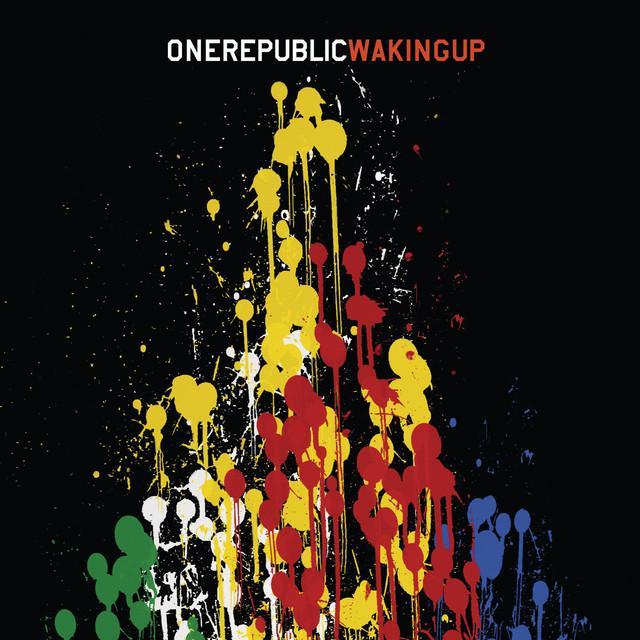
Released as the lead single from Waking Up in 2009, the track was written by Ryan Tedder and produced by Tedder, Andy Prickett, and Brent Kutzle. It became a major hit, reaching No. 18 on the Billboard Hot 100 and later earning multi-platinum certification in the United States. Those facts matter because the song itself is about status, visibility, and who gets seen.
A Song About Envy in Plain Sight
At its core, the song describes social comparison. The narrator looks at a group who seem connected, polished, and impossible to compete with. Early on, the lyric all the right friends
sums up that problem. It is not just about romance or popularity. It is about how access works.
The phrase all the right places
deepens the idea. Success here is not presented as fair or simple. It looks like a private club, where image, timing, and networks matter as much as talent.
Interpretation: many listeners hear this as a music-industry song. That reading makes sense because Tedder was writing from inside a world where visibility can decide everything. Still, the song is broad enough to fit school, work, relationships, or any setting where they feel judged against people who seem more naturally accepted.

Watch the official All The Right Moves
music video
The Chorus Turns Frustration Into a Hook
The chorus is built on a contradiction. It names people with the social advantage, then keeps repeating we're going down
. That refrain sounds dramatic, but it also sounds resigned, as if the speaker already expects to lose.
What makes the hook powerful is that it never fully chooses between anger and surrender. The song is catchy enough to shout along with, yet the message is deeply insecure. That tension is the point.
There is also a social pressure in the repeated line about everybody knowing where they are going. The narrator feels trapped inside a public story, as if failure is visible before it even happens. In simple terms, they are not just afraid of losing. They are afraid of losing in front of everyone.
Verses Full of Comparison and Self-Doubt
The verses fill in the emotional cost of that comparison. One key section imagines an ideal world where certain people are treated like royalty. Another asks whether the speaker is good enough to stand in someone else's space. Those thoughts show a mind spiraling under pressure.
A short phrase like ocean of faces
captures that mood well. It suggests being lost in a crowd, unseen and interchangeable. The speaker is not only competing with better-connected people. They are struggling to keep a clear sense of self.
Later, the song gets even more blunt about insecurity. The idea behind I could never be
is simple and painful: they believe they may never match the look, sound, or social ease of the people ahead of them. That is why the song resonates with so many listeners. It captures the moment when ambition turns into self-comparison.
Rain, Sun, and the Myth of Fairness
The imagery is simple but effective. Rain seems to fall only on the speaker, while the sun shines somewhere else. That contrast suggests a world that feels uneven and unfair.
Interpretation: this is less about literal bad luck than emotional perspective. When people feel left out, they often read every setback as proof that life is working for everyone else. The song captures that mindset without making it sound weak. Instead, it sounds human.
Why the Production Matters So Much
OneRepublic do not perform this lyric like a quiet confession. They give it a glossy, urgent arrangement with pounding drums, bright piano, and a swelling chorus. Tedder once described the studio version as a more energetic beast than the live one before release. That energy matters because it changes the song from private jealousy into a public anthem.
The production also mirrors the theme. Everything sounds polished, almost luxurious, while the words describe people who feel shut out of that polish. In other words, the band uses a radio-ready sound to sing about the pain of not feeling radio-ready enough.
That contrast may explain why critics responded well. One review noted that the exact meaning was somewhat obscure, but the sadness of not fully reaching one's goals came through clearly. That is a fair summary: the song works less like a literal story and more like an emotional snapshot.
The Video Adds a Class and Mask Theme
The music video pushes the song's message even further. Set at a masquerade ball with Edwardian styling, it shows wealth, performance, and hidden motives. Masks fit this song perfectly because the lyric is obsessed with surfaces: the right faces, right spaces, right impression.
Interpretation: the video suggests that status itself can be theatrical. Everyone is dressed for acceptance, and not everyone belongs equally in the room. That visual idea matches the song's concern with class, coolness, and social access.
So What Does the Song Finally Mean?
The meaning of All The Right Moves OneRepublic is not that the narrator lacks talent. It is that they fear talent may not be enough. The song captures the exhausting feeling of watching others move ahead because they seem better connected, more attractive, more polished, or simply more welcome.
That is why the song still lands years later. Beneath its sleek hook, it is about the pressure to measure up in a world obsessed with appearance and advantage.
Disclaimer: This interpretation mixes documented facts about the song's release and credits with lyrical analysis. As with most songs, meaning can remain open to multiple valid readings.








