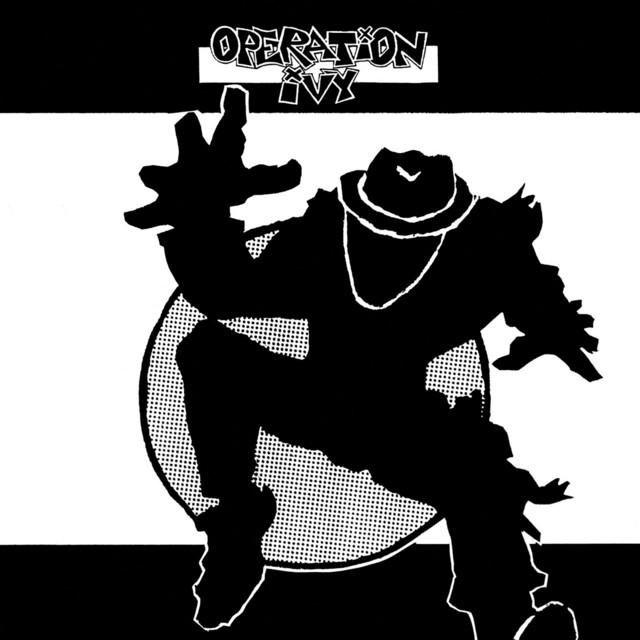
Artificial Life by Operation Ivy
Why This Song Still Hits Hard
The meaning of Artificial Life Operation Ivy centers on a blunt idea: modern culture can turn real feeling into something fake, packaged, and easy to sell. The song attacks a world where emotion becomes advertising, identity becomes performance, and entertainment replaces honest human connection.
"Artificial Life" - Operation Ivy
Sometimes his eyes shed tiny teardrops when he plays (right)
Touching feelings are just sitting there to buy
Loading lyrics...
Unable to load lyrics
We're unable to display the lyrics at this time. Please try again later.
Operation Ivy built their reputation on fast, urgent songs that mixed punk, ska, and political frustration. On their lone studio album, Energy, they often wrote about boredom, control, youth culture, and the pressure to fit into systems that feel empty. “Artificial Life” fits that mission perfectly.
Rather than telling one story, the song throws out snapshots of media, pop culture, and consumer habits. Put together, those images suggest a society teaching people to buy imitation instead of living something real.
Watch the official Artificial Life
music video
The Core Meaning Beneath the Noise
At its heart, the song says commercial culture sells ready-made emotions back to people. The band mocks songs and images designed to look sincere while really working as products.
Early on, they describe sentimental music as something that only pretends to feel deep. When the lyric says touching feelings
, the point is not praise. It is sarcasm. Those feelings are shown as prepackaged goods, sitting on a shelf for anyone to purchase.
That idea comes into focus in the repeated hook, Artificial life in the marketplace
. The chorus is simple, but that simplicity matters. They are saying fake versions of life are not just around them; they are actively being sold.
Interpretation: The title phrase can mean more than pop music. It can also describe a whole social system where personality, desire, and rebellion are turned into marketable styles.
How the Verses Build the Critique
The first verse attacks emotional performance in music. It targets artists who appear vulnerable in public because vulnerability sells. The band is not rejecting emotion itself. They are rejecting staged emotion used like branding.
The second verse widens the target. Phrases like Pepsi generation
and musical whores
point at youth culture shaped by corporate messaging. In this world, people are encouraged to borrow drama from celebrities because their own lives feel dull or disconnected.
That matters because the song links media consumption to spiritual numbness. The listener is not just buying records or ads. They may also be learning how to feel from commercial sources.
A World of Screens, Brands, and Escape
One of the sharpest sections turns from music to American mass culture more broadly. The song references television, theme-park spectacle, and life inside a consumer machine. The image of a window for your tomb
is especially harsh. They describe the TV screen as both an escape and a trap.
Here is the article's only multi-line lyric quote, because it captures the song’s warning in a compact way:
If you can't compare
Watch and escape
Before and after those lines, the song suggests a cycle: media creates insecurity, insecurity creates passive consumption, and consumption keeps people disconnected from real life. Instead of solving pain, entertainment teaches people to hide from it.
Interpretation: This may be one of the song’s deepest points. “Artificial life” is not just fake culture outside the self. It can also become an inner habit, where a person stops living directly and starts experiencing the world through screens, brands, and fantasies.
The Hook Works Because It Sounds Like a Chant
Operation Ivy were known for blending hardcore speed with ska bounce, and that contrast is key to the song’s meaning. According to AllMusic, the band’s sound fused punk urgency with rhythmic lift. In “Artificial Life,” that energy makes the critique feel active rather than academic.
The chorus lands like a street chant. It is repetitive, fast, and easy to yell back. That matters because the song is about repetition in mass culture too. The band uses repetition against the system they are criticizing, turning a marketing-style hook into a protest slogan.
The vocals help sell this tension. They sound strained, sarcastic, and restless, not polished. That rough delivery undercuts the glossy world the lyrics attack. The music feels alive; the song’s target does not.
What the Song Says About Authenticity
A key line comes near the end when the band insists that emotion should not be treated as inventory. That may be the clearest statement of purpose in the track. They are defending authenticity, but not in a soft or romantic way. They are arguing that real feeling has value precisely because it cannot be mass-produced.
This is why the song stays relevant. Even outside the late-1980s context of TV culture and major-label marketing, its message fits the age of influencers, personal branding, and algorithm-driven identity. The song’s examples are old-school, but the complaint feels modern.
Interpretation: Listeners today may hear “Artificial Life” as a warning about social media, where people often package themselves into attractive, sellable versions. The song predates that world, but its logic points toward it.
Final Take on the Meaning of Artificial Life Operation Ivy
The meaning of Artificial Life Operation Ivy is a fierce rejection of commercialized emotion and a defense of real human experience. The band portrays a culture where music, television, and advertising turn feelings into products and consumers into spectators.
What gives the song its power is that it does not sound detached. It sounds angry, alive, and personally offended by fakery. That makes its message more than a slogan. It becomes a demand to resist passive consumption and seek something honest instead.
Disclaimer: This interpretation is based on the song’s lyrics, performance, and public context. As with most punk songs, listeners may reasonably hear different shades of meaning.







