
100 Years by Or3o
Why This Song’s Heartbreak Lasts
The meaning of 100 Years Or3o is built around a simple but painful idea: someone leaves, but the person left behind never stops loving them. Instead of showing grief as one dramatic event, the song stretches it across decades. That gives the story a fairy-tale scale while keeping the feelings human and easy to understand.
"100 Years" - Or3o
I'm still here wondering
Cause I'm still in love with you
Loading lyrics...
Unable to load lyrics
We're unable to display the lyrics at this time. Please try again later.
According to the fan reference page for the Clover project, “100 Years” is the fourth song released for that story world and centers on George, a romantic figure who keeps a lost love in his heart for a century (Clover 2020 Wiki). That background matters because it frames the song less as a breakup anthem and more as a character ballad.
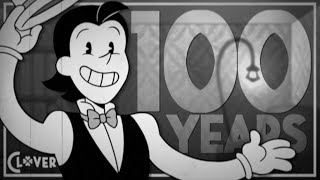
Watch the official 100 Years
music video
A Love Song Written to Someone Gone
At the start, the narrator is still asking why the person left. Very quickly, though, the song moves from confusion into ritual. Each season, object, or passing image triggers memory. Blossoms, breeze, fire, shoes, and even small whimsical details all become reminders.
That pattern is the song’s emotional engine. The narrator keeps noticing the world and translating it into devotion. When they say still in love with you
, it is not just romance. It is a statement that memory has taken over daily life.
The Timeline Tells the Real Story
One of the smartest things in the lyrics is how time keeps widening:
- first a year
- then ten years
- then 20, 30, 40, 50
- finally a hundred years
This expansion turns sadness into legend. The listener starts with ordinary heartbreak, but by the end, the feeling has become almost supernatural. Interpretation: the song suggests that unresolved love can make time feel unreal.
The Chorus Turns Pain Into Devotion
The chorus gives the song its clearest conflict. Other people see the narrator as stuck, maybe even broken. They say They call me crazy
and They call me mad
, which shows how grief looks from the outside.
But the narrator answers that judgment with tenderness, not anger. They hold onto the smile they once received, and that memory helps dark days feel lighter. This is important: the song does not present love as healthy closure. It presents love as a private force that keeps someone going.
That is a big part of the meaning of 100 Years Or3o. The song asks whether enduring love is beautiful, tragic, or both. It never fully decides.
Tiny Images, Huge Emotional Weight
The verses are full of objects and natural scenes. On paper, some images seem random. In practice, that randomness is the point. Grief often works like that. Almost anything can become a trigger.
The line about blossoms are blooming
connects love to renewal and spring. The cool summer breeze
gives memory a soft, physical feeling, as if the absent person still moves through the air. Later images like torchlight and a soldier’s sword add age and legend, making the story feel older and heavier.
I hope the best
though we’re not together
This brief moment captures the song’s maturity. The narrator is hurt, but they are not cruel. They wish the other person well, even while carrying the wound.
A Possible Ghost Story Beneath the Surface
The second chorus changes the emotional stakes. The narrator says they are no longer here
, which opens the door to the song’s most striking interpretation.
Interpretation: by the end, the voice may belong to someone who has died, or to a spirit-like memory speaking after death. That reading fits the exaggerated timespan and the final claim that even after a hundred years, the love remains. In that sense, the song becomes more than a breakup story. It becomes a ballad about love surviving mortality.
A more grounded reading also works. The hundred years may be symbolic, showing how grief feels endless rather than literal. Either way, the emotional result is the same: the narrator cannot let the bond disappear.
How the Sound Supports the Story
Even without complex poetry, the song works because its musical approach is gentle and direct. The melody repeats key ideas in a way that feels almost like a lullaby or a diary entry set to music. That simplicity mirrors the narrator’s emotional state. They are not trying to impress anyone; they are trying to keep a memory alive.
The production also supports the character angle associated with Clover. A song like this benefits from clear phrasing, soft sentiment, and a steady structure. Rather than dramatic shifts, it relies on accumulation. Each return to the hook makes the devotion feel heavier.
That matters because the lyric writing is intentionally plain. The song is not built on mystery. It is built on sincerity. For some listeners, that makes it more heartbreaking.
Why the Song Connects With Listeners
“100 Years” speaks to a fear many people understand: what if love does not end just because a relationship does? The song imagines that feeling in its most extreme form. It gives heartbreak a mythic scale without losing the small details that make it believable.
It also refuses to turn love into bitterness. Even after abandonment, the narrator remains tender. That is why the song feels sad, but not mean. The ache comes from loyalty that has nowhere to go.
The Lasting Meaning
The best way to understand the meaning of 100 Years Or3o is to see it as a song about memory becoming identity. George does not simply remember a lost person; he becomes the one who remembers.
That makes the song both sweet and unsettling. It honors devotion, but it also shows the cost of never moving on.
Disclaimer: This interpretation is based on the lyrics, available fan-reference context, and musical presentation. As with any song, listeners may hear meanings that differ from this reading.









