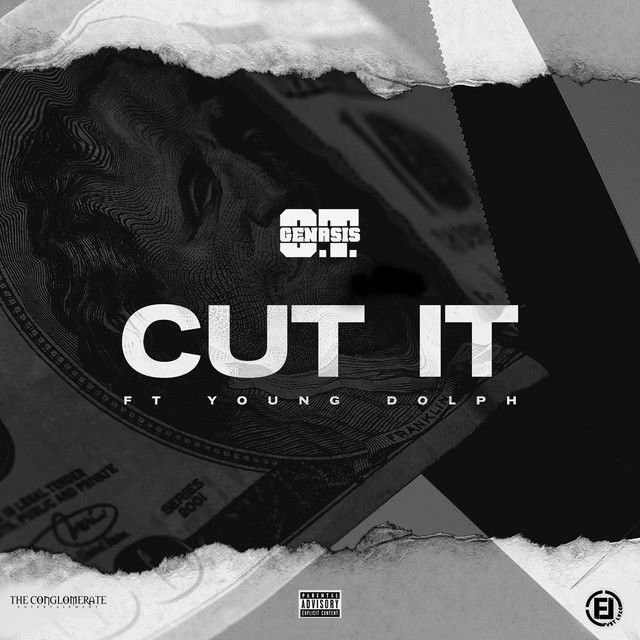
Why ‘Cut It’ Slices Deeper Than a Price Drop
O.T. Genasis and Young Dolph turned a simple command into a street-business mantra. For listeners searching for the meaning of Cut It O.T. Genasis, Young Dolph, the song is less about violence and more about leverage. It’s the mindset of trimming fat—bad prices, risky product, and fake energy—so the hustle can keep moving.
"Cut It" - O.T. Genasis ft. Young Dolph
Cut it, cut it, cut it, cut it
Cut it, cut it, cut it, cut it
Loading lyrics...
Unable to load lyrics
We're unable to display the lyrics at this time. Please try again later.
The Real Negotiation Behind the Hook
The chorus is a blunt memo to anyone doing bad business:
Your price is way too high, you need to cut it
Them bricks is way too hot, you need to cut it
Interpretation: they’re setting terms. If a supplier overcharges, drop the deal. If the product could attract heat, limit the risk. The repeated line becomes a rule of survival: lower exposure, increase margins, and keep control.

Watch the official Cut It
music video
Voices of Hustle: Who’s Talking, Who’s Targeted
Both artists speak in first person, but they aim the message outward. They address plugs, competitors, and sometimes their own crews, reminding everyone that discipline wins. When O.T. Genasis says run up them bands
, they frame profit as the scoreboard.
Young Dolph extends that stance, showing he’ll walk away if terms aren’t right. The “you” in the song is flexible: a seller with inflated prices, a rival flexing jewelry, or anyone trying to test boundaries. The tone is managerial—firm, not frantic.
From Stash to Status: The Verse Imagery
The verses blend street process with luxury signals. A phrase like straight out the mud
marks origins; it says the grind was dirty and real. Technical touches—water whippin'
, scales, and numbers—sketch how value is created and measured.
Status markers—Rolie on
, Ferraris, Gucci bags—are not random flexes. They’re proof that the model works: cut bad deals, scale good ones, then show receipts. Even love for the workspace—my traphouse, I love it
—reads as a builder’s pride in the operation they optimized.
Quick Timeline of the Story
- They stack cash and contact the plug to restock.
- They enforce boundaries: if it’s overpriced or hot, pass.
- Profits buy status symbols, underlining success.
- Loyalty and defense are non-negotiable when conflict comes.
- The hook returns to reset the rules of engagement.
Beats with Elbow Room: How the Sound Sells the Idea
The production is spare and icy, with a simple motif over heavy 808s. That negative space acts like white lines on a balance sheet—clean, strict, and easy to read. Because the beat leaves so much room, the hook lands like a stamp of approval or rejection.
Their deliveries contrast in useful ways. O.T. Genasis chants with a cutting edge; Dolph speaks in calm authority, the voice of someone who’s negotiated a thousand deals. The pacing is measured, pushing the idea that smart hustlers don’t rush; they assess, then act.
Loyalty, Limits, and Alternate Reads
There’s a code running under the bravado. They prize consistency (keep it a hundred
) and vow solidarity when trouble arrives. Those values sit next to the business rules, suggesting that success isn’t only about price—it’s also about who stands with you when the numbers turn red.
Interpretation: “cut it” can also mean trimming excess beyond money. It can be cutting noisy entourages, empty flexes, or reckless habits. The line about “hot” product doubles as risk management: if a play attracts heat—from police, rivals, or attention—reduce it fast.
Another read sees the song as a playbook for negotiation. Open with a hard anchor (the chant), make it clear you’ll walk, and convert the saved margin into tangible upgrades. The chorus then becomes both a warning and a wealth engine.
Final Cut: What Listeners Take Away
At heart, “Cut It” is a discipline anthem dressed like a party record. It teaches a simple rule: protect margins, avoid heat, and remove anything that weakens the bottom line. That’s why the phrase escaped the streets and became everyday slang for boundaries.
Disclaimer: This interpretation is for commentary and education. Meanings can vary by listener and context.








