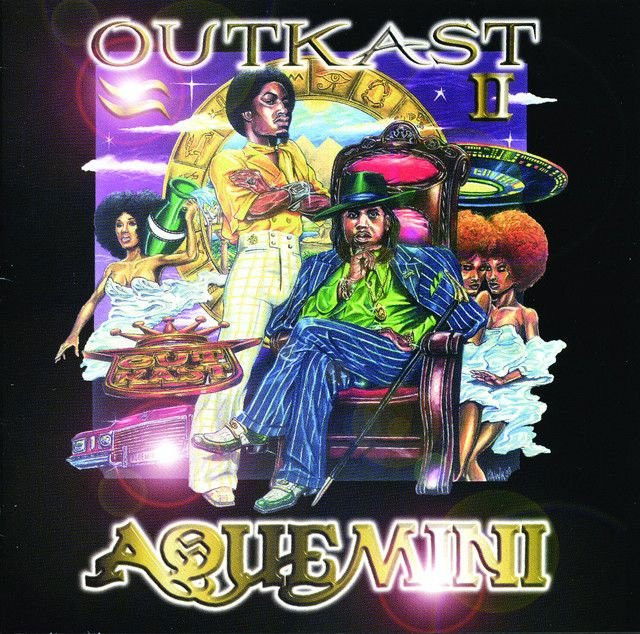
Da Art of Storytellin', Pt. 1 by OutKast
Why This OutKast Song Still Hits So Hard
The meaning of Da Art of Storytellin', Pt. 1 OutKast starts with a simple idea: stories can entertain, but they can also warn, mourn, and remember. On the surface, the song sounds loose and conversational. Under that calm flow, though, it turns into a heartbreaking portrait of young lives shaped by sex, danger, poverty, and bad luck.
"Da Art of Storytellin', Pt. 1" - OutKast
Was it the bitch that fucked the Goodie, and the Dungeon Crew
Let's say her name was Suzy Skrew, 'cause she screwed a lot
Loading lyrics...
Unable to load lyrics
We're unable to display the lyrics at this time. Please try again later.
Released as a single from Aquemini in 1999, the track was written by André Benjamin, Antwan Patton, and David Sheats, and produced by Mr. DJ with OutKast. The single version featured Slick Rick, while the album version did not. According to the available release history, it came out on May 25, 1999 and later earned a Gold certification in the United States. Critics have kept it in the top tier of OutKast songs for years, with rankings from The Ringer and The Guardian reflecting its lasting reputation.
Watch the official Da Art of Storytellin', Pt. 1
music video
Two Stories, One Theme
The song is built around two connected portraits. The first follows a casual sexual encounter. The second remembers a girl named Sasha and ends in tragedy. These sections may seem separate, but together they show how quickly ordinary scenes can turn dark.
In the first verse, Big Boi describes Suzy Skrew as exciting, risky, and hard to pin down. The storytelling is funny at first, but it is not romantic. The point is not love. It is impulse, movement, and the way people treat each other as temporary.
Then the song shifts. André 3000 remembers Sasha, who once talked with him under the night sky about the future. When he asks what she wants to become, she answers Alive
. That one word changes the whole track. It shows that survival, not success, is the real goal in her world.
The Plot Moves From Playful to Devastating
OutKast earns the title by making the verses feel like scenes from a movie. The first story moves through paging devices, malls, parking lots, and family obligations. Big Boi sounds amused and alert, juggling desire with everyday life. Even a small detail like having to pick up his daughter keeps the verse grounded.
The second story slows down and becomes reflective. André remembers being young, lying on the curb, and dreaming. Then adulthood arrives, and so does loss. Sasha disappears into an abusive relationship and dies before he can see her again.
The emotional turn lands in one of the song's most painful images:
with a needle in her arm
baby two months due
OutKast does not dwell on the scene for shock value. They present it plainly, which makes it even harder to hear. The song suggests that tragedy is not rare or distant. It can happen to someone they knew, someone who once sat outside talking about the future.
What the Hook Says About Storytelling
The chorus sounds relaxed, almost like friends talking in a car. A phrase like story rap now
makes the method clear. They are not just rapping to show technique. They are turning lived experience into narrative.
Interpretation: the hook also works as a defense of Southern rap. OutKast presents storytelling as craft, not filler. They show that regional detail, slang, humor, and pain can all live in the same song. The phrase It's like that now
feels casual, but it also means this is how life really looks.
How the Beat Supports the Meaning
The production matters a lot to the meaning of Da Art of Storytellin', Pt. 1 OutKast. The beat is smooth, warm, and steady, which creates a strange contrast with the lyrics. Instead of dramatic strings or obvious sadness, the instrumental glides.
That choice mirrors real memory. Painful events often come back in fragments, over ordinary sounds. Mr. DJ and OutKast give the verses enough room for detail, and the laid-back groove keeps the stories from feeling forced. The music invites listeners in before the words reveal how serious the subject really is.
The vocal contrast helps too. Big Boi is sharp, rhythmic, and grounded in the street-level present. André sounds more reflective and vulnerable. Together, they create two angles on the same environment: one driven by appetite, the other haunted by what that environment can do to people.
Artist Context Makes the Song Deeper
By the time Aquemini arrived in 1998, OutKast had already become major voices in Southern hip-hop. That album is often praised for blending funk, soul, rap, and experimental ideas, and this track is a strong example of that range. It is accessible, but it is also literary.
The title itself points to craft. OutKast is showing that rap storytelling does not need fantasy or exaggeration to feel powerful. Everyday details carry the weight. A page from a baby mother, a night under streetlights, a memory of someone gone—those details make the song feel lived-in.
Its reputation has only grown. It did not become a huge Hot 100 pop hit, but its long-term critical standing suggests that listeners heard something richer than a standard single. It is remembered because it captures a whole social world in under four minutes.
The Song's Biggest Themes
Several themes run through the track:
- Survival: Sasha's answer,
Alive
, sums up the stakes. - Memory: The second verse is an act of remembrance.
- Desire and consequence: The first verse shows pleasure without stability.
- Community loss: Sasha's death feels personal, but also social.
- Storytelling as witness: OutKast records what others might overlook.
Interpretation: one possible reading is that the song contrasts boys' freedom with girls' danger. Big Boi can leave one encounter and move on. Sasha cannot move through the same world with the same safety. That does not mean the song is making a policy argument, but it does expose unequal risk.
Final Take on Its Meaning
The meaning of Da Art of Storytellin', Pt. 1 OutKast is not just that life can turn tragic. It is that stories preserve people, choices, and neighborhoods that might otherwise vanish. OutKast begins with humor and swagger, then quietly reveals grief.
That is why the song lasts. It sounds easygoing, but it carries real sorrow beneath the surface. In telling these stories, they entertain, remember, and warn at the same time.
Disclaimer: This article offers an interpretation of the song based on the lyrics, recording context, and public reception. As with any art, listeners may hear different meanings.








