Why Pablo Cruise's Hit Still Feels Hopeful
The meaning of Love Will Find A Way Pablo Cruise comes down to a simple but lasting idea: heartbreak is real, but it does not get the final word. Pablo Cruise turns that message into a soft-rock reassurance, giving listeners a song that sounds calm even while it talks about pain.
"Love Will Find A Way" - Pablo Cruise
You thought that your love was strong
Now you're feelin' like such a fool
Loading lyrics...
Unable to load lyrics
We're unable to display the lyrics at this time. Please try again later.
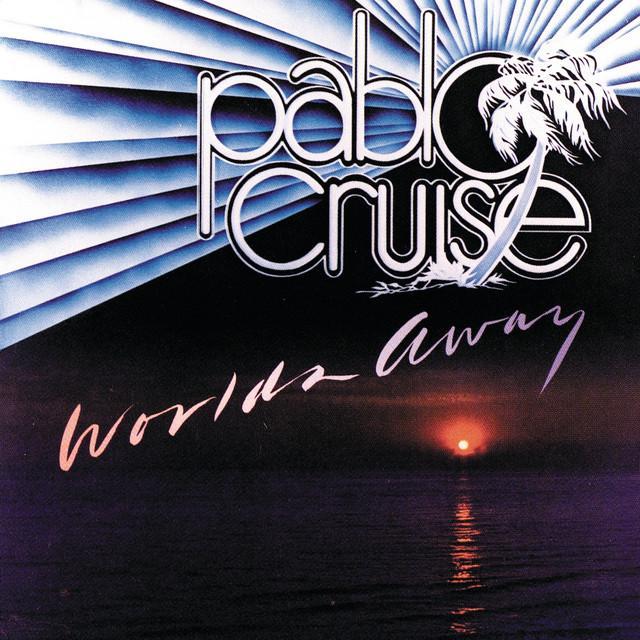
Released in May 1978 as a single from Worlds Away, the track was written by David Jenkins and Cory Lerios and produced by Bill Schnee. It became one of the band’s biggest hits, reaching No. 6 on the U.S. Billboard Hot 100 and helping define their late-1970s success. Those facts place it firmly in the band’s polished, radio-friendly peak.
A Breakup Song That Refuses To Stay Broken
At its core, the song addresses someone reeling from a love that has faded. Early lines describe a person who feels misread, embarrassed, and emotionally shaken. The lyric does not mock that pain. Instead, it recognizes how easy it is to feel foolish when a relationship cools off.
That is why phrases like such a fool
and felt so cool
matter. They show the emotional swing from confidence to confusion. The song begins in disappointment, but it never stays there long.
Interpretation: Rather than telling a dramatic breakup story with specific details, the writers aim for something broader. They describe the emotional aftershock most people know: the point where someone wonders what went wrong and whether they can trust love again.

Watch the official Love Will Find A Way
music video
The Chorus Turns Pain Into Promise
The real emotional center is the chorus. It tells the listener that healing takes time, but it also insists that recovery is possible. The key thought appears in short, memorable steps: get past the pain
, find your love again
, and keep your heart open
.
That sequence matters. First comes pain, then healing, then openness. The title phrase love will find a way
works because it does not deny suffering; it answers it.
Once you get past the pain
You'll learn to find your love again
This is the song’s clearest statement of purpose. It is not saying every broken relationship should be saved. It is saying a broken moment does not end a person’s ability to love.
Who They Seem To Be Singing To
The song is written in a direct, second-person style, speaking to you
throughout. That choice makes it feel personal and conversational. Instead of sounding like a diary entry, it sounds like advice offered to someone standing in the middle of emotional confusion.
Interpretation: That voice can be heard in at least two ways:
- as one partner comforting another after a breakup
- as a wiser inner voice talking someone through self-doubt
Both readings fit the lyric. The important point is that the song sounds supportive, not judgmental.
Change Is Not Failure Here
One of the most interesting ideas in the verses is that love sometimes needs to shift shape. The lyric says people may feel a need to change and even rearrange
their love. That is a mature thought for such an easygoing hit.
Instead of treating change as betrayal, the song frames it as part of growth. Dreams may seem to fall apart, and starting over may feel scary, but the lyric argues that being true to oneself matters more than clinging to something that no longer works.
Interpretation: This is why the song feels bigger than a simple reunion anthem. It allows for endings. Its hope comes from emotional resilience, not from the promise that one specific romance will return.
How The Sound Softens The Message
Pablo Cruise were often grouped with late-1970s soft rock and what many listeners now call yacht rock. That context matters. Their style favored smooth grooves, layered harmonies, bright keyboards, and a clean, relaxed sheen.
On this song, the arrangement supports the lyric’s message beautifully. Nothing sounds harsh or chaotic. The steady beat, melodic chorus, and polished vocal delivery make the reassurance feel believable. If the band had played it with heavier drama, the message might sound preachy. Instead, it lands like calm encouragement.
That approachable sound also helps explain the song’s success. It received heavy summer 1978 airplay and crossed well beyond rock audiences. In addition to its U.S. peak, it charted strongly in Canada and Australia, showing how widely its comforting message connected.
Pablo Cruise Context Makes The Song Clearer
Pablo Cruise had already broken through with Whatcha Gonna Do? in 1977, and writers have noted that relationship tension fed both songs. American Songwriter connects David Jenkins’s songwriting to personal relationship trouble, which helps explain why this lyric feels emotionally grounded rather than generic.
That background should be used carefully: it offers context, not a strict one-to-one map of the song. Still, it helps explain why the words balance hurt and reassurance so well. They sound lived-in.
A critic like Robert Christgau famously complained about hearing the chorus repeatedly, which says something important too: the hook is simple, direct, and impossible to miss. For many listeners, that repetition is exactly the point. The song works like a pep talk they can sing.
Why The Song Still Connects
The meaning of Love Will Find A Way Pablo Cruise still resonates because it offers hope without pretending heartbreak is easy. It tells listeners that pain can teach, change can be necessary, and openness is a risk worth taking.
That balance keeps the song from becoming shallow inspiration. It is gentle, but not empty. It understands that people often need time before they can trust love again.
Final Thought
Pablo Cruise built a radio classic out of a hard truth: love can end, but the capacity for love does not. That is why the song still feels warm decades later.
Disclaimer: This interpretation is based on the released lyrics, recording, and public context. As with any song, listeners may hear meanings that differ from the ones discussed here.







