Why 'The Flight of the Earls' Still Hits Hard
The meaning of The Flight of the Earls Paddy Reilly comes down to one painful idea: Ireland is losing its people not to war, but to lack of opportunity. Paddy Reilly's hit recording turns that social problem into a ballad of exile, pride, and stubborn hope.
"The Flight of the Earls" - Paddy Reilly
In this lonely waiting room
And the paperboys are singing in the rain
Loading lyrics...
Unable to load lyrics
We're unable to display the lyrics at this time. Please try again later.
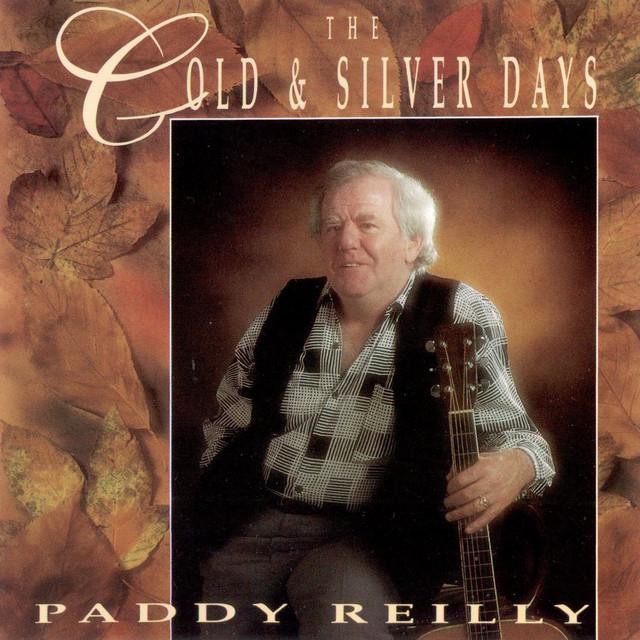
The song was written by Liam Reilly, and Paddy Reilly took it to No. 1 in Ireland in 1988, according to biographical summaries of the singer's career. Paddy Reilly was already one of Ireland's best-known balladeers, a folk singer from County Dublin whose style favored clear storytelling and emotional directness. That matters, because this song works less like a private diary and more like a public statement sung for a whole generation.
A Farewell Song About Economics, Not War
At its core, the song describes young Irish people waiting to leave home for jobs abroad. The opening image places them in transit, hearing home in memory even before departure. When the lyric mentions the bells of Dublin
, it frames Ireland as something already slipping into nostalgia.
The crucial turn comes when the song says this is another bloody Flight of Earls
. That phrase links modern emigration to the historic Flight of the Earls in 1607, when Gaelic nobles left Ireland for continental Europe after the collapse of their power. Historians widely treat that event as a symbol of the end of the old Gaelic order and a turning point before the Plantation of Ulster. In the song, that history becomes a metaphor: the country is once again watching its future depart.
The Real Villain Is Wasted Potential
One of the sharpest things in the lyric is what it refuses to blame. The song explicitly says this leaving is not caused by violence or famine. Instead, it points to joblessness and a system unable to keep educated people at home.
That is why lines about having brains
and visions
matter so much. The emigrants are not presented as defeated or helpless. They are capable, trained, and ambitious. Interpretation: the tragedy is not that they lack value, but that Ireland cannot use it.
This makes the song feel different from older exile ballads. Many Irish songs center on survival after disaster. Here, the pain comes from modern failure. The people leaving are not escaping immediate ruin; they are trying not to waste these precious years
. That phrase gives the song its emotional engine.
How the Song Maps the Irish Diaspora
After departure, the lyric widens its lens. It moves through London, Baltimore, Boston, Queensland, and New South Wales. That list matters because it shows emigration as both ordinary and global.
These are not random travel stops. They are part of an Irish map outside Ireland, a world where communities reform in bars, job sites, ports, trains, and rented rooms. The song suggests that the nation survives abroad, but only in fragments.
A Single Verse, A Large World
We walk the streets of London
And the streets of Baltimore
And we meet at night in several Boston bars
This is the one moment where the lyric briefly stretches outward and shows the scale of the loss. People are scattered across cities, but still searching for each other. Interpretation: even in migration, they rebuild a version of home through accent, memory, and gathering places.
Why the Chorus Feels So Bitter and So Proud
The song balances anger with wit. One striking joke is the line about having Bono and U2
while missing Guinness and rain. It sounds light, but it carries a deeper point: Irish identity travels well, but symbols are not substitutes for belonging.
The repeated farewell also matters. It sounds almost ceremonial, like an old ballad blessing those who leave. Yet every goodbye contains a rebuke. If the country's best export is its own people, then the nation is failing at the most basic level.
That helps explain why the song connected so strongly in the late 1980s. Its complaint is political without reading like a campaign speech. It stays with the human cost: delayed lives, split families, and the strange pain of succeeding somewhere else.
How Paddy Reilly's Folk Style Carries the Meaning
Paddy Reilly was known for traditional and contemporary Irish ballads, and that background shapes how the song lands. Rather than dressing the lyric in flashy production, the performance typically leans on folk-ballad clarity: steady rhythm, singable phrasing, and a vocal that sounds lived-in rather than theatrical.
That simplicity is important. A polished pop approach might have made the song feel temporary. Reilly's balladeer style places it inside a longer Irish tradition of departure songs, laments, and communal singing. Interpretation: the sound tells listeners that this is not just a current-events song; it belongs to a centuries-long story.
The Ending Refuses Despair
For all its frustration, the song does not end in surrender. Its final promise is that planes can carry people home as well as away. That hope keeps the lyric from becoming purely mournful.
Still, the optimism is cautious. Return depends on better days
. In other words, home must become livable again. The song asks Ireland to earn back its people.
The Lasting Meaning of The Flight of the Earls
The meaning of The Flight of the Earls Paddy Reilly is ultimately about exile in a modern key. It turns unemployment and emigration into a national drama, using a historic title to show that losing people can be as devastating as losing battles.
What makes it endure is its balance: sorrow without self-pity, pride without denial, and hope without fantasy. They hear in it a simple truth that reaches far beyond Ireland: when a country cannot hold its young, it risks exporting its future.
Disclaimer: This article offers interpretation based on the lyrics, performance, and historical context. Meaning in songs can remain open to more than one valid reading.








