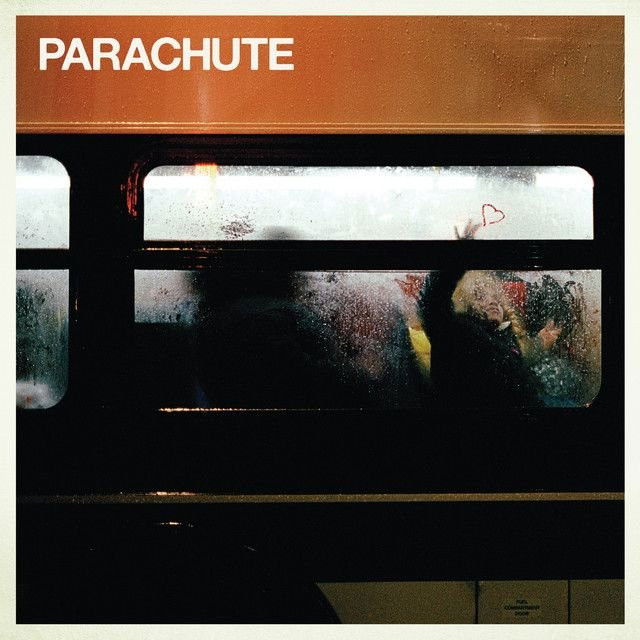
Had It All by Parachute
Why This Breakup Song Hurts So Much
The meaning of Had It All Parachute centers on regret. This is a song about looking back at a relationship that once felt secure, then realizing too late that it was lost through neglect, passivity, or fear. Rather than blaming the other person, the narrator turns inward. They keep replaying the past and asking how something that felt so complete slipped away.
"Had It All" - Parachute
I think about it all the time
We could have had it all
Loading lyrics...
Unable to load lyrics
We're unable to display the lyrics at this time. Please try again later.
That is what gives the song its sting. It is not heartbreak in the heat of the moment. It is heartbreak after reflection, when the narrator already knows what went wrong. From the opening confession, I know I let you down
, the song frames itself as an admission of fault. The emotional weight comes from that honesty.

Watch the official Had It All
music video
A Narrator Stuck Between Memory and Reality
Parachute have long worked in the space between pop-rock warmth and emotional confession, with frontman Will Anderson often leaning into direct, accessible storytelling in both the band’s catalog and public comments about songwriting. The credits provided here list Will Anderson and Jacquire King as writers, which fits the song’s polished but intimate style.
In the lyrics, the speaker is addressing a former partner, but they also seem to be talking to themselves. They say they think about it constantly, and that detail matters. This is not a clean ending. It is a mind caught in replay mode.
Interpretation: The song suggests that regret can become its own prison. The narrator is not just sad that love ended. They are haunted by the belief that they had the power to save it and failed to act.
The Story Unfolds Like a Scene They Cannot Stop Rewatching
One reason the song lands so well is that it gives the breakup a clear visual shape. The lyrics mention a taxi, a station, pavement, and a corner. These are ordinary places, but here they become emotional landmarks.
The narrative moves in a simple arc:
- They believed the relationship had a future.
- A breaking point arrived, and they did not stop it.
- Now they revisit the scene in memory and feel the loss more sharply.
The line about someone leaving in a cab is especially vivid. It shows the breakup as something visible and real, not abstract. Then the song shifts to the station and the street corner, where the narrator metaphorically retraces their steps. When they remember the corner
where they had to choose, the song turns missed action into its central wound.
The Chorus Turns Loss Into a Life Not Lived
The chorus is simple, but that simplicity is the point. The repeated phrase we could have had it all
is not just about romance. It points to a whole possible future: shared plans, stability, and the ordinary life the couple might have built.
That is why another key line hits so hard: life is what you leave behind
. Paraphrased, the narrator has learned that life is measured not only by what people hold onto, but by what they let slip away. In other words, the song treats lost love as a form of self-definition. What they failed to protect now shapes who they are.
Interpretation: The chorus works because it enlarges the breakup. The loss is one person, but it feels like losing an entire world.
The Song’s Biggest Theme Is Inaction
Many breakup songs focus on betrayal or conflict. This one focuses on hesitation. The speaker does not describe a dramatic fight. Instead, they describe not doing enough, not understanding enough, and not fighting hard enough while the relationship was still within reach.
That idea comes through in short but forceful phrases like what's done is done
and one that got away
. The first sounds like an attempt at acceptance. The second shows they do not truly accept it. They still fear this lost relationship may remain the defining love of their life.
This is what makes the song relatable. Many listeners know the pain of hindsight. They know what it feels like to understand the value of something only after it is gone.
How the Sound Supports the Meaning
Even without quoting much, the structure points to a classic emotional build. The verses are cinematic and specific, while the chorus opens into a broader, more universal statement. That contrast is important. It mirrors how memory works: tiny details in the mind, then one overwhelming feeling.
Jacquire King is known for strong, spacious rock and pop production on records by major artists, and that background helps explain the song’s likely balance of intimacy and lift. A song like this benefits from swelling drums, sustained chords, and a vocal that grows more strained as the chorus repeats. Those choices underline the emotional arc from reflection to near-desperation.
Interpretation: The production likely amplifies the narrator’s mental loop. Each repeated hook feels less like a catchy refrain and more like a thought they cannot escape.
Why “Perfect” Changes the Song’s Tone
Late in the song, the narrator says it was perfect and that it was their fault. That is a bold claim. It pushes the song beyond sadness into self-reproach.
Of course, listeners should be careful with that statement. People in grief often idealize the past. So when the narrator insists the relationship was perfect, that may be emotionally true for them without being literally true.
That ambiguity gives the track depth. Was the love actually perfect? Or is memory polishing it because the ending still hurts?
The Lasting Meaning of Had It All
The meaning of Had It All Parachute is about regret, responsibility, and the ache of unrealized futures. Its power comes from how plainly it speaks. The narrator does not hide behind anger. They admit the loss, relive the moment, and face the possibility that their greatest love became a lesson too late.
For many listeners, that is exactly why the song stays with them. It captures a painful truth: sometimes heartbreak is not about what someone did to them, but about what they failed to do when it mattered.
Interpretation disclaimer: This reading is based on the song’s lyrics, structure, and credited writers, and other listeners may hear different meanings in its emotional details.









