Bernadette by Paul Simon
A street-corner love song with a dream inside it
The meaning of Bernadette Paul Simon comes into focus when they hear how the song blends teenage desire, movie imagery, and city-night romance. On the surface, it is a direct love song. A speaker is overwhelmed by a girl named Bernadette and tries to tell her that she has become the center of his imagination.
"Bernadette" - Paul Simon
You're the girl of my dreams
When I'm near you my future seems bright
Loading lyrics...
Unable to load lyrics
We're unable to display the lyrics at this time. Please try again later.
But the song is not just a simple confession. It feels staged, almost like a scene from an old neighborhood musical, where longing is so intense that the ordinary world turns magical. Bernadette is described less as a fully known person and more as an ideal. That matters because the song is really about the gap between real love and romantic fantasy.

Watch the official Bernadette
music video
Where the song sits in Paul Simon’s world
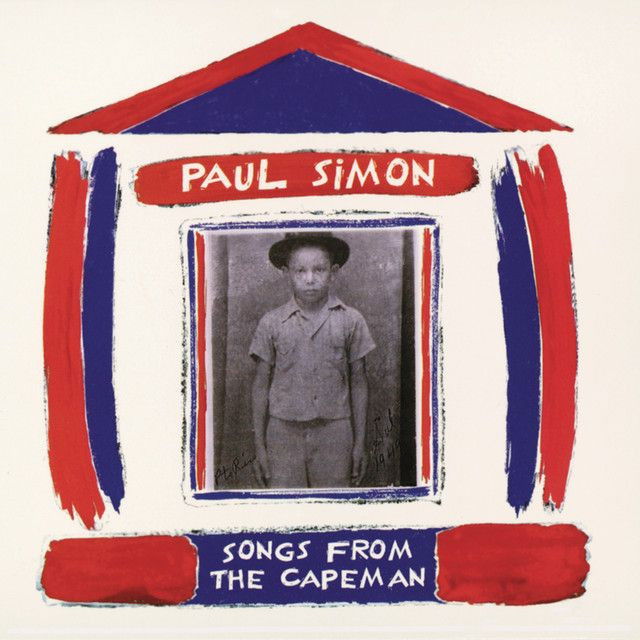
Factually, “Bernadette” appears on Songs from The Capeman, Paul Simon’s 1997 album built from his Broadway project. According to the album’s credits and summaries, Simon co-wrote the material with Derek Walcott, and the album drew on doo-wop, rock and roll, and Puerto Rican rhythms. It was produced by Simon and released after a long gap in his solo studio work.
That context helps the meaning. This is not random nostalgia. Simon was writing songs connected to characters, setting, and theatrical mood. So “Bernadette” works like a dramatic snapshot: a young man seeing love as performance, destiny, and escape all at once.
Who is speaking, and what do they want?
The narrator speaks in first person, but the emotional effect is bigger than one person. They sound breathless, impulsive, and young. Early on, the speaker says they have time on my hands
and sees Bernadette as the girl of my dreams
. Before those phrases, the song has already established a mood of restless anticipation. They are waiting, thinking, and building a fantasy.
The speaker does not describe a mature relationship. Instead, they project a future onto her. When Bernadette is near, life seems clearer and brighter. That makes the song less about mutual love and more about infatuation. Interpretation: Bernadette may be real, but the version in the song is shaped by the singer’s hunger, not by what they truly know about her.
The movie-screen romance at the center
One of the song’s smartest details is the line about Sal Mineo. The speaker says, in effect, that love makes them feel like they are inside a film. The phrase I am Sal Mineo
turns desire into a role they are acting out.
That reference matters because it shows how pop culture shapes emotion. The narrator is not only in love; they are performing love through the language of old movies and idol worship. Bernadette becomes not just a girl but a star, a fantasy figure, someone lit by memory and style.
This also explains the song’s exaggerated sweetness. When the speaker calls her the smile of the moon
, they reach for impossible imagery because plain speech no longer feels enough. The crush has crossed into myth.
How the images build a private city of desire
The lyrics move through wind, summer night air, Central Park, candles, diamonds, and a cross over the bed. None of these images tells a full plot, but together they build an emotional landscape. The city becomes intimate and sacred at the same time.
When the leaves are dark
hiding place in Central Park
This brief moment suggests secrecy, adventure, and teenage romance. They are not planning a normal date. They want a hidden place where the world can match the drama in their head.
The religious image of the wooden cross and the glowing candles adds another layer. Interpretation: the song treats desire almost like devotion. Bernadette is not worshipped in a literal sense, but she is elevated, protected, and surrounded by symbols of reverence. That helps explain why the song feels both innocent and intense.
Why the sound matters as much as the words
Musically, “Bernadette” leans into retro pop language. The doo-wop syllables and repeated vocal patterns evoke street-corner harmony and 1950s teen records. On the broader album, Simon worked in styles tied to old New York, Latin rhythm, and theatrical storytelling; that makes this track feel located in a living neighborhood rather than in abstract pop space.
The arrangement matters because it softens the risk of obsession. If these same words were sung over dark modern production, they might sound controlling or unstable. Here, the buoyant oldies frame makes the feeling seem earnest, awkward, and youthful. The music tells listeners to hear the speaker as dazzled, not dangerous.
It also supports the song’s tension between sincerity and playacting. The narrator means what they say, but the stylized sound reminds listeners that they are also performing a romantic script handed down by music, movies, and memory.
A song about love, or about idealization?
The best answer is both. On one level, the song is a vivid portrait of a crush so strong that language starts sparkling. On another, it shows how easily desire becomes projection. Bernadette is presented through style, moonlight, and fantasy more than through personality.
That dual meaning is what keeps the song interesting. It is sweet, but not simple. It celebrates being overwhelmed by beauty while quietly showing the limits of that kind of love. They do not really know Bernadette; they know what she awakens in them.
For many listeners, that is the emotional truth at the heart of the meaning of Bernadette Paul Simon: love begins not with certainty, but with imagination. And in this song, imagination lights up the whole city.
Final takeaway
“Bernadette” is a compact, theatrical love song about infatuation turning the world luminous. Its old-pop sound, film references, and glowing urban imagery all point to the same idea: the speaker is less describing a relationship than living inside a romantic vision.
That vision is what gives the song its charm. It feels young, dramatic, and tender all at once.
Disclaimer: This interpretation separates factual context from critical reading. Like many songs, “Bernadette” can support more than one meaning depending on the listener.







