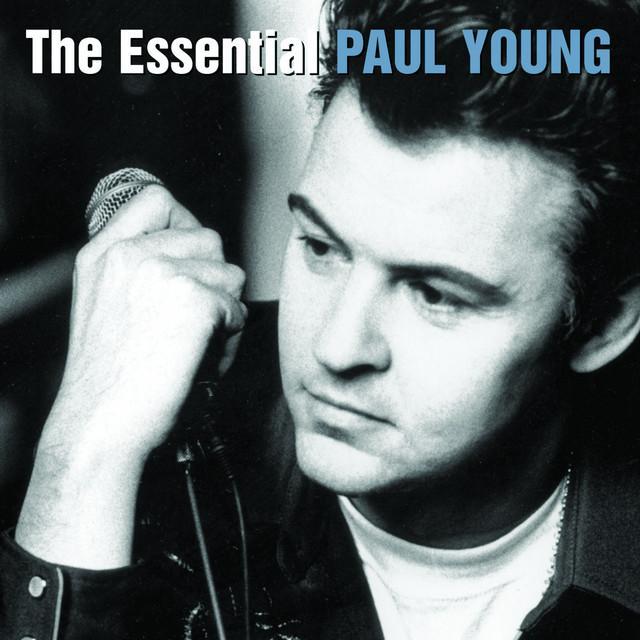
Every Time You Go Away by Paul Young
A breakup song built on emotional erosion
The meaning of Every Time You Go Away Paul Young is not hard to feel, even if the words are simple. The song is about a relationship that keeps breaking and restarting, with each departure leaving lasting damage. Rather than describing one dramatic ending, it focuses on repeated separation and the slow wearing down of a person who still loves deeply.
"Every Time You Go Away" - Paul Young
If we can solve any problem
Then why do we lose so many tears?
Loading lyrics...
Unable to load lyrics
We're unable to display the lyrics at this time. Please try again later.
That idea is captured in the chorus phrase take a piece of me
. The singer is not saying they are merely sad. They are saying each goodbye changes them. The hurt is cumulative, which is why the song feels heavier than a standard love ballad.
Factually, Paul Young's 1985 version was written by Daryl Hall and appeared on The Secret of Association. It became a No. 1 hit in the United States, which helped turn this private emotional struggle into a big pop moment.

Watch the official Every Time You Go Away
music video
Who the singer seems to be talking to
The song uses direct address, so the listener hears one partner pleading with the other. The voice is personal and wounded, but not cruel. Even when the singer sounds frustrated, they still believe the relationship has value.
That tension shows up in lines about having everything
and yet still falling apart. The couple seems to have real connection, but something keeps interrupting it. One striking detail is the mention of the leading man
, which suggests a rival, a fantasy figure, or a pattern of chasing excitement elsewhere.
Interpretation: That image may mean the other person is drawn to charm, novelty, or instability. The singer sees this as a cycle: whenever a new possibility appears, the partner leaves again.
How the lyrics move from confusion to resignation
The opening starts with a question. If people can solve problems, why is there still so much pain? That thought gives the song its core conflict. Love should be enough, but in practice it is not fixing the relationship.
From there, the verses trace a familiar loop:
- The partner leaves.
- The singer tries to reason with them.
- The same argument returns.
- The chorus admits the emotional cost.
By the time the song repeats every time you go away
, it no longer sounds like surprise. It sounds like exhausted recognition. The singer has seen this pattern too many times.
you think that I don't care
I'll be with you everywhere
This brief late-song moment sharpens the meaning. The singer believes their love is being misunderstood. They do care, and maybe care too much. That is why they are left picking up the pieces
after each exit.
The chorus is simple because the wound is simple
One reason the song has lasted is that the hook is easy to understand. Many heartbreak songs get lost in detail. This one reduces the feeling to one strong image: loss as subtraction.
Interpretation: The chorus suggests that love creates a shared self. When one person leaves, they do not just leave a room or a relationship status behind. They walk away with part of the other person's identity, peace, and confidence. That is why the line feels so universal.
The wording also avoids anger. The partner is not called evil or dishonest. Instead, the song sits inside grief. That softer approach gives the performance its ache.
Why Paul Young's version hits so hard
Daryl Hall first recorded the song with Hall & Oates in 1980, but Paul Young's cover reshaped it for mid-1980s pop. According to the song's Wikipedia entry, Young's recording features echoed piano, a Yamaha DX7 harp-like sound, John Turnbull's electric sitar and acoustic guitar, and Pino Palladino's famous fretless bass.
Those choices matter. The fretless bass glides instead of thumps, which makes the song feel unsteady and emotional. The bright keyboard tones give it polish, but the vocal keeps it human. Young sings with restraint at first, then opens up on the chorus, making the repeated pain feel both intimate and radio-ready.
Daryl Hall briefly praised the craftsmanship of the song and said Young's production kept the original soul elements but made it more commercial. That helps explain why the cover connected so widely. It preserved the hurt while wrapping it in a smoother pop sound.
A song about distance, not just departure
The deepest meaning may be less about one breakup than about emotional inconsistency. The partner seems present, then absent; loving, then unreachable. The singer is not mourning someone fully gone. They are mourning someone who keeps leaving in stages.
That is an important difference. Temporary exits can be more painful than clean endings because they keep hope alive. The song's repeated structure mirrors that trap. Every return invites belief, and every departure deepens the damage.
Interpretation: This is why the song can speak to listeners beyond romance. It can fit any bond where one person is unreliable but deeply important.
Why it still resonates in the U.S.
For American listeners, Paul Young's version remains the defining one partly because it topped the Billboard Hot 100 in 1985 and became his biggest U.S. hit. Its polished soul-pop sound fits its era, but the emotional message is timeless.
The song also avoids overexplaining itself. It leaves room for listeners to place their own story inside it: divorce, long-distance love, an on-and-off romance, or even a drifting friendship. That openness is part of its staying power.
The lasting takeaway
The meaning of Every Time You Go Away Paul Young is the pain of being repeatedly left by someone whose absence never feels small. The song turns that pain into one memorable image of emotional loss, then lets Young's voice and the sleek production carry it the rest of the way.
It is a polished pop hit, but at heart it is about damage that happens a little at a time. That is why it still lands.
Disclaimer: This interpretation is based on the released lyrics, recording context, and documented production history. As with any song, listeners may hear meanings that differ from the artist's intent.








