Why Pavement’s ‘Cut Your Hair’ Still Bites
Pavement’s “Cut Your Hair” sounds playful on the surface, but the meaning of Cut Your Hair Pavement goes deeper than a catchy alt-rock hook. The song pokes at a music world where looks, trends, and marketability can matter as much as talent. Instead of giving a neat moral speech, they deliver that idea with jokes, fragments, and a shrug that never fully hides its frustration.
"Cut Your Hair" - Pavement
(Ooh-ooh, ooh-ooh-ooh-ooh)
(Ooh-ooh, ooh-ooh-ooh-ooh, ooh-ooh)
Loading lyrics...
Unable to load lyrics
We're unable to display the lyrics at this time. Please try again later.
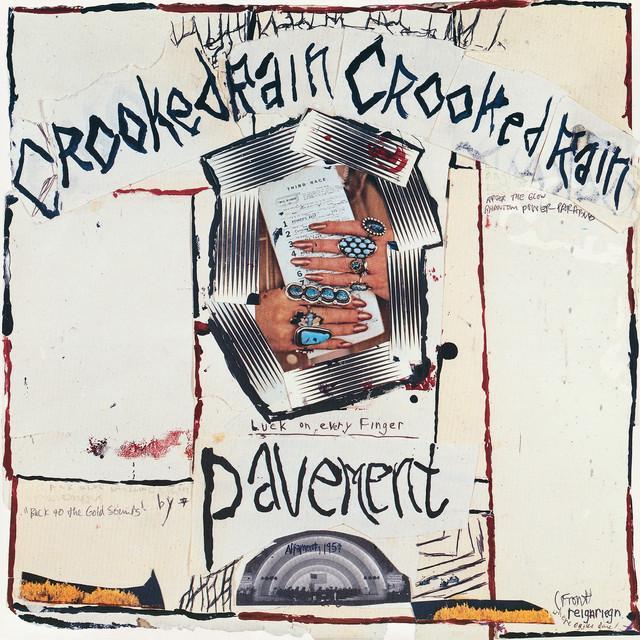
Released on Crooked Rain, Crooked Rain, the track became one of Pavement’s best-known songs. Stephen Malkmus wrote it, and its success is part of the irony: a song mocking the machinery of cool became a minor hit inside that very machinery.
A Haircut as a Symbol of Selling Out
At the center of the song is a simple image: changing a haircut to change a life. When the singer warns, cut your hair
, the phrase is not really about grooming. It points to pressure to remake the self so other people will approve, especially gatekeepers in the music business.
That pressure feels both personal and commercial. The opening sounds like advice to someone trying to become more desirable or more successful, but the song quickly widens into a satire about image management. A haircut becomes a symbol for compromise: alter the surface, hope the industry rewards it.
Interpretation: They are not saying every style change is fake. They seem to be mocking the belief that appearance alone can unlock authenticity, romance, or artistic success.
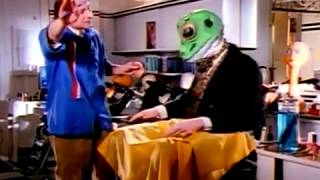
Watch the official Cut Your Hair
music video
The Real Target Is the Music Industry
The sharpest lines in the song aim at the scene around bands, labels, and hype. When Pavement refers to the music scene
being crazy, they frame a world crowded with disposable acts, shallow buzz, and constant reinvention. New bands appear daily, yet few leave a lasting mark.
The most revealing moment may be the repeated interest in the drummer’s appearance. By asking about the drummer’s hair, the song reduces criticism to surface chatter. Instead of discussing songs, craft, or feeling, people obsess over style details.
That idea becomes even clearer in the verse about commerce. The phrase songs are bought
links art to the marketplace in blunt terms. Pavement suggest that once music becomes a product, artists can start treating themselves like products too.
Why the Lyrics Feel So Fragmented
Part of the meaning comes from how scrambled the words can seem. The song jumps from romance to charts, then to band gossip, then to advertising. That loose structure mirrors the chaos of media culture, where image, sales, rumor, and art all blur together.
I really don't care
Did you see the drummer's hair?
This is the song’s funniest and saddest turn. It acts like indifference, then instantly proves the opposite. The speaker claims not to care, but they are trapped in the same shallow loop they are mocking.
Interpretation: That contradiction matters. The narrator is not standing outside the system in total purity. They sound annoyed by the culture, but also aware that they are living inside it.
Sound That Shrugs While It Cuts
The music helps sell the satire. “Cut Your Hair” has bright guitars, a driving beat, and an easy sing-along chorus, but it never sounds polished in a slick, corporate way. That balance is crucial. Pavement use pop structure without fully submitting to pop gloss.
Their slacker-era looseness gives the song its bite. Malkmus sings with a dry, almost tossed-off tone, which makes the criticism feel casual and sharper at the same time. They do not rant. They let the joke land with a half-smile.
This matters for the meaning of Cut Your Hair Pavement because the production acts out the song’s argument. It is catchy enough to enter the mainstream, yet scruffy enough to resist being cleaned up for it. According to the band’s album history at Britannica, Pavement became central to American indie rock partly because they made this kind of offhand style feel deliberate.
Fame, Anxiety, and the Joke Beneath the Joke
There is also an undercurrent of fear in the song. References to charts, career pressure, and image suggest that success can distort how artists see themselves. The line about being just a boy
with a new look hints at insecurity as much as vanity. Reinvention may be less about confidence than survival.
That makes the song more human than a simple sneer. It is not only laughing at vain musicians or trend-chasing fans. It also notices how the whole system teaches people to perform themselves.
Two Strong Readings
- Industry satire: The song mocks labels, media, and scenes that reduce musicians to branding.
- Identity crisis: The song explores how artists absorb those pressures and start doubting what is real about themselves.
Both readings fit because Pavement keep the tone slippery. They use humor to avoid preaching, but the criticism is still real.
Why It Still Connects Now
The song remains relevant because its target did not disappear. Today, musicians still face pressure to package a look, build a persona, and stay visible. Social media has only intensified the old question behind the song: does image help the art, or replace it?
That is why “Cut Your Hair” lasts. It captures a specific 1990s indie-rock moment, but it also speaks to a permanent tension in pop culture. People want authenticity, yet they often reward presentation first.
The Bottom Line on the Song’s Meaning
In the end, the meaning of Cut Your Hair Pavement is about more than vanity. It is a witty critique of a culture that confuses style with substance and fame with value. By making the song catchy, funny, and slightly messy, Pavement turn that critique into something memorable rather than moralizing.
That tension is the whole point: they sound amused, but not innocent; detached, but not untouched. Interpretation: this article offers one reading of an intentionally slippery song, and listeners may hear other shades in it.








