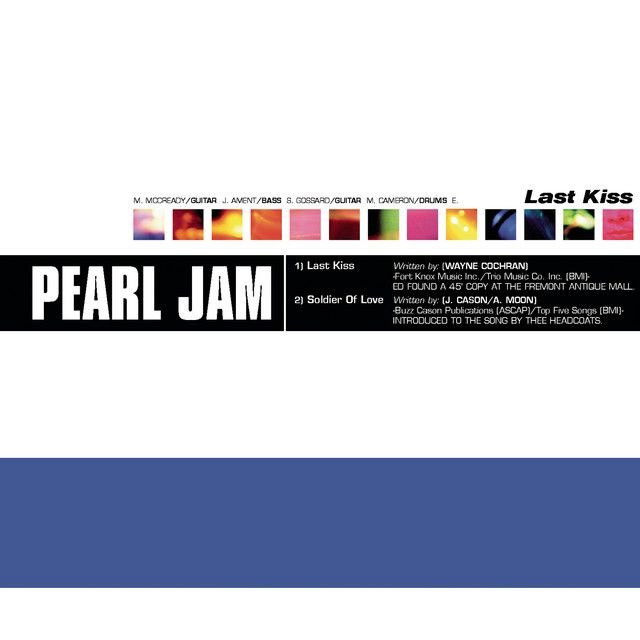
Last Kiss by Pearl Jam
A cover became Pearl Jam’s biggest hit, and that irony is part of the pull. Their spare take on a 1961 teen-tragedy ballad feels both timeless and freshly raw. This guide unpacks the meaning of Last Kiss Pearl Jam, from its grief-soaked story to why the band’s restrained performance still resonates.
"Last Kiss" - Pearl Jam
The Lord took her away from me
She's gone to Heaven so I got to be good
Loading lyrics...
Unable to load lyrics
We're unable to display the lyrics at this time. Please try again later.
A crash, a prayer, and the ache that lingers
At its core, the song is about sudden loss and survivor’s guilt. A couple heads out on a date. A stalled car appears. The narrator swerves, and life changes in a second. The chorus circles a simple plea—Oh, where can my baby be
—and a hard fact: the Lord took her
.
Interpretation: The refrain frames grief as a conversation with fate. The singer isn’t only mourning; they’re bargaining for meaning. Heaven becomes a coping tool and a promise that love might outlast death.

Watch the official Last Kiss
music video
Who speaks, and who they’re really talking to
The song is told in first person, which pulls listeners into the front seat. They wake to chaos—the rain was pourin' down
—and shift between addressing us, their lost love, and a higher power. That mix of audiences makes the story feel confessional and prayerful at once. It’s a private moment sung in public.
The story in four quick beats
- Date night in a borrowed car. A stalled vehicle appears straight ahead.
- Panic and impact, captured in clipped images:
screamin’ tires
andbustin’ glass
. - The narrator wakes in the rain and finds their partner.
- A final embrace and parting—
last kiss
—followed by the vow to live right and someday reunite.
Those snapshots avoid melodrama. They read like memory fragments, which matches how shock often works: loud sounds, blurred edges, one detail you can’t unsee.
What the chorus really says
Each return to the hook blends searching with surrender. The line got to be good
turns grief into a moral pact: if they live well, they might see her again. Interpretation: In American pop tradition, this is how teen-tragedy songs square chaos with order—by turning heartbreak into a lesson about fate, faith, or choices.
One scene that breaks the heart
The song’s most intimate exchange makes the loss real.
"Hold me, darling, just a little while"
"I held her close, I kissed her our last kiss"
These two lines compress an entire goodbye. There’s no speech about the future—only touch, a request for comfort, and silence after.
Symbols and motifs decoded
- The car: freedom flipping into danger in a split second.
- Rain: confusion and cleansing at once, echoing shock and tears.
- Night drive: romance turning to risk, a staple of early-’60s ballads.
- Prayer language: the chorus’s Heaven imagery turns grief into ritual.
Interpretation: These images place the song within the 1960s “teen tragedy” lineage while keeping the focus on a universal question—how do they keep living with that memory?
How Pearl Jam’s sound carries the weight
Pearl Jam’s version is purposefully plainspoken. Clean, chiming guitars and a gentle backbeat leave room for Eddie Vedder’s low, steady vocal. He rarely belts; instead, he leans into restraint, which makes each word land heavier. That choice suits a narrative where every detail counts.
The band first worked it up after Vedder found an old single of the J. Frank Wilson hit, then recorded it during a 1998 soundcheck. Airplay spread organically before an official release in 1999, and they steered proceeds to international aid groups via the No Boundaries benefit album. It climbed to #2 on the Hot 100 and became their highest-charting U.S. song. Those facts matter to the meaning, too: the track connected across generations without hype, suggesting the story—and the way Pearl Jam tell it—cuts straight to shared human experience.
The original authorship and a curious origin story
“Last Kiss” was written by Wayne Cochran and first recorded in the early ’60s. J. Frank Wilson & The Cavaliers made it a hit in 1964. Cochran later linked his lyric to a fatal crash near his Georgia home, though the widely noted accident happened after his recording. That mismatch underscores the song’s feel: it sounds like a real memory because it mirrors a kind of tragedy that happens too often, not because it replays one exact event.
Alternate readings that listeners bring
- Cautionary tale: Interpretation—read as a warning about driving at night or teen risk-taking. The stalled car and the helpless swerve reinforce the thin line between normal life and disaster.
- Spiritual bargain: Interpretation—the narrator’s vow to “be good” isn’t doctrine; it’s a survivor’s way to keep moving, giving shape to grief through faith.
Both views can live together. One looks outward toward safety; the other inward toward meaning.
What stays after the sirens fade
The meaning of Last Kiss Pearl Jam isn’t just that someone died. It’s that love can be strongest at the edge of silence, and that people reach for faith—any faith—when facts fail. Pearl Jam honor that truth by getting out of the way and letting the story speak.
Disclaimer: Song meanings are subjective. This article offers interpretations alongside documented context from reputable sources.