What "I’ll Fall With Your Knife" Really Means
Peter Murphy’s “I’ll Fall With Your Knife” sounds dramatic from the title alone, but the song is less about violence than loyalty. The core of the meaning of I'll Fall With Your Knife Peter Murphy is a promise: they will stay close to someone who feels emotionally cut off, damaged, or distant, even when that bond brings pain.
"I'll Fall With Your Knife" - Peter Murphy
To the world
You were so dry
Loading lyrics...
Unable to load lyrics
We're unable to display the lyrics at this time. Please try again later.
According to Songfacts, Murphy described the title as “an attempt to describe or evoke a conditional commitment to one partner.” That line matters. It suggests devotion, but not simple devotion. This is love offered in hard weather, with risk built into it.
A Love Song Wrapped in Gothic Imagery
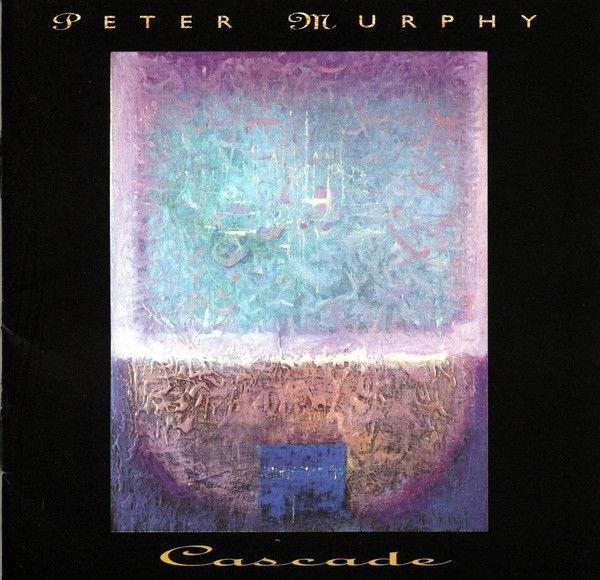
The song appears on Cascade (1995), and Songfacts notes that it was written by Peter Murphy and Paul Statham. Murphy, of course, is best known as the former frontman of Bauhaus, a band tied strongly to gothic rock. That background helps explain why the song speaks in images instead of plain statements.
Rather than saying “I will support you,” the lyric paints a person who seems emotionally emptied out. Early lines describe them as so dry
, then compare their condition to winter in July
and a barren river wide
. Those are images of life gone missing where it should exist. Summer should be warm. A river should flow. In this song, both feel blocked.
That is why the narrator’s response matters so much. They do not judge the other person’s dryness. They move toward it.
Watch the official I'll Fall With Your Knife
music video
Who Is Speaking, and What Are They Promising?
The voice in the song is first person, but the emotional focus stays on the wounded “you.” The singer keeps reaching outward, trying to bridge the distance. The repeated promise I’ll be with you
turns the whole track into a vow of presence.
Interpretation: This is not a carefree romance. It sounds like a relationship where one person is struggling, withdrawing, or losing hope, while the other chooses solidarity over escape.
That reading becomes even stronger in the title phrase. To “fall with” someone’s knife suggests sharing the consequences of their pain. The knife feels symbolic: hurt, self-sabotage, sharp words, or destructive choices. Instead of standing safely apart, the narrator says they will go down too.
I’ll bleed like the reed
Fall with your knife
Those two lines condense the song’s emotional logic. The speaker is willing to be wounded by the bond, or at least willing to accept that closeness will hurt.
How the Images Connect to the Theme
The lyric uses birds, sky, water, sun, moon, and blood. Each image points back to the same central idea: trying to revive connection in a place of emotional drought.
The bird with a broken wing
The song mentions a made or symbolic bird sent toward the other person, then says it sails with damage. A bird usually suggests freedom, spirit, or a message. Here, that message arrives hurt. Even attempts at love seem fragile.
Drought and flood
The narrator says they will pray for renewal. The image of a flood washing over the other person reverses the earlier dryness. In plain terms, they hope feeling will return. They want numbness replaced by life.
Sun and moon
When the lyric imagines the sun bursting and the moon being blown away, it sounds cosmic and unstable. Interpretation: these may represent inner cycles, moods, or hope and illusion. The relationship feels so intense that private pain is described like a shift in the heavens.
Why the Chorus Feels So Heavy
A big reason people remember this song is that its refrain is simple but weighty. Murphy does not clutter the hook with detail. He returns to the same promise again and again, and that repetition makes it feel stubborn, almost ritual-like.
The title line works because it is both romantic and alarming. It says, in effect: even if your pain harms me, I will not leave. That is where the meaning of I'll Fall With Your Knife Peter Murphy becomes emotionally complicated. The song admires commitment, but it also shows how love can blur into sacrifice.
How the Sound Carries the Meaning
The production on “I’ll Fall With Your Knife” helps sell this tension. Cascade leans into a sleek 1990s alternative rock sound while keeping Murphy’s moody, theatrical edge. The guitars and keyboards create a wide, gliding backdrop, and the rhythm section pushes forward without sounding rushed.
Murphy’s vocal is the key instrument. He sings with gravity, but not with total despair. That balance matters. If he sounded broken, the song would feel defeated. Instead, he sounds resolved.
Interpretation: The arrangement mirrors the lyric’s mixture of beauty and damage. It feels spacious, but shadowed; melodic, but uneasy. That is why the song lands as a dark love song rather than a simple ballad.
Artist Context and Reception
Murphy’s solo work often blends intimacy with mysticism, and this track is a strong example of that habit. Songfacts also notes that the song was used over the opening credits of the 1997 film Trojan War, which helped place its moody pull in a broader pop culture setting.
For many listeners, this is one of Murphy’s most accessible solo songs because it balances atmosphere with a clear emotional center. Even if every image is not fully literal, the feeling is easy to grasp: one person sees another in pain and refuses to step back.
The Best Way to Read the Song
The best reading is that “I’ll Fall With Your Knife” is about fierce, possibly dangerous loyalty. The speaker sees someone emotionally dried out, isolated, and wounded, and answers with companionship rather than distance.
At the same time, the song leaves room for caution. Interpretation: “conditional commitment” implies a bond with limits, terms, or consequences. So the song is not blindly celebrating suffering. It is recognizing that deep attachment can ask a person to share another’s wounds.
In short, the meaning of I'll Fall With Your Knife Peter Murphy lies in its paradox: it is tender, dark, romantic, and unsettling all at once.
Disclaimer: This interpretation is based on the released lyrics, documented song facts, and musical context. As with most poetic songs, listeners may hear different meanings.








