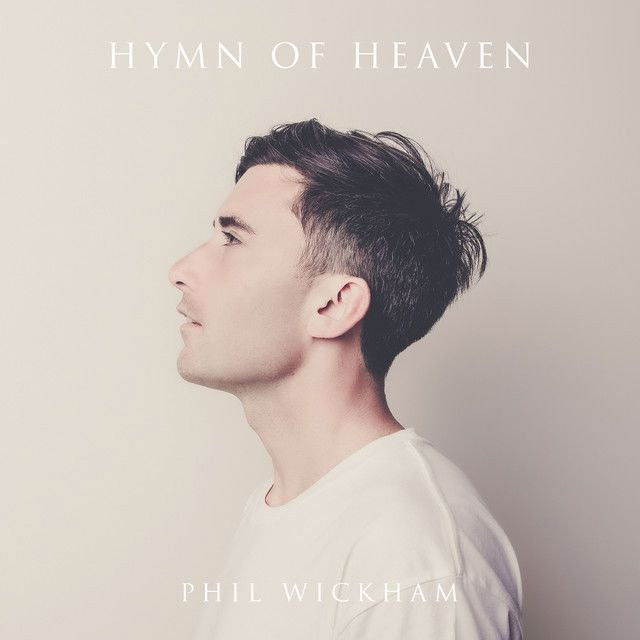
Why 'Hymn Of Heaven' Feels Like a Promise
The meaning of Hymn Of Heaven Phil Wickham comes down to one big idea: future hope that changes the present. The song looks ahead to a Christian vision of heaven, resurrection, and the end of sorrow. But it does not stay in the future. It also asks listeners to live now in light of that coming day.
"Hymn Of Heaven" - Phil Wickham
Where pain is gone and mercy fills the streets
To look upon the One who bled to save me
Loading lyrics...
Unable to load lyrics
We're unable to display the lyrics at this time. Please try again later.
Released on Phil Wickham’s album Hymn of Heaven in 2021 and later pushed as a single in 2022, the song became one of his biggest worship hits. According to current chart and release data, it reached No. 2 on Billboard’s Hot Christian Songs chart, hit No. 1 on Christian AC, earned RIAA Gold certification, and won the 2022 GMA Dove Award for Worship Recorded Song of the Year.
The Song’s Core Message Starts With Longing
At the start, the lyrics imagine a place where suffering has ended and closeness with God is complete. When the song says pain is gone
, it frames heaven not just as a location, but as total healing. That matters because the verses are built from human weakness: desperate prayers, fear, doubt, and waiting.
This is why the song lands so strongly with church audiences and with people walking through loss. It does not deny hardship. Instead, it places hardship inside a larger promise. The emotional move is simple but effective: present pain is real, but it is not final.
A Faith Song About the Future—and the Present
Phil Wickham explained that the song is about bringing heaven into this moment by how people act, speak, and live. That comment is important because it widens the meaning. The song is not only saying, “one day things will be better.” It is also saying believers should practice heaven’s values now.
So the hope is two-part:
- One day, suffering and death will end.
- Until then, people can live under that future promise.

Watch the official Hymn Of Heaven
music video
How the Chorus Turns Hope Into Certainty
The chorus is where the song becomes an anthem. It repeats There will be a day
, which gives the lyrics a strong sense of certainty. Instead of wondering whether healing or justice will come, the chorus speaks as if that ending is already guaranteed.
That repeated structure matters. Each time the line returns, it answers the doubts described earlier in the song. The prayers offered in fear are not wasted. The songs sung through uncertainty still matter. In that sense, the chorus works like reassurance after grief.
One especially important phrase is death will be no more
. The song’s theology is very clear here: death is presented as a defeated power, not an unchangeable fact. For listeners in mourning, that can feel deeply consoling.
The Biblical Imagery Behind the Lyrics
The song draws heavily from Christian scripture and worship language. The image of all people bowing, the end of tears, resurrection, and the cry of holiness all echo well-known biblical scenes from Revelation and other New Testament passages.
A short section near the end captures the scale of that vision:
With one voice, a thousand generations
Worthy is the Lamb
Here, the song imagines heaven as united worship across time. The focus is not on private escape, but on a huge gathered chorus. That is one reason the song feels communal. Even when a single person sings it alone, the lyrics picture them joining something much bigger.
Sound, Structure, and Why It Feels So Lifting
Musically, “Hymn of Heaven” supports its message with patience and build. Reported composition details list it in the key of E, at about 71 BPM, in 4/4 time. That slower tempo gives the song room to breathe. It does not rush toward triumph; it grows into it.
The production, handled by Jonathan Smith, leans into modern worship dynamics: soft reflection in the verses, a wider and more open chorus, then a full communal swell near the end. Backing vocals are especially important. They make the song sound less like a solo reflection and more like a congregation joining in.
That choice fits the lyric idea of saints, angels, and generations singing together. In other words, the arrangement is not just pretty. It reinforces the meaning.
A Song About Grief, Endurance, and Worship
Interpretation: One strong reading is that the song speaks directly to people carrying grief. The lines about prayers said in desperation and faith held through fear suggest a community that has suffered and kept going.
Under this reading, the song does not offer easy comfort. It offers durable comfort. It says the tears are seen, the waiting is hard, and the story is unfinished. When the song reaches wipe away our tears
, it points toward healing after real pain, not before it.
Interpretation: Another reading is that the song is also about worship itself. The title uses the word “hymn,” which connects the song to older church traditions, while the sound stays modern and radio-friendly. That mix helps explain its broad reach: it feels rooted and current at the same time.
Why the Song Connected So Widely
Critics and worship reviewers often described the track as church-ready and anthemic, and that response makes sense. The song is simple enough to sing in a group, but large enough in theme to feel momentous. It is both personal and public.
The meaning of Hymn Of Heaven Phil Wickham lasts because it addresses a basic human need: people want to believe sorrow is not the last word. This song answers that need with clear Christian hope, vivid worship imagery, and a melody built to rise.
The Final Take
In the end, “Hymn of Heaven” is about more than heaven as a distant reward. It is about letting the promise of eternity shape courage, worship, and endurance right now. That is why the song feels less like escape and more like steady confidence.
Its message is simple: keep singing, keep trusting, and remember that present tears do not cancel future joy.
Disclaimer: This interpretation blends lyrical analysis with publicly available artist comments and song data. Meaning can vary by listener, faith background, and personal experience.








