Why 'One of These Days' Feels So Threatening
Pink Floyd’s Meddle opens with a song that barely uses words, yet it says a lot. For anyone searching for the meaning of One of These Days Pink Floyd, the key is not a hidden plot. It is the feeling of pressure, menace, and release that the band builds through sound.
"One of These Days" - Pink Floyd
I'm going to cut you into little pieces
Loading lyrics...
Unable to load lyrics
We're unable to display the lyrics at this time. Please try again later.
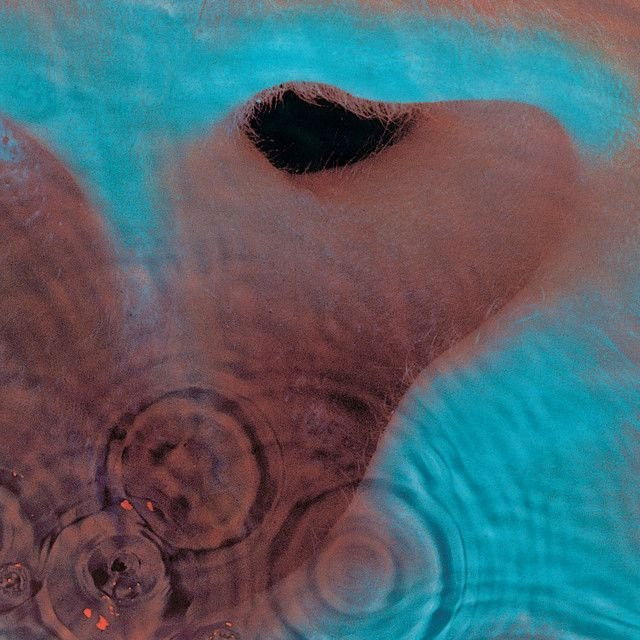
Released on Meddle in 1971, the track is credited to David Gilmour, Roger Waters, Richard Wright, and Nick Mason, and produced by Pink Floyd. It is mostly instrumental, with one famous spoken threat from Mason, processed to sound eerie and inhuman.
A Threat Turned Into Atmosphere
At the center of the song is the line One of these days
. It suggests delayed revenge, as if anger has been building for a long time. Then the song lands its only full statement.
I'm going to cut you into little pieces
Taken literally, that sounds brutal. But the song does not play like a crime story. Interpretation: the line works more like a burst of bottled-up rage. It gives a voice to tension that the instruments have already been creating for minutes.
That matters because Pink Floyd do not explain who is speaking, who is being threatened, or what happened before. The missing details make the song larger. Instead of one clear target, the feeling becomes universal: frustration, resentment, and the fantasy of finally striking back.

Watch the official One of These Days
music video
Why the Music Carries the Real Meaning
The track’s famous pulse comes from double-tracked bass guitars, hard-panned in stereo, with a Binson Echorec delay effect. That repeating pattern is the engine of the song. It does not simply support the idea; it is the idea.
The riff feels mechanical, stubborn, and unstoppable. As it repeats, the listener gets pulled into a loop, almost like obsessive thinking. Interpretation: this is what makes the song feel less like a message and more like a state of mind.
The arrangement deepens that effect. Wright’s organ parts and treated piano add a foggy, haunted space around the bass. Mason’s drums push the track forward without softening it. Then Gilmour’s slide guitar cuts across the groove like a siren.
Reviewers have often highlighted that force. Rolling Stone called it a strong, high-energy opener, and later writers praised how the bass, organ, and guitar lock into waves of sound. That reception fits what many listeners hear right away: this is tension made physical.
From Experiment to Controlled Attack
Part of the song’s power comes from how collaborative it was. David Gilmour later said it was among the band’s most collaborative efforts. Accounts of the recording describe the riff growing out of effect experiments, then being shaped by the whole group.
That origin matters to the meaning of One of These Days Pink Floyd because the song does not sound like one songwriter telling a neat story. It sounds like a band building pressure together. Even the famous vocal is altered with tape slowing and processing, which turns a human voice into something warped and hostile.
There is also a real-world anecdote behind the line. It has often been linked to BBC broadcaster Sir Jimmy Young, whom the band reportedly disliked. That gives the threat a possible target.
Still, the song outgrew that private joke. Most listeners do not need that backstory to feel what the track is doing. The anger feels broader than one radio personality.
What the Song May Be Saying About Its Moment
Some commentary around the track has described it as a response to the social mood of the time. Roger Waters reportedly referred to it as a poignant appraisal
of the contemporary situation. That is a broad statement, but it helps.
In the early 1970s, rock music was full of uncertainty, political stress, and changing expectations. Pink Floyd often translated those feelings into sound rather than direct slogans. Here, the grinding repetition and sudden threat can be heard as a picture of modern strain.
Interpretation: the song may be about the way pressure builds in public life until it turns ugly. The repeated groove suggests routine and machinery, while the outburst suggests the violence hidden under calm surfaces.
The Strange Calm in the Middle
One of the smartest things in the track is the middle passage. The song briefly opens up and feels less crushing. Some listeners hear a wink toward the Doctor Who theme in that section, especially in live versions.
That break is important because it stops the track from being one-note. Instead of pure attack, Pink Floyd create suspense. The listener gets a breath, but not safety. When the main force returns, it feels even heavier.
This push and pull is central to the song’s meaning. Interpretation: rage is not constant screaming. It surges, recedes, and comes back stronger.
Why It Still Hits So Hard
The song remained a live favorite for years, from the Meddle era to later Pink Floyd tours and even solo performances by Gilmour and Waters. That staying power says a lot.
It lasts because it captures something simple and lasting: the thrill and danger of pent-up anger. The words are minimal, but the emotion is huge. Listeners do not need a detailed lyric sheet to understand it.
For many fans, the meaning of One of These Days Pink Floyd is this: a near-wordless study in menace, frustration, and release. It is a threat, but also a mood. It is personal, but it also sounds social. Most of all, it proves that Pink Floyd could tell a powerful emotional story without relying on many words at all.
Final Take on the Song’s Message
If they hear the track as a literal revenge fantasy, that reading makes sense. If they hear it as a portrait of modern anxiety and bottled-up aggression, that also fits the music and context.
Either way, the song’s power comes from tension between control and explosion. That is why it still feels alive more than 50 years later.
Disclaimer: This interpretation mixes documented facts with informed reading of the music and lyrics. Pink Floyd’s songs often invite multiple valid meanings.









