Why Pixies Made Pop Sound Unsettling
The meaning of Here Comes Your Man Pixies is stranger than its sunny hook first suggests. On the surface, it sounds like one of the band’s most accessible songs: bright guitars, a catchy chorus, and a breezy rhythm. Underneath that shine, though, the lyrics point to fear, waiting, and a sudden natural disaster.
"Here Comes Your Man" - Pixies
Outside the family stew
Out by the fire breathing
Loading lyrics...
Unable to load lyrics
We're unable to display the lyrics at this time. Please try again later.
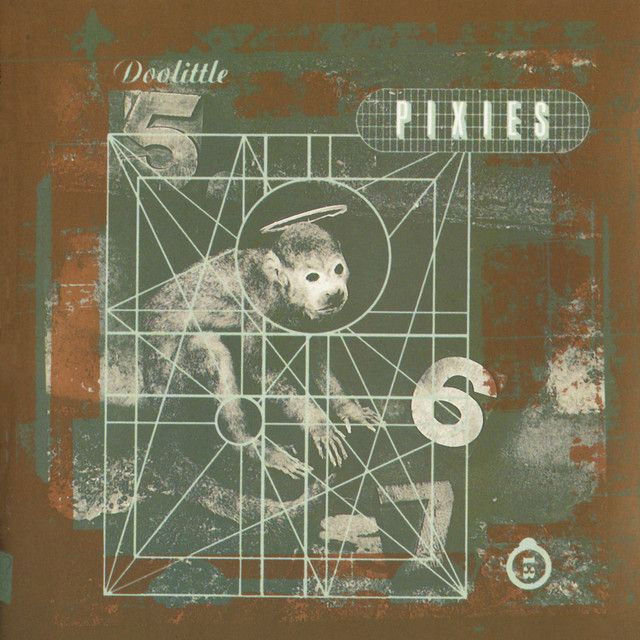
Pixies released the song as the second single from Doolittle in 1989, and it became one of their biggest crossover tracks. It reached No. 3 on Billboard’s Modern Rock chart, helping turn a beloved underground band into a broader alternative-rock force. That tension between pop appeal and unsettling content is the key to why the song still fascinates listeners.
The clearest meaning starts with Black Francis
Factually, the most direct explanation comes from songwriter Black Francis, also known as Charles Thompson. He said the song was about hobos or drifters riding trains who die in a California earthquake, a comment widely repeated in later coverage. He also later described the track as Hobo film noir
, which fits the song’s mix of dusty travel imagery and looming doom.
That explanation helps make sense of phrases like box car waiting
and nowhere plains
. The setting is transient and rootless. These are people on the edge of society, waiting outdoors, moving without real destination, and exposed to forces bigger than them.

Watch the official Here Comes Your Man
music video
Waiting is the real engine of the verses
Before the chorus ever arrives, the song builds a feeling of suspended dread. The speaker notices details that suggest hardship and anxiety: rough appearance, restless movement, and a long delay. The repeated idea of waiting until one’s face turns blue
makes the scene feel almost suffocating.
Interpretation: even if listeners ignore the earthquake backstory, the verses still read as a portrait of people stuck in a bad place, hoping that something or someone will arrive and change everything. That is why the chorus lands with such force.
What the chorus seems to promise
When the hook repeats Here comes your man
, it sounds like relief. It could suggest rescue, reunion, or the arrival of someone important. But in this song, the line is slippery.
Interpretation: the “man” may not be a savior at all. He may be fate, disaster, or simply the moment everyone has been waiting for, whether it helps them or destroys them. Pixies often liked that kind of unstable meaning, where a simple phrase carries both comfort and threat.
Earthquake imagery turns the song upside down
The second half gives the hidden danger away. Images of shaking land, stopped wind, and impact turn the song from quirky travel scene into catastrophe. The line about a palm going still matters because Black Francis said the eerie calm before an earthquake shaped the song’s mood.
That is why the song feels so haunted despite its melody. The characters are not just waiting for a ride. They are waiting inside a world that is about to break.
big shakeland that's falling down
Those short phrases summarize the turn. The hook keeps sounding cheerful, but the landscape has already become unstable.
Why the music sounds happier than the story
One reason the meaning of Here Comes Your Man Pixies can be missed is the arrangement. The final version, produced by Gil Norton for Doolittle, is crisp and melodic. Reports on the song’s making note that Norton assembled the best parts from several demos, helping shape the polished version listeners know.
Musically, it uses jangly guitar textures that feel closer to classic pop-rock than to Pixies’ harsher material. Joey Santiago’s double-tracked guitars, including a 12-string Rickenbacker, create that ringing sparkle. The acoustic chord pattern also makes the song feel open and easy to enter.
But that polished surface is exactly the trick. The band places unsettling images inside a track that feels radio-friendly. The result is catchy but off-center, which is a hallmark of Pixies at their best.
Why Pixies were uneasy about it
The band’s own history with the song adds another layer to its meaning. Black Francis wrote it as a teenager, and Pixies had early versions before Doolittle. Still, they resisted putting it on their first releases because it seemed too pop. Producer Gary Smith said there was reluctance because it felt too straight, and 4AD head Ivo Watts-Russell worried it sounded too normal.
That background matters because the song almost became a victim of its own accessibility. Pixies were protective of their identity, and this track sounded suspiciously like a hit. Even after it broke through, they were slow to embrace it live.
Interpretation: that resistance fits the song’s inner contradiction. It is a pop song that does not fully trust pop pleasure. It gives listeners a sing-along chorus, then fills the edges with dread.
Alternate readings are possible, but they are secondary
Some fans have heard a drug-deal story in the song, while others read it as a more abstract tale of male arrival, danger, or social collapse. Those ideas persist because the words are fragmented and cinematic rather than literal.
Still, the strongest documented reading remains Black Francis’s own: drifters, trains, and an earthquake. Once that frame is in place, the odd images line up. The boxcar, the waiting, the still air, and the violent shake all belong to one tense little movie.
Why the song still lasts
The song endures because it does two things at once. It works instantly as a great pop-rock single, and it keeps opening up the more closely people listen. That balance helped make it one of Pixies’ breakthrough tracks and one of the clearest examples of how they could hide darkness inside catchy form.
In the end, the meaning of Here Comes Your Man Pixies is not just about who is arriving. It is about the nervous wait before arrival, and the uncomfortable truth that what finally comes may not save anyone.
Disclaimer: Song meaning is always part fact and part interpretation. This article separates documented artist context from critical reading, and other listeners may hear the song differently.







