Why "Lady of the Flowers" Feels So Unstable
The meaning of Lady of the Flowers Placebo comes down to a tension the band knew how to express better than most of their 1990s peers: desire that feels thrilling, theatrical, and a little dangerous. On the surface, the song circles around a magnetic figure. Underneath, it sounds like a portrait of seduction turning into confusion.
"Lady of the Flowers" - Placebo
I apologize
He likes your attitude
Loading lyrics...
Unable to load lyrics
We're unable to display the lyrics at this time. Please try again later.
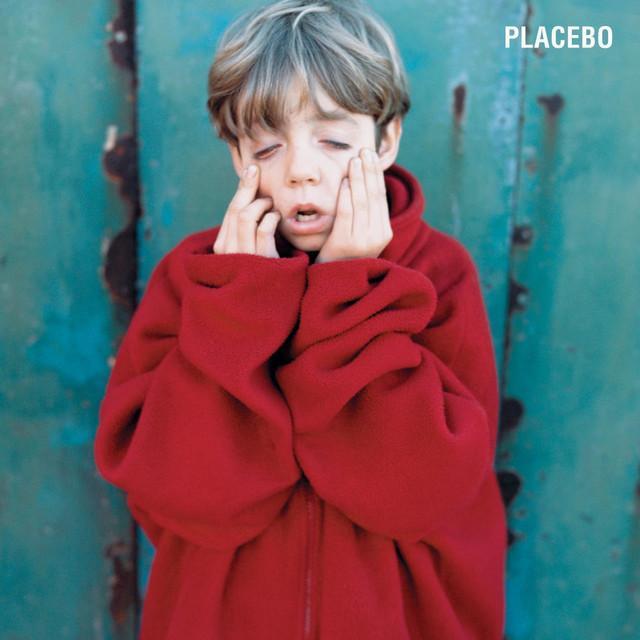
Placebo's debut album, Placebo, introduced the group's mix of glam, alt-rock, and sexual ambiguity, with Brian Molko, Stefan Olsdal, and Robert Schultzberg credited as writers on this track. That early context matters because the band's first era often treated attraction as performance, vulnerability, and self-erasure all at once.
The Heart of the Song Is Seduction With a Cost
At its core, the song seems to show someone overwhelmed by another person's power. The repeated apologies make the speaker sound awkward, complicit, or emotionally cornered. When the lyric returns to I apologize
, it does not feel polite. It feels defensive.
That matters because the song does not present intimacy as simple romance. Instead, it turns desire into a dazed state where people act out roles, copy attitudes, and lose control. The central figure, the so-called lady of the flowers
, is less a fully explained person than a force field.
Interpretation: They may represent an actual lover, but they may also stand for temptation itself: beautiful, artificial, and hard to escape.
Watch the official Lady of the Flowers
music video
A Narrator Lost in Mixed Signals
One of the most striking things in the lyrics is how the point of view keeps shifting around gender and power. The song moves between "he," "she," and "you," which makes the scene feel unstable. That fits Placebo's early writing, which often blurred identity rather than locking it down.
The result is a narrator who seems both inside and outside the encounter. They observe, but they are also trapped in it. When the song describes a hypnotic gaze
, it suggests more than attraction. It hints at surrender.
This helps explain why the lyrics feel dreamlike instead of narrative in a clean, linear way. The song is less interested in telling a tidy story than in recreating a state of mind.
The Images Turn Beauty Into Threat
The song's best images mix glamour with discomfort. The title promises softness and beauty, but the details quickly turn stranger. One of the sharpest examples is vacuum cleaner eyes
, a phrase that turns a seductive look into something consuming.
That image changes the emotional logic of the track. The "lady" is not just admired; they seem to absorb people around them. Attraction becomes a kind of drain.
Another key line about wearing tears openly suggests vulnerability on display. The song does not draw a clear line between manipulator and victim. Instead, it blurs those roles, showing someone who may be damaged and damaging at the same time.
She stole the keys to my house
And then she locked herself out
This is the song's clearest little scene. In plain terms, it describes chaos caused by someone reaching for control and failing to use it well. Interpretation: Symbolically, it may suggest emotional trespass, broken boundaries, or a relationship where neither person really knows how to connect.
What the Chorus Adds to the Meaning
The refrain stretches time: the encounter seemed endless, almost trance-like. By saying it lasted for hours or days, the song captures the way obsessive experiences distort reality. Desire does not move at normal speed here.
Then the chorus gives the title figure a glow that shifts from natural to synthetic. First there is the floral image, then later an electronic haze
. That change matters. It suggests beauty becoming artificial, or intimacy turning into numbness.
Interpretation: The song may be charting the collapse of a fantasy. What begins as enchantment ends as static.
How the Music Carries the Message
The production style reinforces all of this. Placebo's early sound leaned on sharp guitars, glam textures, and a slightly sleazy elegance rather than heavy aggression alone. In this song, that approach helps the lyrics feel seductive without ever becoming comfortable.
Molko's vocal delivery is especially important. They often sing in a way that sounds cool, wounded, and intimate at the same time. Here, that voice keeps the song balanced between irony and confession. The listener is never quite sure whether the narrator is mocking the scene, reliving it, or both.
The rhythm also helps create the sense of being caught in a loop. Instead of exploding into catharsis, the song circles its obsession. That repetition mirrors the emotional trap inside the lyrics.
Two Strong Readings of the Song
There are at least two convincing ways to hear the meaning of Lady of the Flowers Placebo:
- A toxic relationship sketch. The song depicts a lover who is captivating but destabilizing, leaving the narrator confused and exposed.
- A portrait of desire itself. The "lady" is a symbol of lust, glamour, or addictive fantasy that pulls people in and empties them out.
Both readings work because the lyrics are fragmented on purpose. Placebo often wrote characters as masks, and this song thrives on that uncertainty.
Why the Song Still Sticks
What makes the track memorable is not a clear plot but a clear feeling. It captures the moment when fascination stops being fun and starts becoming disorienting. That is why its surreal details linger.
For many listeners, the meaning of Lady of the Flowers Placebo is about the overlap between beauty, performance, and emotional risk. The song recognizes that the people who attract us most can also unsettle our sense of self.
That ambiguity is part of its power. This reading is an interpretation based on the lyrics, the band's style, and the song's sound, not a definitive statement of intent.







